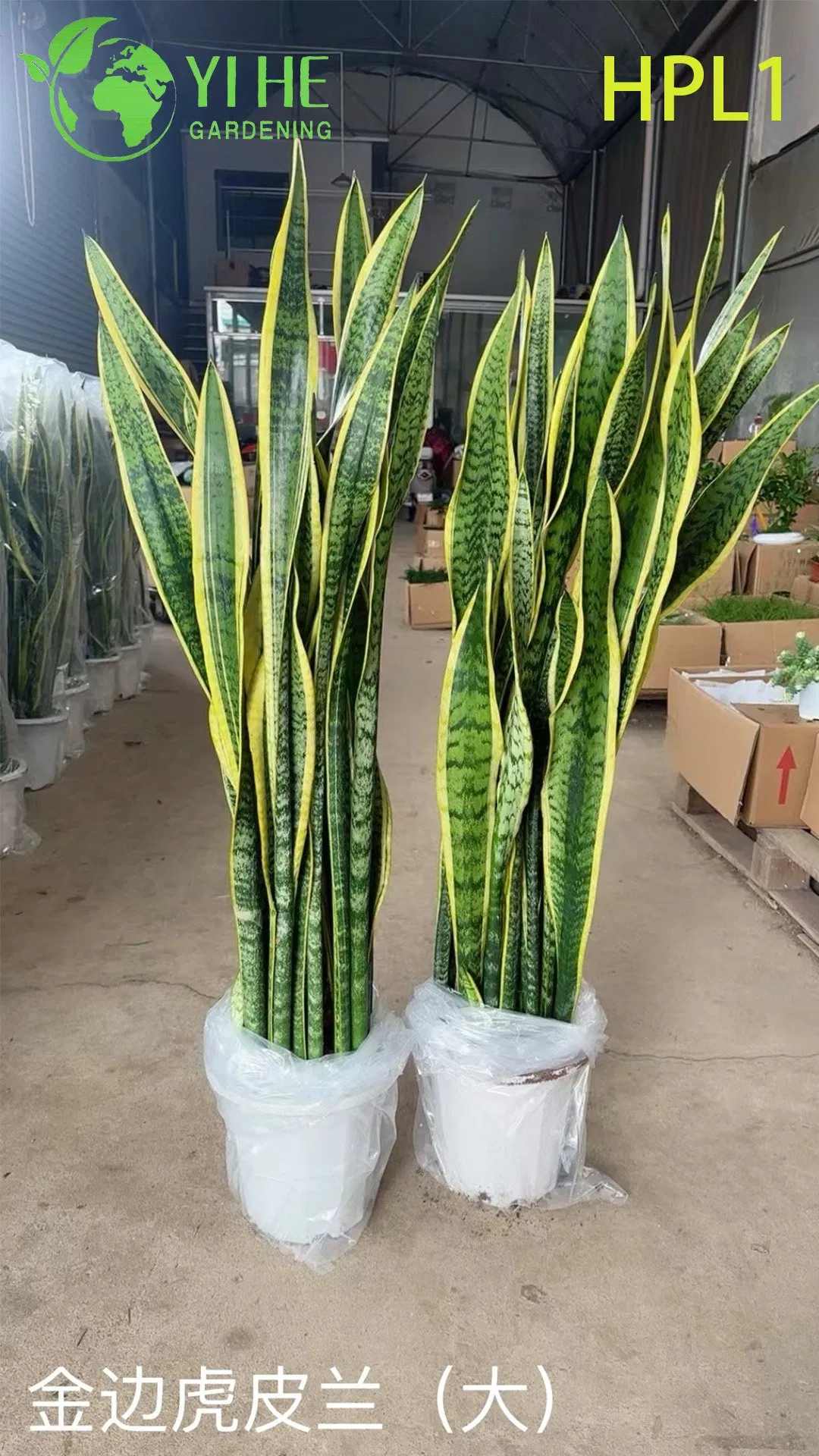
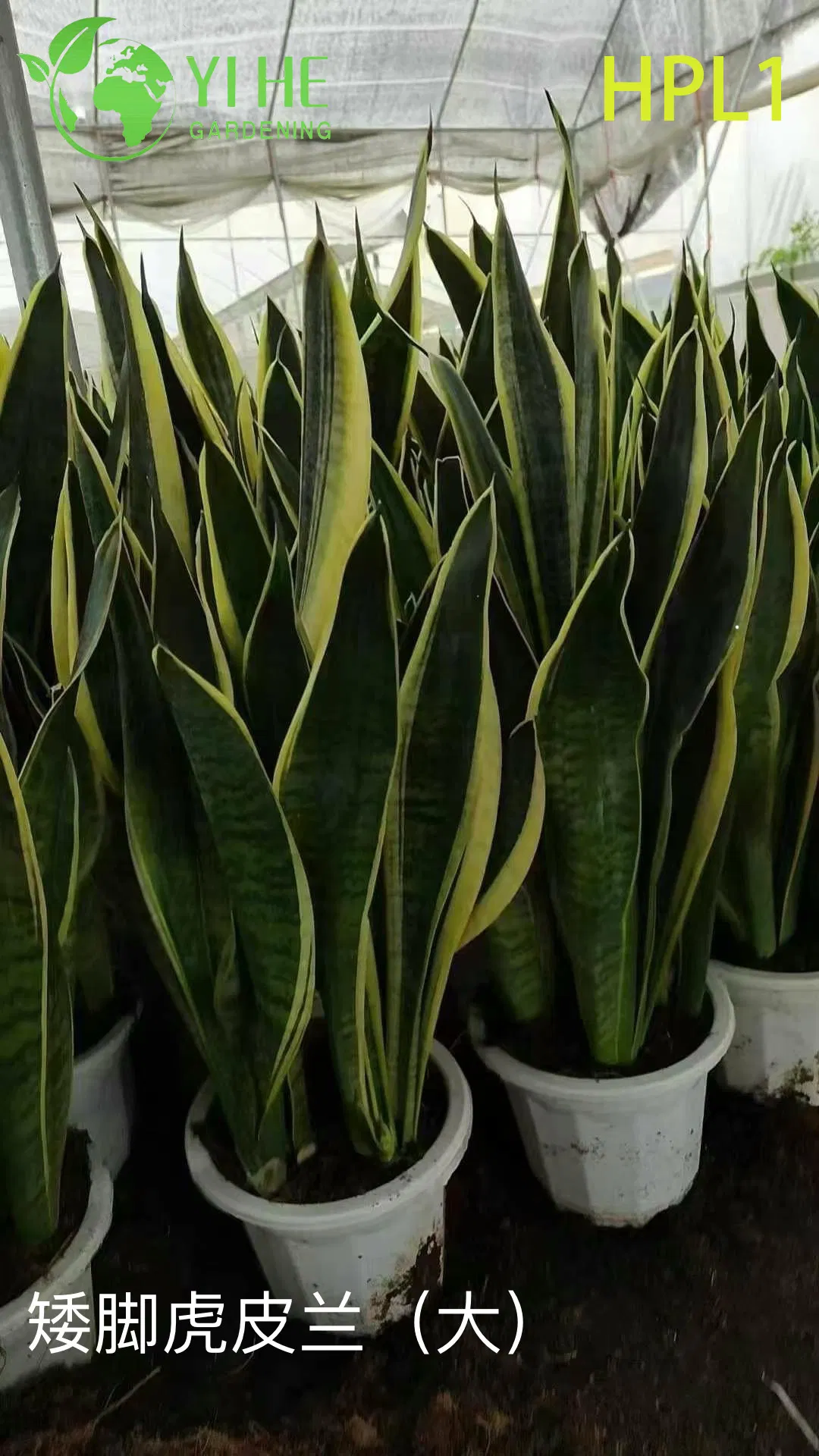
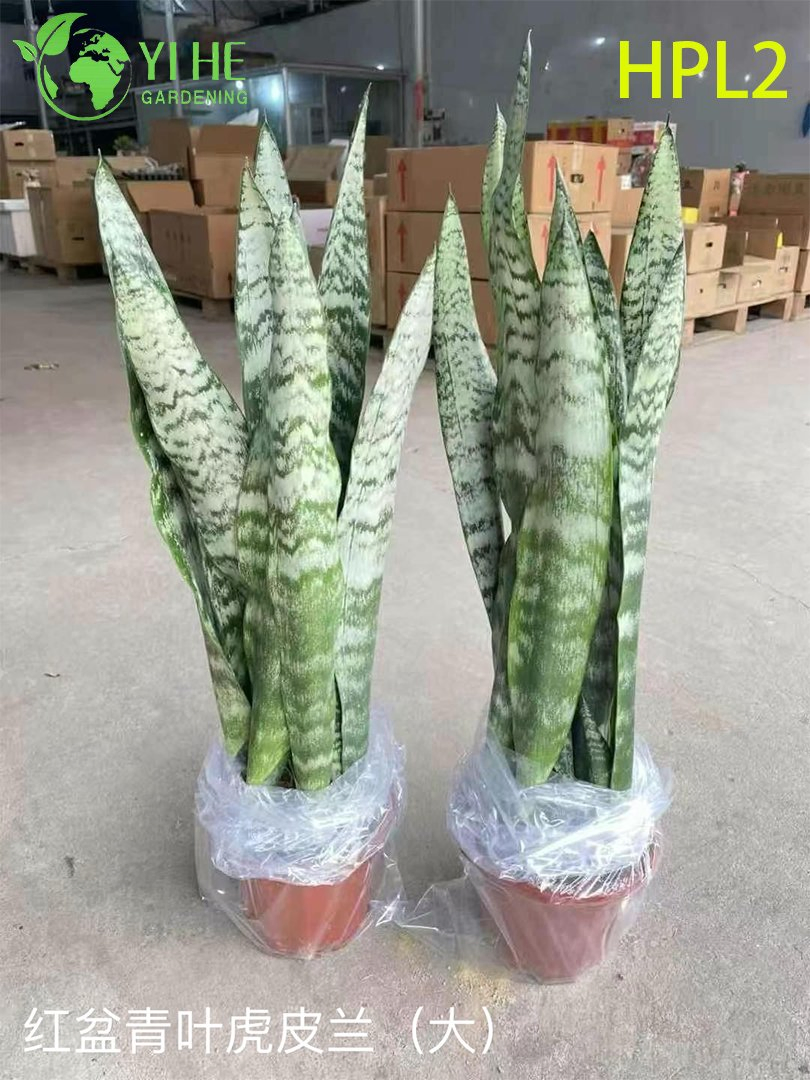
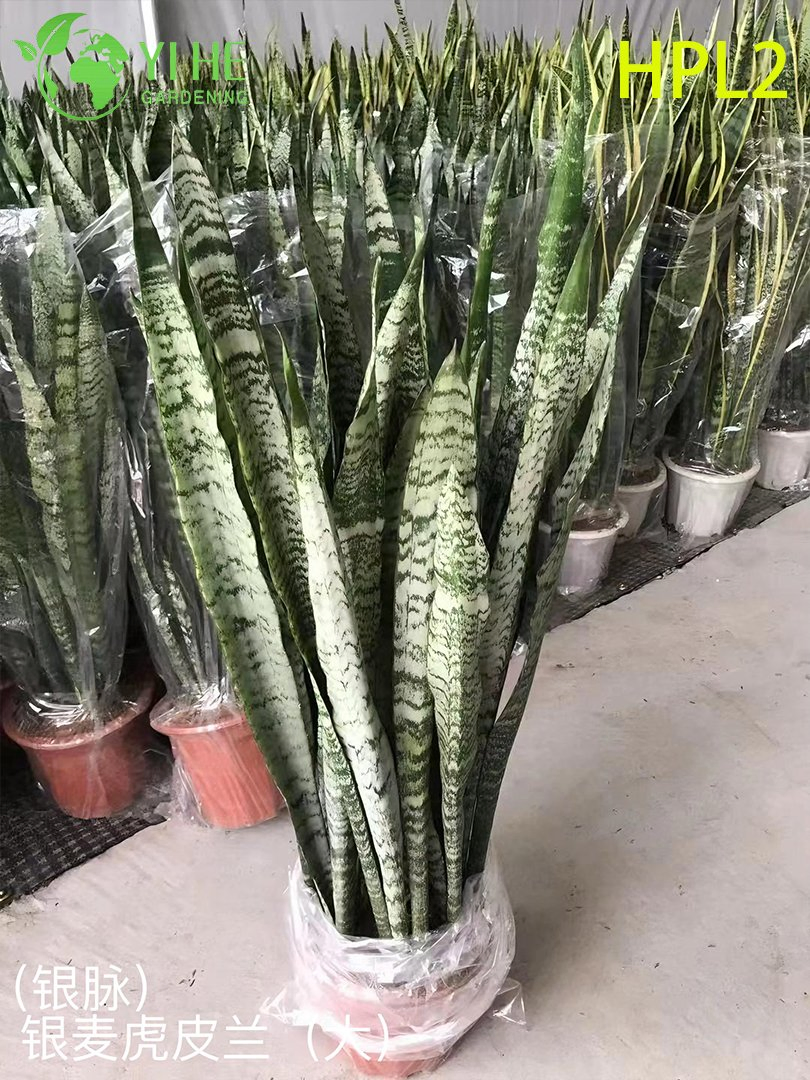
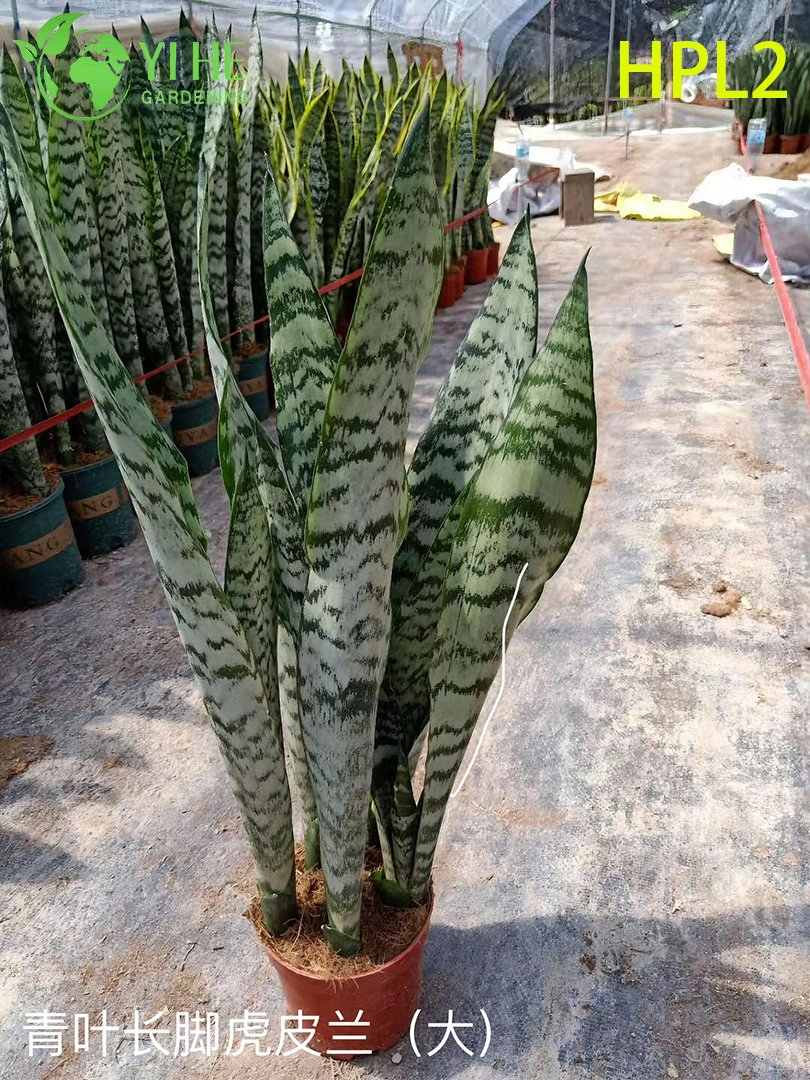
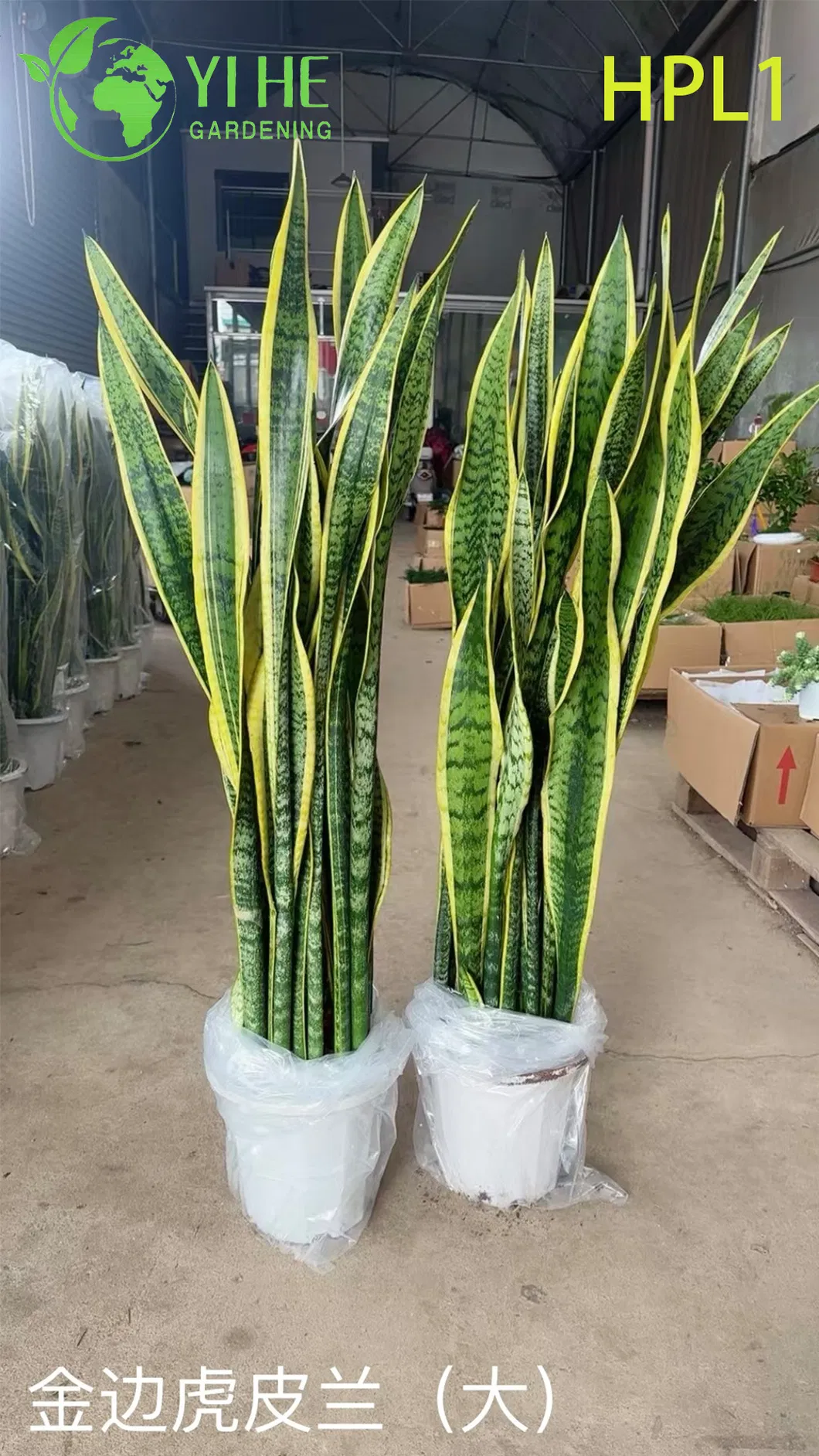
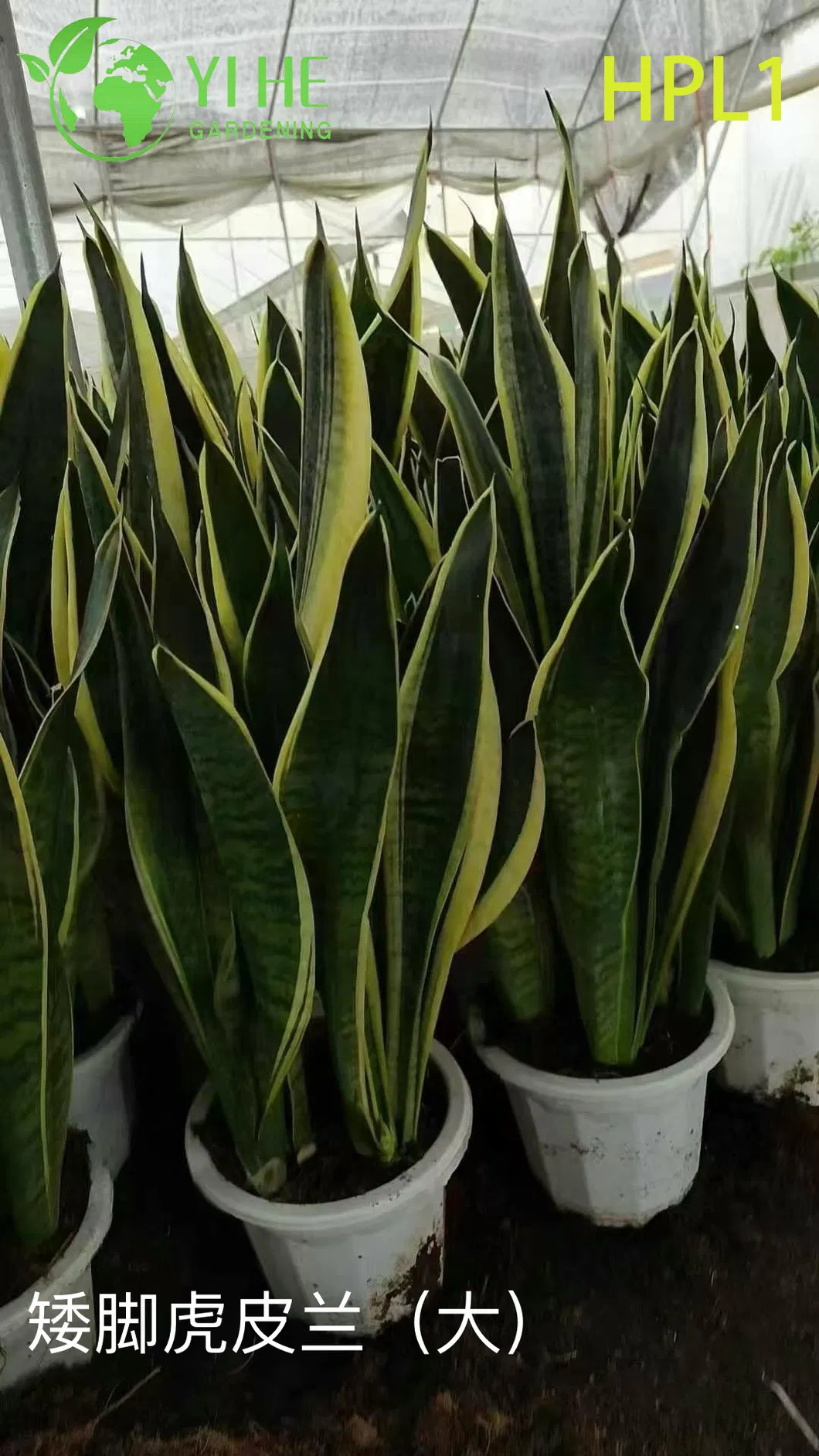
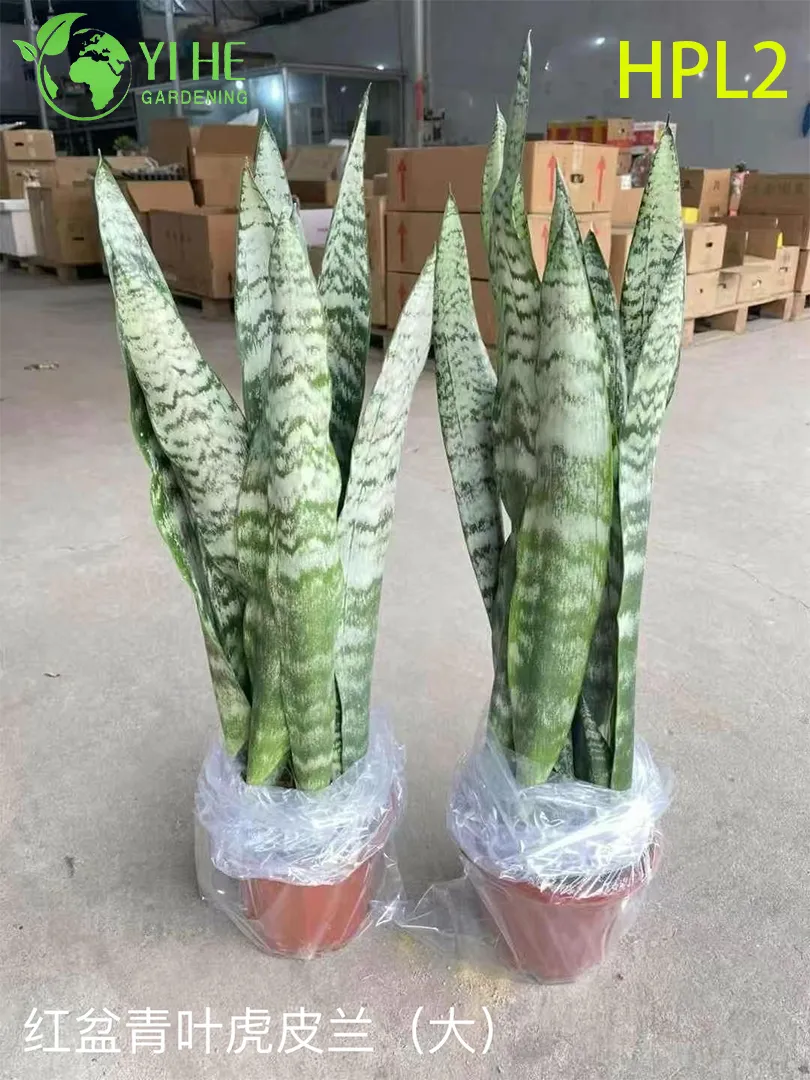
Origin & Historical Background
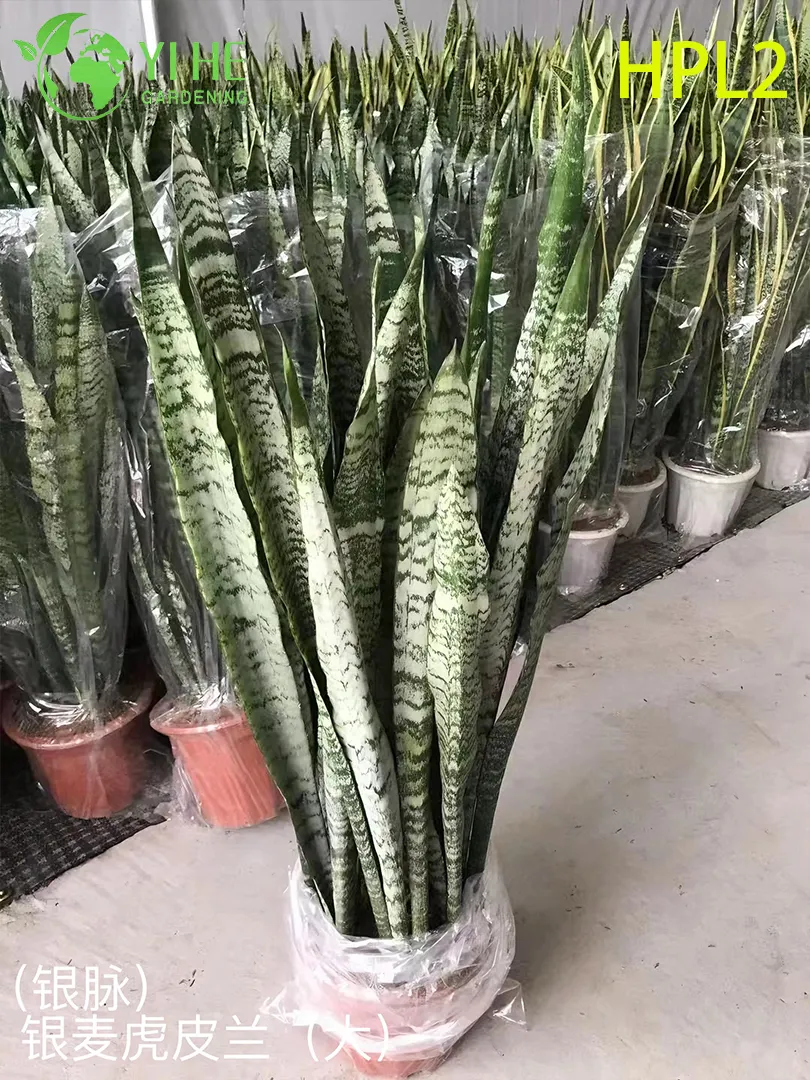
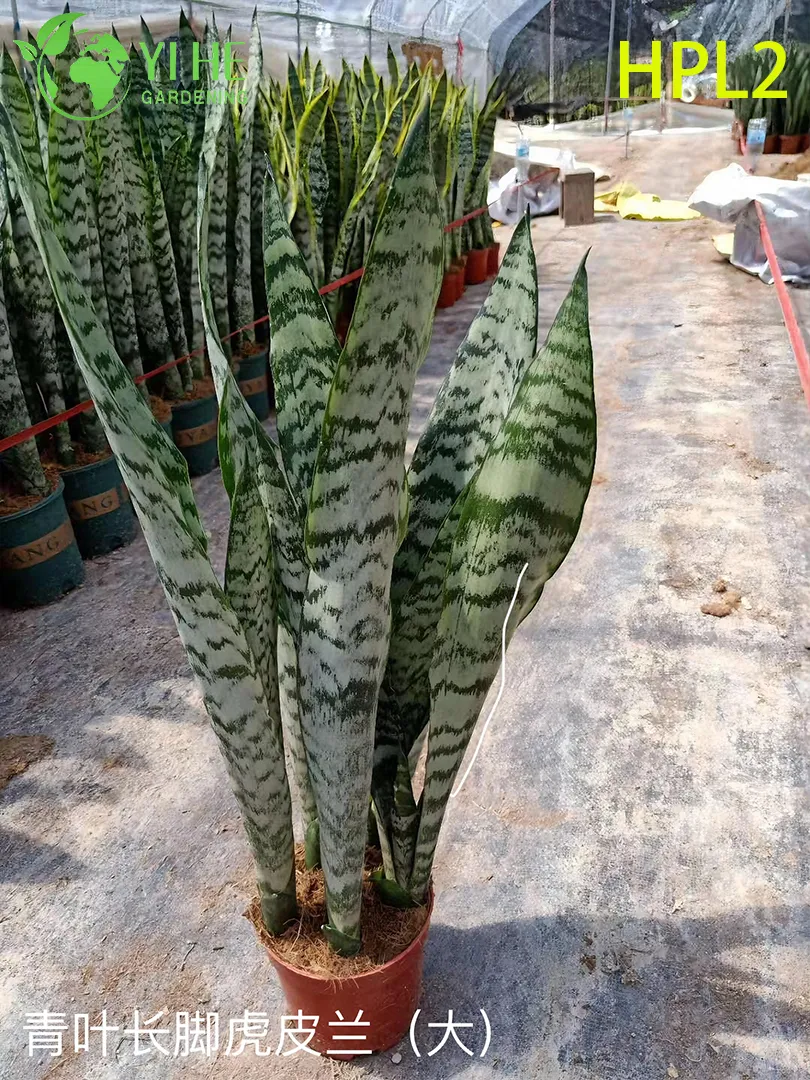
Native to the arid regions of West Africa, the Sansevieria trifasciata is a historically significant plant, valued for centuries not only for its beauty but also for the strong plant fibers derived from its leaves. This origin story is key to its resilience, as it has evolved to withstand drought and challenging conditions, making it the famously "hard-to-kill" houseplant we know today.
Health & Environmental Benefits
The Snake Plant is a powerhouse of environmental benefits. It is highly recommended for improving indoor air quality, a fact supported by the famous NASA Clean Air Study.
- Superior Air Purification: It actively filters common indoor toxins such as formaldehyde, benzene, xylene, and trichloroethylene from the atmosphere.
- Oxygen at Night: Uniquely, it converts CO2 into oxygen during the night (using CAM photosynthesis), making it an excellent plant for bedrooms to promote restful sleep.
Comprehensive Care Guide
- Light: Highly adaptable. Thrives in bright, indirect sunlight but is also exceptionally tolerant of low-light conditions.
- Watering: This is a drought-tolerant succulent. Water approximately bi-weekly (every 2-4 weeks), allowing the soil to dry out completely.
- Soil: Requires a well-draining potting mix, such as a cactus or succulent blend.
- Temperature & Humidity: Prefers warm conditions (18°C to 29°C / 65°F to 85°F). Standard household humidity is perfect.
Versatile Design & Decorative Uses
- Modern & Minimalist Decor: Its clean, architectural form complements contemporary design schemes.
- Natural Space Dividers: Can act as beautiful, natural partitions in open-plan spaces.
- Biophilic Design: Key element in creating "green buildings" that connect humans with nature.
Other Features & Advantages
- Extreme Durability: Resistant to most pests and diseases.
- Longevity: A single plant can live for many decades.
- All-Season Appeal: As an evergreen, it provides year-round beauty.
 Greene Home