As Cambodia transitions from an agrarian economy to a burgeoning industrial hub, the demand for water has reached critical levels. From the Special Economic Zones (SEZs) in Phnom Penh to the coastal developments in Sihanoukville, the pressure on the Mekong and Tonle Sap water systems is immense. For factories and suppliers, integrating water-saving techniques is no longer a "green luxury"—it is a operational necessity to mitigate seasonal drought risks and rising utility costs.
The Cambodian government’s National Strategic Development Plan (NSDP) increasingly emphasizes sustainable resource management. Factories that adopt advanced Chinese manufacturing efficiencies gain a significant competitive edge by reducing overhead and meeting international ESG (Environmental, Social, and Governance) standards required by global buyers in the garment, food processing, and chemical sectors.
Globally, the "Water-Energy-Food Nexus" is driving a technological revolution. Suppliers from Guangdong, China, have pioneered the integration of AI-driven irrigation and closed-loop industrial water recycling. These techniques are particularly suited for the Cambodia market due to their scalability and cost-effectiveness.
Guangdong Greene Home Co., Ltd. is a professional company dedicated to providing sustainable, eco-friendly solutions to meet the growing needs of our clients worldwide. Our team consists of five key factories supported by an elite group of professionals responsible for design, marketing, sales, logistics, and operations.
Environmental protection is at the heart of our mission. We are committed to applying degradable materials and plastic substitutes to ensure that our products maintain a sustainable and eco-friendly approach, reducing our environmental footprint. With a footprint in over 28 countries, we bring China’s leading-edge manufacturing speed directly to the Cambodian market.
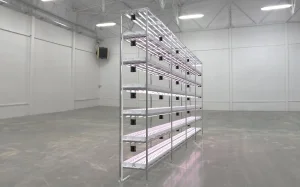
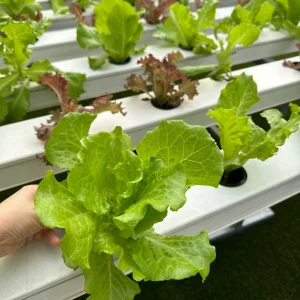
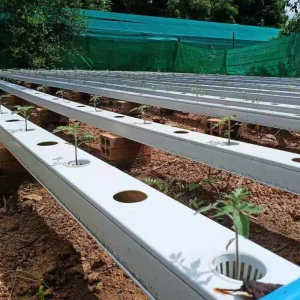
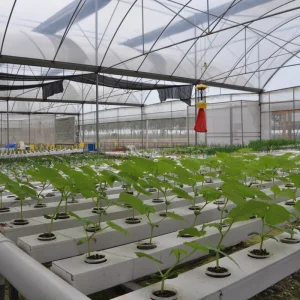
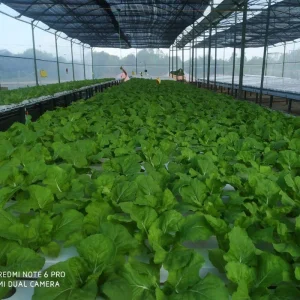
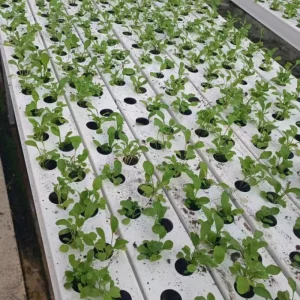
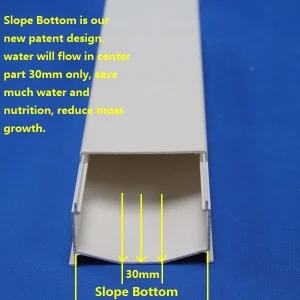
With rising urban land prices, our NFT Hydroponic Systems allow Cambodian entrepreneurs to produce high-yield vegetables in vertical formats, using only a fraction of the water required by traditional soil farming.
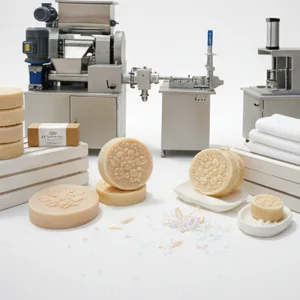
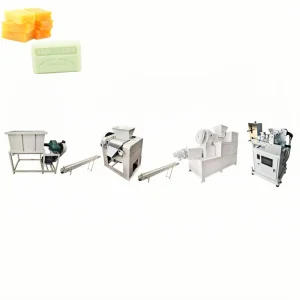
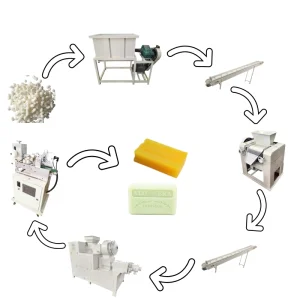
The garment and detergent industries are high-water users. Our Energy-Saving Soap Production Lines implement water recovery cycles that meet the strict environmental discharge permits required by Cambodian industrial zones.
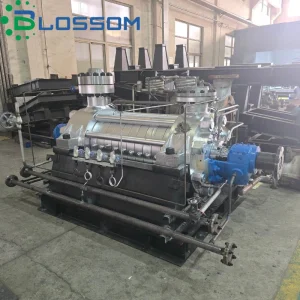
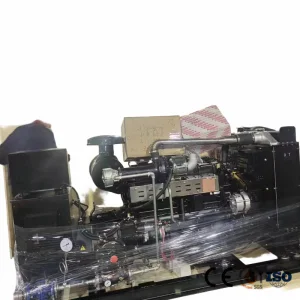
Using Fuel-Saving Natural Gas Generators combined with advanced pump techniques ensures that even remote agricultural projects in Battambang can maintain consistent irrigation without exorbitant fuel costs.
Cambodia faces significant water volatility during the dry season. Factories that do not implement water-saving techniques face production halts or increased costs for water trucking. Implementing efficient systems ensures year-round operational stability.
Chinese water-saving technologies, particularly from hubs like Guangdong, offer high durability and advanced AI integration at a price point that provides a much faster ROI for Cambodian SMEs compared to European counterparts.
Yes, our systems are specifically engineered with UV-resistant PVC and high-grade alloys to withstand the tropical humidity and heat of Southeast Asia, ensuring a lifespan of 10+ years.
By using our vacuum-based cooling and heat recovery modules, factories can reduce their total water intake by 35% to 50% compared to traditional open-loop cooling systems.
The next decade in the Cambodia market will be defined by Smart Water Management. Integration of IoT sensors into NFT systems and industrial pumps will allow factory managers to monitor water usage in real-time via mobile apps. Guangdong Greene Home Co., Ltd. is already at the forefront of this shift, incorporating smart sensors into our next generation of vertical farming and industrial soap lines.
By partnering with us, you are not just buying equipment; you are investing in a growth-oriented sustainability roadmap. Our core values of innovation, quality, and integrity ensure that every product we ship to Cambodia meets the highest standards of craftsmanship and environmental responsibility.
 Greene Home