Engineered to handle high-humidity marine climates, providing optimal contaminant adsorption and particulate filtration.
A global leader in ecological materials and high-efficiency IAQ infrastructure manufacturing.
São Tomé and Príncipe, an island nation situated in the Gulf of Guinea, presents a unique set of geographical and climatic factors that directly influence Indoor Air Quality (IAQ) parameters. The typical tropical wet-and-dry climate features consistently high relative humidity levels, frequently exceeding 80% to 90%. In coastal municipal centers like São Tomé and Neves, this atmospheric moisture is heavily laden with marine aerosolized salt particles (sodium chloride).
For commercial, hospitality, and residential architecture, this combination of high heat, moisture saturation, and saline exposure creates an aggressive microclimate. Uncontrolled moisture ingress accelerates microbiological growth—specifically molds (such as *Aspergillus* and *Penicillium* species) and fungi—within indoor building envelopes. When these biological agents release spores and mycotoxins, indoor occupants suffer elevated respiratory symptoms.
Furthermore, as the nation expands its tourism infrastructure through eco-resorts and boutique hotels, maintaining pristine indoor climates without excessive energy expenditure is a core engineering challenge. Traditional HVAC systems fail prematurely due to galvanic corrosion of cooling coils and high particulate loading of organic dust. Integrating highly stable, moisture-tolerant RTV silicone sealants, specialized HEPA filtration boxes, and desiccant-assisted air purification systems is critical to defending indoor air corridors.
The global indoor environmental control market has evolved past basic temperature regulation. Modern international frameworks, such as ASHRAE Standard 62.1/62.2 and European Norm EN 16798, regulate air exchange rates, gaseous VOC (Volatile Organic Compound) concentrations, and PM2.5 fractions.
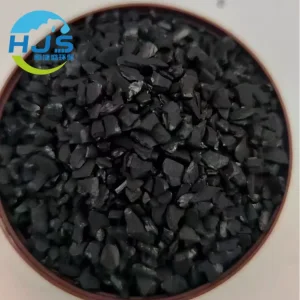
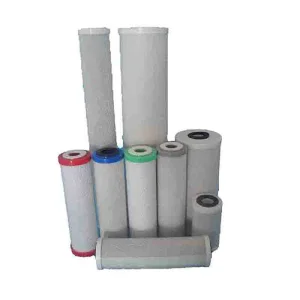
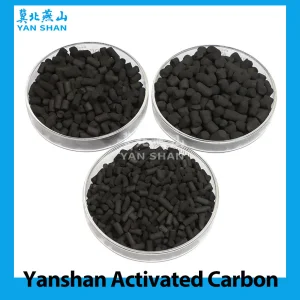
In industrial facilities globally, volatile organic compounds released by synthetic building materials, adhesives, and electronics generate "Sick Building Syndrome" (SBS). To capture these ultra-fine gases, physical adsorption systems using activated carbon are the global standard. Our honeycomb activated carbon offers a geometric configuration that minimizes static pressure drop while maximizing contact surface area per unit volume. This geometry is critical for reducing fan power consumption in HVAC units, directly addressing modern decarbonization requirements.
Guangdong Greene Home Co., Ltd. is a professional enterprise dedicated to providing sustainable, eco-friendly solutions to meet the growing needs of our clients worldwide. Our manufacturing core consists of five specialized factories, supported by an elite group of professionals responsible for engineering, marketing, logistics, and strict quality control. Environmental protection is at the heart of our mission. We apply degradable materials and plastic substitutes to ensure our products maintain a sustainable approach, reducing carbon footprints globally.
Thanks to the trust of our clients in 28 countries, we have experienced rapid growth and success. We actively seek partnerships with commercial entities, distributors, and engineering contractors in São Tomé and Príncipe who share our commitment to quality, efficiency, and ecological sustainability.

Guangdong Greene Home Co., Ltd. maintains a strategic cost-to-performance advantage by operating five dedicated manufacturing hubs. Each facility specializes in a distinct vertical of the IAQ ecosystem:
By eliminating intermediate supply chains, we ensure that bulk orders destined for São Tomé and Príncipe receive consistent quality, optimized container packaging, and competitive factory-direct pricing.
To maximize the utility of IAQ equipment in the archipelago, several high-priority deployment scenarios must be considered:
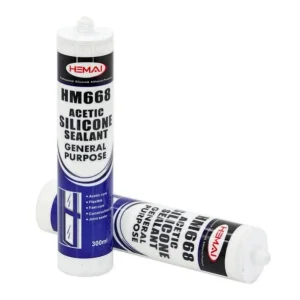
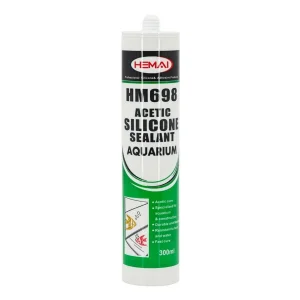
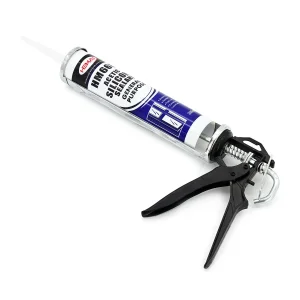
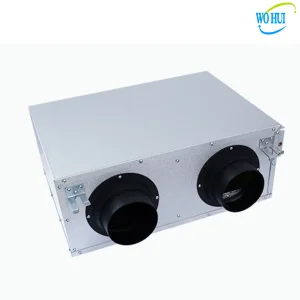
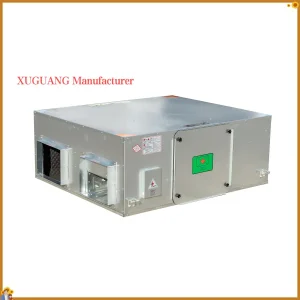
Tropical sea breezes introduce high humidity and salinity. By using our high-temperature, weatherproof RTV silicone sealants on structural glass facades, hotels can prevent moist air ingress. Pairing this with DC brushless ERV systems preserves indoor comfort while keeping energy consumption low.
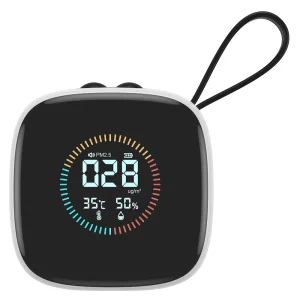
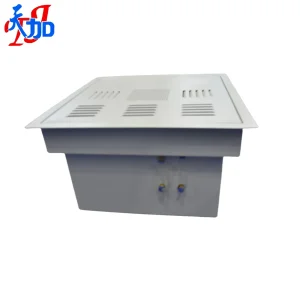
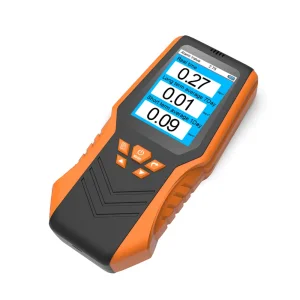
Clinical settings require strict airborne pollutant controls. Installing our Premium HEPA Air Filter Boxes prevents cross-contamination, while portable 3-in-1 monitors provide real-time assurance of ambient air conditions to healthcare personnel.
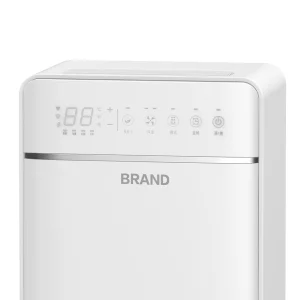
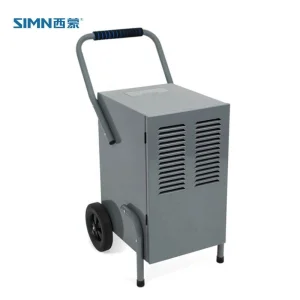
São Tomé’s premium organic cocoa and coffee beans require climate-controlled processing and warehouse environments. Excess moisture leads to mold growth on storage stocks. Implementing industrial desiccant dehumidifiers keeps humidity within safe margins, preserving product quality.
Enclosed meeting rooms suffer from carbon dioxide build-up and VOC accumulation. Using honeycomb activated carbon inside central air handling systems filters out odors and volatile compounds, improving occupant concentration and overall comfort.
The IAQ sector is moving toward smart, interconnected, and decarbonized operations. IoT-enabled sensors are now standard; they monitor particulate matter, humidity, and carbon dioxide levels in real time, automatically adjusting ventilation rates via variable speed DC brushless motors. This "demand-controlled ventilation" keeps systems from running at full capacity when buildings are unoccupied, lowering operational costs.
Material science is also shifting toward green chemistry. Traditional sealants that release formaldehyde or acid curing vapors are being replaced by neutral-cure RTV silicones that protect indoor health. Furthermore, there is growing interest in sustainable raw materials, such as bio-sourced carbon filters made from coconut shells, which align with circular economy goals.
Procuring industrial equipment for island economies requires careful logistical coordination. Guangdong Greene Home Co., Ltd. manages export documentation, sea freight optimization, and custom container loading. We verify that all shipments to São Tomé (typically routing via major regional transshipment hubs or direct sea freight) are securely packed in moisture-resistant, reinforced crates to prevent saline corrosion during transport.
We also support our distributors with comprehensive technical manuals, filtration load calculation sheets, and raw material safety datasheets (MSDS) to streamline local customs clearances and installation processes.
In-depth technical answers for engineers, architects, and procurement managers in São Tomé and Príncipe.
Explore our full line of sealants, sensors, purification filters, dehumidification, and ventilation systems.
Contact our project engineering team for detailed technical specifications, custom container logistics, and wholesale factory-direct pricing for São Tomé and Príncipe.
 Greene Home