Top Zero Waste Kitchen Habits You Should Adopt Today?

Time:2026-05-07 Author:Oliver
0%

In recent years, the concept of zero waste has gained momentum, especially in kitchens. What are zero-waste kitchen habits? Adopting these habits can lead to significant waste reduction and a lighter environmental footprint. According to the Food and Agriculture Organization, roughly one-third of all food produced globally is wasted. That’s about 1.3 billion tons annually. This staggering figure highlights the need for practical solutions in everyday life.

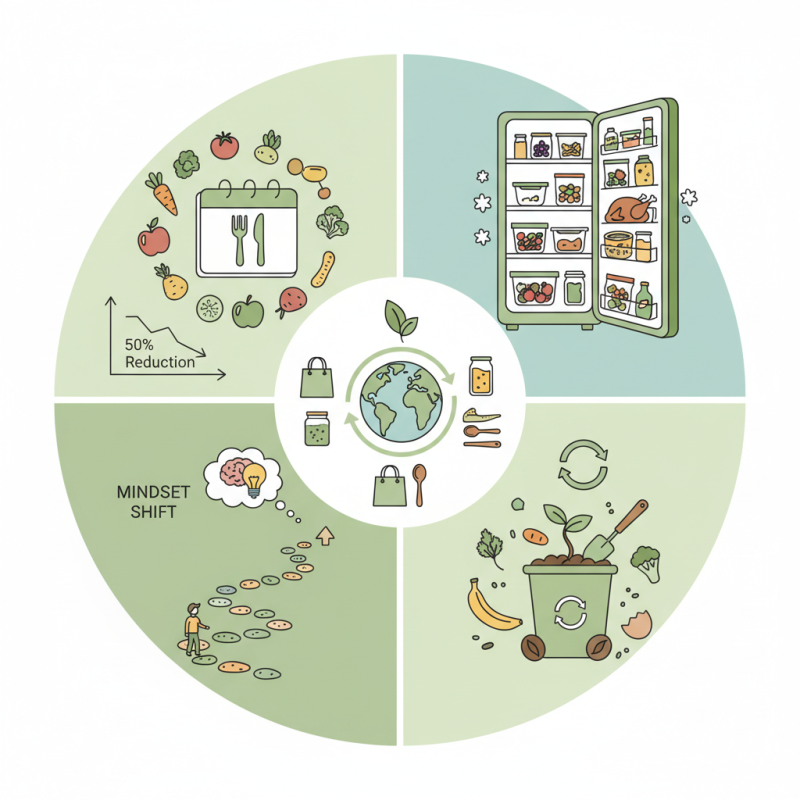
One effective strategy is to focus on meal planning. Studies indicate that households can reduce food waste by 50% simply by planning meals ahead of time. It not only prevents over-purchasing but also minimizes impulse buys. Incorporating food storage techniques, like freezing leftovers, is another habit that can help maintain food quality and extend shelf life. Though these strategies require dedication, the results can be truly rewarding.

However, not all practices are easy to adopt. Making changes can feel overwhelming, and some habits may seem impractical in our busy lives. Sustainable habits take time to develop, and it’s normal to stumble along the way. Embracing a zero-waste mindset involves continuous reflection and adjustment, pushing us to rethink our consumption patterns while fostering a healthier relationship with food.
Top Zero Waste Kitchen Habits You Should Adopt Today?

Basic Principles of Zero Waste Kitchen Habits

Embracing zero waste kitchen habits begins with a clear understanding of its basic principles. One key principle is to minimize single-use items. Swap plastic wrap for reusable beeswax wraps. This simple change can significantly reduce kitchen waste. Investing in glass containers or silicone bags adds to a sustainable journey while keeping food fresh.

Another important habit is mindful meal planning. This means creating a shopping list based on what you already have. It helps avoid overbuying and reduces food waste. Yet, even with a plan, leftovers can accumulate. Use them creatively in new dishes or freeze them for later.

Lastly, composting can be part of your routine. Learn which food scraps can be composted to enrich your garden soil. It’s rewarding but requires time and effort. Paying attention to how food is disposed of makes a difference. These practices may not be perfect initially, but every small step counts toward a more sustainable kitchen.

Top Zero Waste Kitchen Habits You Should Adopt Today

Habit Description Benefits
Meal Planning Organizing meals for the week to reduce food waste. Reduces impulse buying and ensures efficient use of ingredients.
Bulk Buying Purchasing staples in bulk to minimize packaging waste. Saves money and reduces plastic consumption.
Composting Turning organic waste into compost for gardening. Reduces landfill waste and enriches soil.
Reusable Containers Using glass or silicone containers instead of plastic wrap. Minimizes single-use plastics and is more durable.
Zero Waste Storage Storing food properly to extend its life and reduce spoilage. Decreases food waste and saves money.
Leftover Creativity Creating new meals from leftover ingredients. Encourages resourcefulness and reduces waste.

Essential Kitchen Tools for Reducing Waste

In a world increasingly aware of waste, essential kitchen tools can play a significant role in reducing your carbon footprint. Switching to reusable containers is an effective way to minimize single-use plastic. Opt for glass jars or stainless steel options to store food items. This not only helps you organize better but also keeps your food fresh longer.

Another key tool is a good quality chef's knife. A sharp knife allows for precise chopping, which reduces food wastage. When you can cut ingredients efficiently, you avoid tossing away imperfect pieces. Consider composting scraps instead of tossing them in the trash. This way, less waste goes to landfills.

Investing in cloth napkins and beeswax wraps can further lessen your waste. These alternatives replace paper products and plastic wraps. They require a bit more care, but the environmental benefits are worth it. Remember, adopting these habits may feel challenging at first, but every small step contributes to a larger goal. Be mindful of your choices and reassess often.

Meal Planning Strategies to Minimize Food Waste

Meal planning is a powerful way to minimize food waste in your kitchen. By carefully organizing your meals for the week, you can ensure that you're using all your groceries effectively. Start by checking what you already have in your pantry and fridge. This simple act can inspire new recipes and save your food from going bad.

Tips: List out meals that include these ingredients. Create a shopping list based on the meals you plan. This keeps you focused and helps prevent impulse purchases. Remember, leftovers can often transform into amazing new dishes. Don’t hesitate to get creative!

Another strategy is to batch cook. Preparing large portions at once can be time-efficient. You can store servings for later use, reducing the temptation to let food spoil. This technique does require some organization but can greatly cut down on food waste.

Tips: Use clear containers for storage. Label them with dates and contents. It’s a small step that helps you keep track of what you have. Embrace the process and be open to adjusting your plans as needed. Sometimes things don’t go as expected, and that’s okay. Just learn and adapt.

Top Zero Waste Kitchen Habits You Should Adopt Today

Creative Ways to Use Leftovers and Scraps

Using leftovers creatively can transform your kitchen habits. Many food scraps that often end up in the trash can be repurposed into delicious dishes. For instance, vegetable peels, stems, and tops can be blended into hearty soups or flavorful broths. Instead of discarding your carrot tops, consider making a bright, herbaceous pesto. This approach not only reduces waste but also adds unique flavors to your meals.

Another fantastic way to use leftovers is through a "clean the fridge" stir-fry. Gather any vegetables nearing their expiration date and sauté them with your choice of protein. The colors and textures create a visually appealing dish, and you can vary the seasonings to keep it interesting. Additionally, stale bread can be transformed into croutons or bread pudding, ensuring no food is wasted. Adopting these habits can require some thought, yet the satisfaction of minimizing waste feels rewarding as you reinvent your meals.

Eco-Friendly Storage Solutions for a Sustainable Kitchen

Creating an eco-friendly kitchen can start with choosing the right storage solutions. Many households rely on single-use plastics. This practice leads to around 300 million tons of plastic waste annually. Instead, consider glass jars. They are durable and perfect for storing grains, nuts, and snacks. Glass is also recyclable, reducing your environmental footprint.

Using beeswax wraps instead of plastic wrap is another viable option. A study published by the Journal of Cleaner Production found that these wraps can be reused for up to a year, drastically cutting down on waste. Moreover, finding airtight containers made from sustainable materials can elevate food preservation efforts. Look for bamboo or recycled materials that ensure both function and sustainability.

However, transitioning to zero waste isn't always straightforward. It requires effort and adjustment. Many people struggle to completely remove plastic from their kitchens. This is okay. Small, incremental changes can lead to a substantial impact over time. Start with one or two items and gradually integrate more sustainable solutions that fit your lifestyle. Embracing imperfection in this transition is part of the journey. Reflect on your habits and continuously strive for improvement.

FAQS

: How can meal planning help minimize food waste?

: Meal planning organizes your meals, ensuring all groceries are used effectively. It helps avoid spoilage.

What’s a good first step in meal planning?

Check your pantry and fridge. This can inspire new recipes and save food from going bad.

How can I creatively use leftovers?

Transform leftovers into new dishes, like soups or stir-fries. This approach reduces waste and adds flavor.

What should I do with vegetable scraps?

Use scraps in broths or pestos. This repurposing can create delicious meals while cutting waste.

How can batch cooking reduce food waste?

Preparing large portions saves time and prevents food spoilage. Store servings for later use to maximize your groceries.

What are some eco-friendly storage options?

Use glass jars, beeswax wraps, and airtight containers made from sustainable materials. This reduces plastic waste.

Is switching to sustainable storage easy?

It can be challenging. Small adjustments over time help. Focus on one or two changes initially.

How can I keep track of stored food?

Label clear containers with contents and dates. This habit keeps you aware of what you have.

What if my meal plans do not work out?

Adjust as needed. Embrace the learning process. Imperfection is part of improving your food habits.

How does using sustainable materials impact my kitchen?

Sustainable storage solutions lower your environmental footprint. They encourage a zero-waste lifestyle over time.

Conclusion

Adopting zero-waste kitchen habits is essential for reducing our environmental footprint and promoting sustainability in our daily lives. What are zero-waste kitchen habits? They include a set of practices designed to minimize waste generation in the kitchen, such as utilizing essential tools that help reduce, reuse, and recycle materials. Meal planning strategies play a crucial role in these habits, allowing individuals to purchase only what is necessary and prevent food waste.

Furthermore, being creative with leftovers and scraps can significantly contribute to a zero-waste approach by transforming them into delicious new meals. Lastly, employing eco-friendly storage solutions not only aids in preserving food but also enhances a sustainable kitchen environment. By implementing these habits, we can all contribute to a healthier planet while enjoying the benefits of a well-organized kitchen.

Oliver

Oliver

Oliver is a seasoned marketing professional with a wealth of expertise in driving brand awareness and engagement. With a deep understanding of our company's product offerings, he consistently delivers high-quality content that enriches our professional blog. His insights not only shed light on......