As the world faces urgent environmental challenges, understanding "why sustainable home practices matter" becomes critical. According to a report by the American Council for an Energy-Efficient Economy (ACEEE), efficient homes can reduce energy consumption by up to 30%. Such practices not only lower utility bills but also contribute to a healthier planet.
Many homeowners are unaware of the impact they can make. For instance, integrating renewable energy can cut a household's carbon footprint significantly. The National Renewable Energy Laboratory suggests that even small changes, like improving insulation, can yield substantial energy savings. Yet, many still overlook these simple solutions, reflecting a broader issue of awareness.
Moreover, studies show that sustainable homes often have higher resale values. A 2021 Zillow analysis revealed that homes with eco-friendly features sold for about 2% more than comparable ones. Despite this, many people hesitate to invest in these practices. Ignoring sustainability in home design is a missed opportunity for both personal benefit and environmental responsibility.
Understanding Sustainability in Home Practices
Sustainability in home practices extends beyond reducing waste. It integrates a holistic approach to improve our environment. According to the World Resources Institute, buildings account for nearly 40% of global greenhouse gas emissions. Implementing sustainable practices in our homes can significantly impact this statistic. Simple changes, like using energy-efficient appliances or enhancing insulation, can cut energy consumption by up to 30%.
Water conservation is another critical aspect. The U.S. Environmental Protection Agency (EPA) reports that the average American household uses about 300 gallons of water daily. By adopting low-flow fixtures and mindful consumption, we could reduce this by approximately 20%. However, many homeowners still overlook these simple adjustments.
Moreover, choosing sustainable materials can pose challenges. Not all "green" products are truly sustainable; verifying certifications can be tedious. A 2021 report by McKinsey highlighted that nearly 60% of consumers are unsure about the sustainability claims of home products. There is a gap between intention and action in making informed choices. As we strive for a greener future, continuous education is vital to bridge this divide.
The Environmental Impact of Sustainable Homes
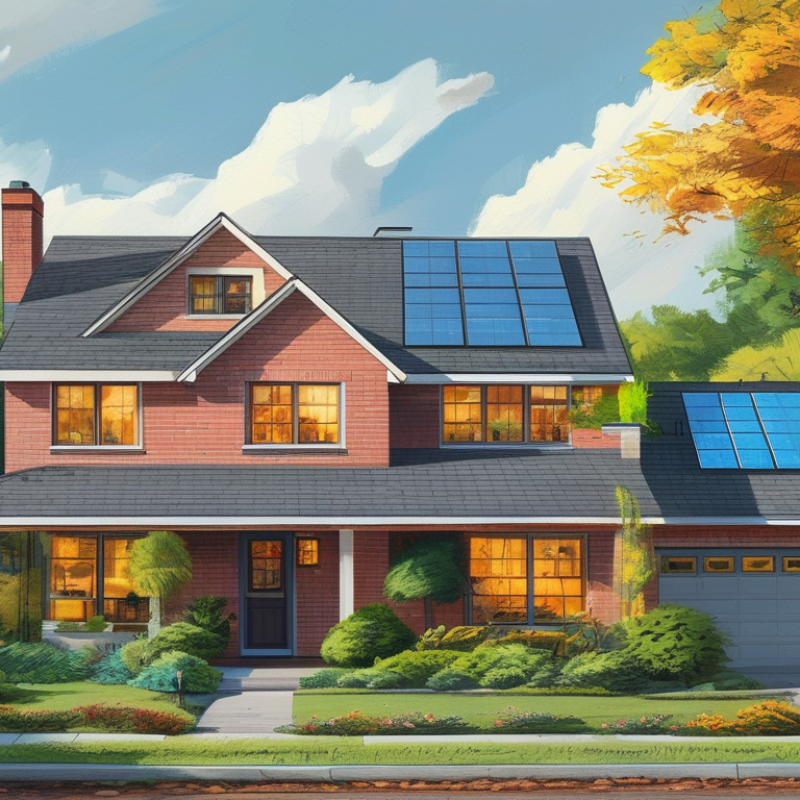
Sustainable home practices significantly reduce environmental impact. Every choice, from materials to energy use, shapes our planet's future. For instance, using renewable energy sources, like solar panels, minimizes reliance on fossil fuels. This transition helps decrease greenhouse gas emissions. Simple actions, like using LED bulbs, can lower energy consumption dramatically.
Water conservation is another vital aspect. Installing low-flow fixtures can reduce water waste in homes. Rainwater harvesting systems encourage homeowners to maximize natural resources. However, not everyone adopts these technologies. Some feel overwhelmed by initial costs or maintenance needs. This hesitation results in missed opportunities for environmental benefits.
Lastly, sustainable landscaping promotes biodiversity. Native plants require less water and support local ecosystems. However, homeowners may struggle with changing traditional garden aesthetics. Reflection on these practices can lead to a deeper understanding. Recognizing the long-term benefits will inspire more sustainable choices in daily life. Every small step counts in the fight for a healthier planet.
Top 10 Reasons Why Sustainable Home Practices Matter
| Reason |
Environmental Impact |
Cost Savings |
| 1. Reduces Carbon Footprint |
Decreases greenhouse gas emissions |
Lower energy bills |
| 2. Promotes Energy Efficiency |
Less energy consumption |
Reduced utility costs |
| 3. Conserves Water |
Preserves natural water sources |
Lower water bills |
| 4. Enhances Air Quality |
Reduces indoor pollutants |
Healthier living environment, potentially lower medical costs |
| 5. Supports Renewable Energy |
Utilizes solar, wind, etc. |
Long-term savings on energy expenses |
| 6. Reduces Waste |
Less landfill contributions |
Saves money on waste disposal |
| 7. Increases Property Value |
Attracts eco-conscious buyers |
Higher resale value |
| 8. Encourages Sustainable Communities |
Fosters a sense of community |
Shared resources can lower costs |
| 9. Protects Biodiversity |
Preserves local flora and fauna |
Maintains ecosystem services |
| 10. Promotes Sustainable Living |
Encourages conscious consumption |
Potential savings through smarter choices |
Economic Benefits of Adopting Sustainable Practices
Adopting sustainable home practices offers significant economic benefits. Implementing energy-efficient systems can drastically lower utility bills. For example, using smart thermostats may cut heating and cooling costs by up to 20%. When homeowners invest in insulation or window upgrades, they often see a return on investment. These upgrades can pay off within a few years.
Furthermore, sustainable practices can increase property value. Homes that prioritize eco-friendly features often attract buyers willing to pay more. Rainwater harvesting systems, solar panels, and native landscaping are appealing to many. This trend reflects a shift in buyer preferences toward greener living spaces. However, it's essential to note that not every sustainable choice leads to immediate financial gain.
Some homeowners might find upfront costs intimidating. While the long-term savings are substantial, the initial investment can be a barrier. It requires a shift in thinking and planning. Various incentives exist to aid this transition, yet awareness of these options is key. Ultimately, embracing sustainable practices can create a lasting impact on both finances and the environment.
Health and Wellness Advantages of Green Living
Green living is not just a trend; it significantly impacts our health and wellness. By adopting sustainable home practices, we can improve indoor air quality. This leads to fewer allergies and respiratory issues. Using natural materials can eliminate harmful chemicals found in many household products. Cleaning with vinegar and baking soda is safer and effective.
To create a healthier home environment, consider using plants as natural air purifiers. Spider plants and peace lilies are great options. They not only improve air quality but also enhance your mood. Incorporating green spaces can lead to better mental health.
It's essential to reduce waste as well. Composting kitchen scraps can reduce landfill contributions and provide rich nutrients for your garden. This practice encourages mindfulness and connection to nature. Remember that every small change counts. Adjusting your lifestyle takes time. Be patient with yourself as you transition to more sustainable choices.
Top 10 Reasons Why Sustainable Home Practices Matter
The Role of Community in Promoting Sustainable Homes
Community plays a pivotal role in promoting sustainable home practices.
Collaborative efforts foster awareness and knowledge sharing among residents. A local survey by the National Association of Realtors showed that 85% of communities prioritize sustainability initiatives in housing.
This strong community interest indicates a collective responsibility towards the environment.
Neighborhood programs that focus on energy efficiency can significantly reduce carbon footprints.
According to a report from the U.S. Green Building Council, homes built with community input often see a 30% increase in energy efficiency.
Engaging residents in workshops and discussions can enhance understanding of sustainable living techniques. However, raising awareness is not always straightforward.
Challenges remain. Some residents may resist changes due to cost or lack of information.
A study from the American Planning Association found that misinformation can hinder community engagement.
It's vital to address these concerns transparently. Without understanding the benefits, communities may struggle to embrace sustainable practices fully.
Progress is possible when barriers to information are lowered.
Conclusion
Sustainable home practices play a crucial role in promoting a healthier environment and enhancing the quality of life. Understanding sustainability in home practices reveals how these methods significantly reduce the ecological footprint, addressing the pressing issues of climate change and resource depletion. The economic benefits of adopting sustainable practices are evident, as they often lead to lower utility costs and increased property values, making them an attractive choice for homeowners.
Moreover, sustainable living contributes to health and wellness by improving indoor air quality and encouraging a greater connection with nature. Additionally, the role of community in promoting sustainable homes cannot be understated, as collective efforts can amplify the impact of individual practices. Overall, these points clarify why sustainable home practices matter, highlighting their importance not only for personal benefit but also for the well-being of future generations.

 Greene Home