In today's world, the quest for a greener home is more urgent than ever. As environmental concerns grow, more people are asking, "Why should I switch to biodegradable cleaning tools?" This critical question highlights the need for sustainable choices in our daily lives. Biodegradable cleaning tools offer a promising solution for reducing waste and protecting our planet.
Traditional cleaning products often contain harsh chemicals that harm the environment. By switching to biodegradable options, we not only minimize pollution but also contribute to a healthier home. Imagine using a cleaning tool that breaks down naturally, leaving no harmful residue behind. This small change can have a significant impact.
However, embracing biodegradable tools is not without its challenges. Some may wonder about their effectiveness compared to conventional methods. It’s essential to research and find products that deliver results while aligning with eco-friendly principles. Transitioning might require some trial and error, but the long-term benefits for our environment are worth the effort.
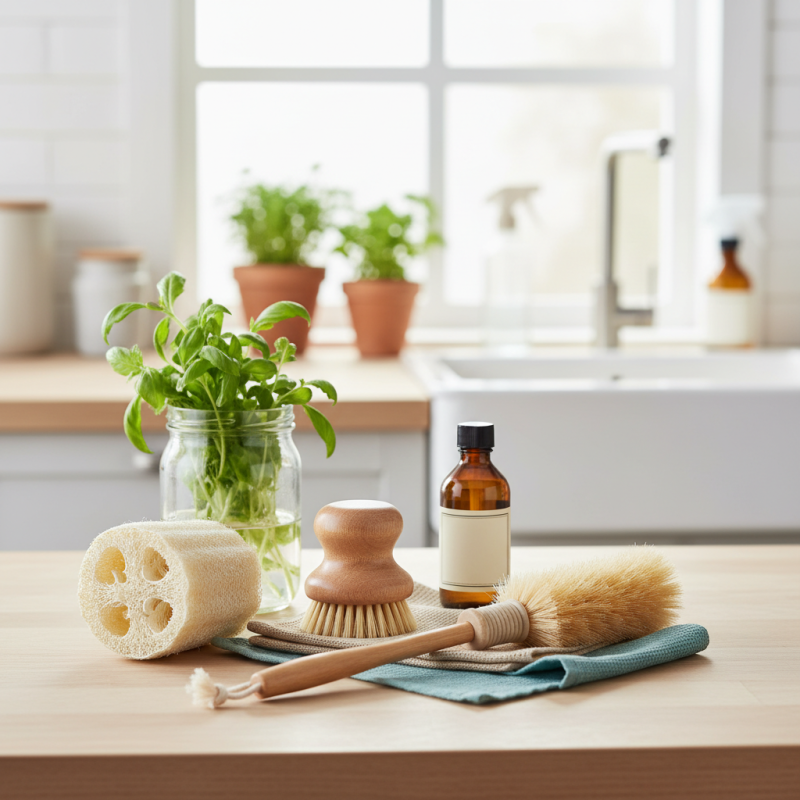
Biodegradable cleaning tools offer significant advantages for those seeking sustainable living. Using products made from natural materials reduces harmful waste. Conventional tools often contain plastics that persist in landfills for years. In contrast, biodegradable options decompose, returning nutrients to the earth. This transition supports healthier ecosystems and reduces pollution.
The impact of switching to biodegradable tools extends beyond personal benefits. Making this choice can inspire others. It may seem small, yet every bit helps in the fight against environmental degradation. Consumers can also feel a sense of responsibility toward the planet. However, finding effective biodegradable products can be challenging. Some may fall short in performance compared to traditional options. This gap encourages consumers to research and advocate for better choices.
Embracing biodegradable cleaning tools invites thoughtful reflection on consumption. It prompts questions about our habits and their environmental footprints. Every purchase shapes the world we live in. Like any significant change, this switch requires commitment and a willingness to adjust our routines. It signals a broader movement toward sustainable living. As we navigate these choices, we must remain aware of our impact.
Biodegradable materials are gaining attention for their potential benefits to the environment. Unlike conventional cleaning tools, biodegradable options break down naturally over time. This process reduces landfill waste and minimizes pollution. For instance, bamboo cleaning brushes and plant-based sponges decompose within months, leaving no harmful residues.
Switching to biodegradable products is not just beneficial; it’s necessary. Many traditional cleaning tools are manufactured using plastics that persist for centuries. They contribute significantly to ocean pollution and harm marine life. In contrast, biodegradable materials help close the loop of waste, promoting sustainability. However, not all biodegradable products are equal. Some might require specific conditions to decompose effectively, leading to misconceptions about their eco-friendliness.
Despite these advantages, the transition can be challenging. Eco-friendly options may have a higher upfront cost or limited availability. However, considering the long-term environmental impact is crucial. Every small change counts, and opting for biodegradable tools can forge a path towards a greener future. It's an ongoing journey, and reflection on our choices drives improvement in sustainable living.
When choosing cleaning tools, many people don't consider the environmental impact. Biodegradable cleaning tools offer a cleaner option for your home and the planet. Unlike conventional tools, which can take decades to decompose, biodegradable options break down in a few months under the right conditions. This rapid decomposition reduces landfill waste and lessens pollution.
Conventional cleaning tools are often made from plastic and chemical materials. These materials can leach harmful substances into the environment. In contrast, biodegradable options typically use natural fibers and plant-based materials, which are safer for both your home and nature. Their effectiveness may vary, and not every biodegradable tool performs at the same level as its conventional counterpart. While some users find them efficient, others may need to adapt their cleaning techniques.
The cost of biodegradable cleaning tools can be higher. However, the long-term benefits to the environment often outweigh the initial price. It’s worth experimenting with these alternatives to see what works best for you. Reflect on your choices; every small shift can contribute to a healthier ecosystem. It's a complex journey towards sustainability, but every little bit helps in making a greener home.
Transitioning to biodegradable cleaning tools can make a significant impact on your home and the environment. Start by assessing what you currently use. Take inventory of your sponges, brushes, and cloths. Most conventional cleaning tools are made from plastics that take centuries to decompose. This step can be overwhelming, but it is necessary. Understanding the materials you usually use is crucial.
Next, explore alternatives that are both effective and eco-friendly. Look for cleaning cloths made from organic cotton or bamboo. These materials break down naturally and are gentle on surfaces. Investigate sponge options made from loofah or recycled paper products. These are not only biodegradable but also compostable. It may take some effort to find the right brands and products, but this is part of the learning curve.
As you make these changes, reflect on your habits. Adjusting to new tools can feel inconvenient at first. Be patient with yourself during this transition. Track your progress and celebrate small victories. Each biodegradable tool adds to a greener home. Small changes can lead to a more sustainable lifestyle. Embrace the journey towards an eco-friendly cleaning routine.
When selecting biodegradable cleaning products, it's essential to consider your specific cleaning needs. Many products are designed for general use, while others target specific surfaces or issues. For instance, a study by the Environmental Protection Agency (EPA) indicates that around 70% of household cleaning products contain harmful chemicals. Choosing biodegradable alternatives can significantly reduce indoor air pollution and environmental harm.
For kitchen surfaces, look for biodegradable degreasers. These products contain plant-based enzymes that break down grease effectively. According to a report by the Green Cleaning Network, biodegradable kitchen cleaners can reduce environmental impact by up to 60%. In bathrooms, biodegradable disinfectants can kill germs without harmful residues. Many options are available that use natural essential oils for fragrance, avoiding synthetic chemicals that linger.
However, it’s important to remember that biodegradable doesn't always mean equally effective. Some products may not perform as expected on tough stains. Testing different brands is crucial. Pay attention to labels and reviews. Not all biodegradable products are created equal. Reflections on your cleaning routine may lead you to reconsider how often you clean and what products you use. This process can significantly impact your carbon footprint and your home’s safety.
: Biodegradable cleaning tools are made from natural materials that decompose naturally, reducing harmful waste.
They decrease landfill waste and minimize pollution, supporting healthier ecosystems over time.
Natural fibers and plant-based materials are commonly used, unlike conventional plastics.
Their effectiveness varies; some perform well, while others may require adjusted cleaning techniques.
The higher cost and limited availability can make the transition more difficult for some.
Under the right conditions, they can break down in a few months, unlike conventional tools that take decades.
Every purchase impacts the environment; mindful choices can lead to significant positive changes.
No, some may need specific conditions to decompose effectively, leading to misconceptions about eco-friendliness.
Yes, personal choices can influence others and foster a broader movement towards sustainable living.
No, it's an ongoing journey that requires commitment and awareness of one's environmental impact.
Switching to biodegradable cleaning tools offers numerous benefits for sustainable living. These eco-friendly alternatives are made from materials that break down naturally, reducing environmental impact and minimizing landfill waste. Understanding the characteristics of biodegradable materials helps consumers make informed choices, as they offer a cleaner and greener way to maintain a household without contributing to pollution.
When asking "Why should I switch to biodegradable cleaning tools?" one can consider the significant advantages they have over conventional options, such as lower toxicity and a reduced carbon footprint. To transition effectively, homeowners can start by identifying the right biodegradable products that meet their specific cleaning needs, ensuring a smooth shift towards a more environmentally responsible lifestyle.

Greene Home