Why switch to biodegradable cleaning tools for a greener future?

Time:2026-08-07 Author:Sienna
0%

As environmental concerns grow, many people ask, "Why should I switch to biodegradable cleaning tools?" Traditional cleaning products often harm our planet. They release toxic chemicals into the air and waterways, contributing to pollution and health issues. Biodegradable options break down naturally, posing less risk to the ecosystem.

When we choose eco-friendly tools, we reduce waste. These products are made from sustainable materials. They often perform just as well as their non-biodegradable counterparts. However, many still hesitate to make the switch. Some might find the initial cost discouraging. This is a valid concern. But investing in cleaner alternatives often leads to long-term savings and a healthier environment.

Transitioning to biodegradable cleaning tools reflects a commitment to sustainability. It encourages others to reconsider their choices, creating a ripple effect. Each small step can lead to substantial change. Embracing this shift isn’t just about cleaning; it's about creating a better future for our planet.
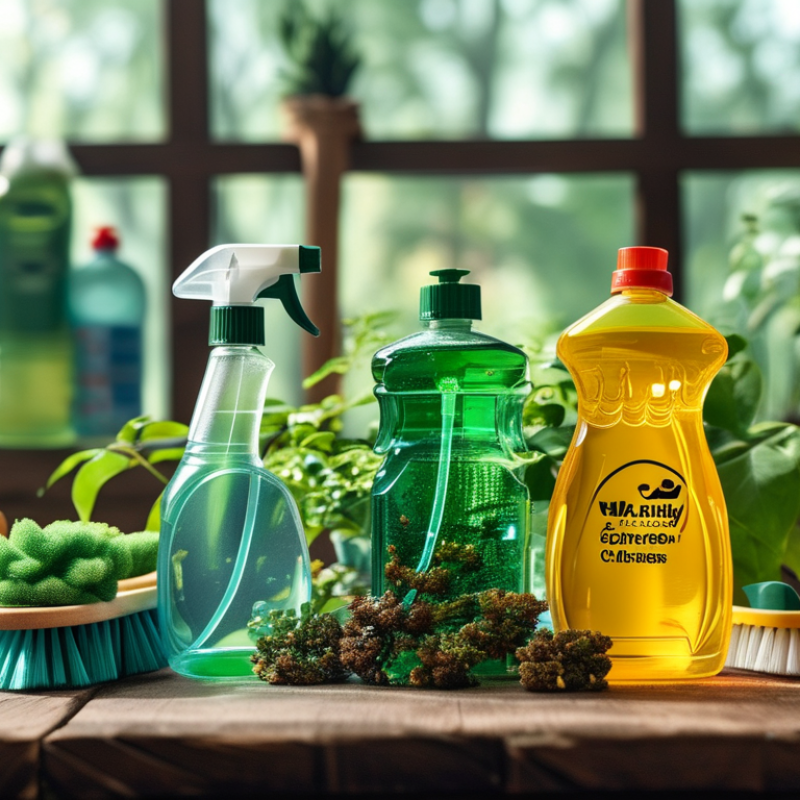
Why switch to biodegradable cleaning tools for a greener future?

Benefits of Biodegradable Cleaning Tools for the Environment

Biodegradable cleaning tools are becoming essential for a sustainable future. Traditional cleaning products contribute significantly to environmental degradation. Reports estimate that over 300 million tons of plastic are produced annually, with a considerable portion being cleaning tool packaging. This plastic can take up to 1,000 years to decompose.

Switching to biodegradable options helps combat this issue. These tools are designed to break down naturally in the environment. Studies indicate that using biodegradable materials can reduce landfill waste by approximately 80%. Furthermore, these products minimize toxic chemicals entering our ecosystems. A recent analysis showed that harmful cleaning agents in conventional tools have been linked to water pollution affecting marine life.

People often underestimate the impact of their choices. Biodegradable cleaning tools might cost more initially, but the long-term savings on environmental clean-up efforts are invaluable. Adopting these tools can transform our cleaning habits. A shift to biodegradable tools could lead to healthier homes and cleaner neighborhoods. Each small change contributes to a larger movement towards sustainability.

Benefits of Biodegradable Cleaning Tools for the Environment

The chart below illustrates the positive environmental impacts of switching to biodegradable cleaning tools compared to traditional non-biodegradable options.

Understanding the Impact of Traditional Cleaning Tools on Waste Pollution

Traditional cleaning tools often contribute to significant waste pollution. Plastic sponges, mop heads, and disposable wipes clog landfills, taking years to decompose. These items are convenient, but their environmental impact is severe. Studies show that millions of tons of plastic waste enters ecosystems annually. This pollution harms wildlife and disrupts natural habitats.

Transitioning to biodegradable options can mitigate this issue. Biodegradable cleaning tools break down naturally, reducing long-term waste. For example, tools made from plant-based materials or recycled components lessen our reliance on plastic. They often perform just as well as their conventional counterparts. However, some might question their durability or effectiveness. It’s essential to evaluate the trade-off between convenience and environmental responsibility.

Choosing biodegradable tools encourages sustainable practices. Educating yourself about the materials and their origins is crucial. This shift in habits may require patience and research. While the change may seem challenging, reflecting on our choices can lead to a greener future. Often, the journey towards sustainability begins with simple decisions in our cleaning routines.

How Biodegradable Materials Decompose and Reduce Environmental Harm

Biodegradable cleaning tools are an essential step towards a sustainable future. Unlike traditional plastic tools, biodegradable materials break down naturally over time. Research shows that biodegradable products can reduce landfill waste by up to 30%, minimizing the long-term environmental impact.

When biodegradable materials decompose, they return to the earth without releasing harmful chemicals. This process can take between six months to two years, depending on conditions. In contrast, plastic can last hundreds of years, polluting ecosystems and harming wildlife. For instance, a study by the United Nations Environment Programme reported that over 300 million tons of plastic waste are generated annually, enough to cover the entire surface of Switzerland.

Utilizing biodegradable cleaning tools not only lessens pollution but also helps cultivate sustainable habits. While the market is growing, challenges remain. Awareness and accessibility are critical. Consumers must be educated on the importance of choosing biodegradable options. As we strive for a greener future, the transition to these materials is a vital consideration for every household.

Why switch to biodegradable cleaning tools for a greener future?

Material Type Decomposition Time (Months) Environmental Impact Renewability Recycling Possibility
Bamboo 6-12 Low toxicity, reduces plastic waste Highly renewable Not recyclable
Cornstarch 3-6 Biodegradable, minimal environmental footprint Renewable with crop cycles Not recyclable
Recycled Plastic 100-1000 Reduces new plastic production Not renewable, dependent on recycling Fully recyclable
Wood Pulp 2-4 Biodegradable, sustainable sourcing Renewable Not typically recyclable
Hemp 3-6 Natural pest resistance, eco-friendly Highly renewable Not recyclable

Comparative Analysis: Biodegradable vs. Conventional Cleaning Supplies

Switching to biodegradable cleaning tools is a crucial step for a sustainable future. When we compare biodegradable products to conventional cleaning supplies, the differences are clear and significant. Biodegradable tools are made from natural materials. These materials break down into harmless substances. This reduces the amount of waste in landfills and lessens environmental impact. Conventional cleaning products often contain harsh chemicals. They can damage ecosystems and harm wildlife.

Cost is often a concern when switching to biodegradable options. While they may seem pricier upfront, the long-term benefits become apparent. Many biodegradable tools last just as long, requiring less frequent replacement. It's essential to reflect on our habits. Do we prioritize convenience over sustainability? The ease of using conventional products can be tempting, but we must consider their environmental toll.

Moreover, the effectiveness of biodegradable cleaning tools is improving. Innovations in formulation mean these products are now effective against grime and germs. Yet, some users still report a difference in cleaning power. This variability can lead to frustration, prompting a need for more consumer education. Understanding how to use these tools correctly can enhance their performance. Balancing effectiveness and environmental responsibility is vital. Choosing biodegradable products can lead to a cleaner planet, but it requires commitment and patience.

Practical Tips for Transitioning to Biodegradable Cleaning Products

Transitioning to biodegradable cleaning tools requires thoughtful planning. Start by assessing your current cleaning supplies. Identify items that are not eco-friendly or are single-use plastics. Replace these gradually with biodegradable options. Look for products made from natural materials like bamboo or biodegradable fibers. These alternatives break down more easily after disposal.

One practical tip is to DIY your cleaning solutions. Combine vinegar and baking soda for a powerful, natural cleaner. This approach not only minimizes plastic use but also saves money. Keep your homemade cleaners in reusable containers. This small shift can make a big impact over time.

Also, consider your cleaning habits. Sometimes we use more than we need. Try smaller amounts of products and see if they work. This reflection helps reduce waste. Each small step matters. Embracing biodegradable tools is a journey. It requires commitment and constant evaluation of your choices. Remember, every positive change contributes to a greener future.

FAQS

: What impact do traditional cleaning tools have on the environment?

: Traditional cleaning tools contribute significantly to waste pollution, particularly through non-decomposable plastic waste.

How long does plastic waste take to decompose?

Plastic waste can last hundreds of years in landfills, causing prolonged environmental harm.

What are biodegradable cleaning tools?

Biodegradable cleaning tools break down naturally within six months to two years, reducing landfill waste.

How much landfill waste can biodegradable products reduce?

Research indicates that biodegradable products can cut landfill waste by up to 30%.

Do biodegradable cleaning tools work as well as traditional tools?

Many biodegradable tools perform comparably to traditional cleaning tools, though concerns about durability exist.

Why is it important to choose biodegradable options?

Choosing biodegradable tools encourages sustainable practices and helps protect ecosystems from pollution.

What challenges exist when switching to biodegradable cleaning tools?

Awareness, accessibility, and personal habits can hinder the adoption of biodegradable cleaning options.

How do biodegradable materials benefit the soil?

When biodegradable materials decompose, they return nutrients to the earth without harmful chemicals.

What is a common hesitation consumers have about biodegradable products?

Consumers often question the durability or effectiveness of biodegradable options compared to conventional tools.

Conclusion

Switching to biodegradable cleaning tools is essential for fostering a greener future. Biodegradable cleaning tools offer numerous benefits for the environment, significantly reducing waste pollution when compared to traditional cleaning supplies. Traditional tools often contribute to long-lasting waste that harms ecosystems, while biodegradable materials naturally decompose, minimizing their environmental impact. By understanding these differences, individuals can make informed choices in their cleaning habits.

To effectively transition, it's important to recognize the comparative advantages of biodegradable options, such as their reduced carbon footprint and less harmful decomposition processes. Incorporating practical tips for switching, like gradually replacing conventional supplies and seeking eco-friendly alternatives, can facilitate this change. In conclusion, when asking, "Why should I switch to biodegradable cleaning tools," the answer lies in the potential for a healthier planet and sustainable living practices that benefit both consumers and the environment.

Sienna

Sienna

Sienna is a skilled marketing professional with a deep expertise in our company’s core products and services. With a passion for innovation and detail, she plays a pivotal role in crafting insightful blog posts that not only highlight the unique features of our offerings but also provide valuable......