The rising cost of energy has left many homeowners looking for ways to cut expenses. One effective strategy is investing in energy-efficient appliances. The question arises: why energy-efficient appliances save money? These devices are designed to use less energy while maintaining the same performance level as their traditional counterparts. This means lower utility bills over time.
Energy-efficient appliances often come with features that enhance their functionality. For example, smart thermostats can adjust heating and cooling based on your schedule. Additionally, Energy Star-rated washing machines consume significantly less water and electricity. The initial investment might be higher, but the long-term savings can be substantial.
However, not everyone might notice the savings immediately. Some may find that it takes time to see a return on investment. Reflecting on energy consumption habits can also be eye-opening. Small changes, like using appliances during off-peak hours, can further increase savings. Ultimately, understanding why energy-efficient appliances save money can empower consumers to make wiser choices for their homes and budgets.
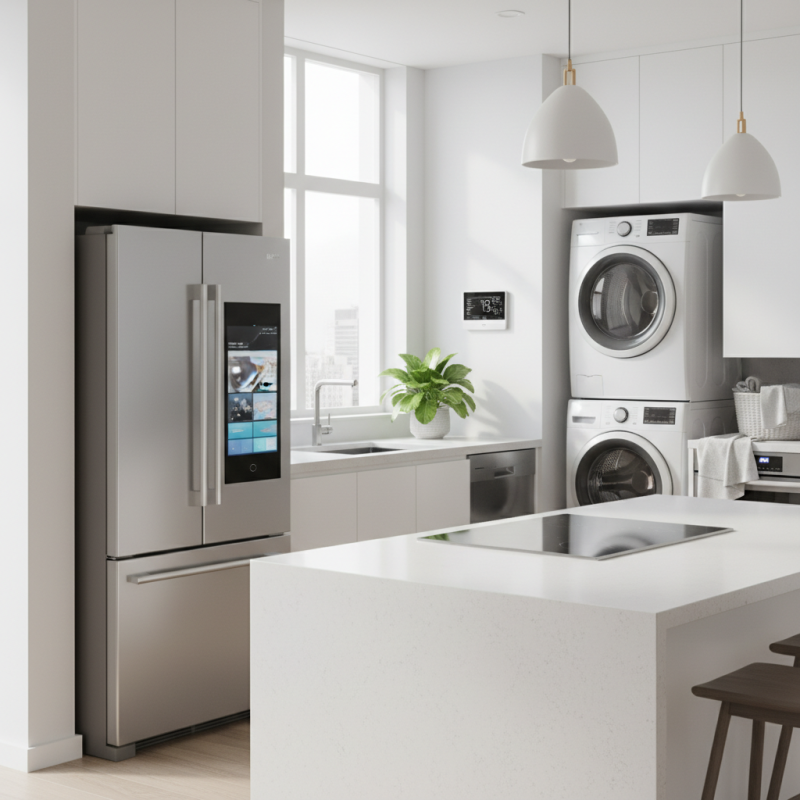
Energy-efficient appliances have gained widespread recognition for their ability to reduce utility bills and lower energy consumption. According to the U.S. Department of Energy, these appliances use at least 10% less energy than their standard counterparts. This reduction can lead to substantial savings over time. For instance, if a household replaces an old refrigerator with an energy-efficient model, it could save around $200 in energy costs over its lifetime.
Moreover, the positive environmental impact cannot be overlooked. The Energy Star program indicates that switching to energy-efficient appliances can reduce greenhouse gas emissions. A single energy-efficient washing machine can save approximately 3,000 gallons of water yearly. This is not just a cost-saving measure; it’s a step towards sustainable living. However, consumers must be aware that upfront costs may be higher. It's essential to calculate the long-term savings against initial investments.
The benefits of these appliances extend beyond mere savings. They often come with advanced features enhancing user experience. Real-time energy monitoring and smart technology integration are common. Yet, some consumers might find them complicated. It’s a balance between efficiency and ease of use. Thus, while the transition to energy-efficient appliances is encouraged, users should thoroughly assess their needs and evaluate potential trade-offs.
| Appliance Type | Energy Rating | Average Annual Energy Use (kWh) | Cost per Year ($) | Savings Compared to Standard Appliance ($) |
|---|---|---|---|---|
| Refrigerator | A+++ (High Efficiency) | 350 | 42 | 25 |
| Washing Machine | A++ (High Efficiency) | 150 | 18 | 10 |
| Dishwasher | A++ (High Efficiency) | 300 | 36 | 20 |
| Air Conditioner | A (Moderate Efficiency) | 1200 | 144 | 40 |
| Microwave Oven | B (Moderate Efficiency) | 100 | 12 | 5 |
: They can save homeowners up to 30%, averaging $400 annually.
Understanding ROI helps gauge long-term savings versus initial costs.
No, performance varies. Some models save more energy than others.
They use at least 10% less energy, potentially saving $300 annually.
Regular cleaning and using appliances correctly enhance energy efficiency.
Appliance usage patterns affect savings; some may benefit significantly, others may not.
Not necessarily. Some lower-cost models can be just as efficient.
Simple tasks like vacuuming fridge coils and washing with cold water.
Assess energy ratings and reviews to ensure the best choice.
Yes, but potential long-term savings can outweigh initial expenses.
Energy-efficient appliances are designed to use less energy while maintaining performance, which directly contributes to cost savings. By understanding their benefits, homeowners can make informed decisions about which energy-efficient appliances to incorporate into their homes. Key appliances such as refrigerators, washing machines, and HVAC systems are known for their potential to lower utility bills significantly.
To calculate the potential savings, one can consider the energy consumption of traditional versus energy-efficient options, which can result in substantial reductions over time. Moreover, maintaining these appliances can enhance their efficiency, prolonging their lifespan and further minimizing costs. Additionally, many governments offer incentives and rebates for energy efficiency upgrades, making it even more appealing. Ultimately, the question of "Why energy-efficient appliances save money" is answered by their reduced energy consumption, leading to lower monthly expenses and a smaller environmental footprint.

 Greene Home