In today's world, understanding how to recycle old cleaning materials safely is crucial for promoting eco-friendly living. Many households store unused cleaning supplies, which can be harmful if not disposed of correctly. While these products help maintain a clean environment, they often contain chemicals that can negatively impact our health and the planet.
Recycling these materials responsibly involves more than just tossing them in the trash. It requires knowledge of proper disposal methods and alternatives that minimize environmental damage. Some cleaning agents can be recycled through specialized programs, while others may need different handling. Many people overlook this aspect of sustainable living.
Reflecting on our habits can lead to better choices for both our homes and the environment. We should evaluate what cleaning materials we truly need and how we can better utilize them. This guide will explore practical steps and local resources to help you navigate this process. By learning how to recycle old cleaning materials safely, we contribute to a healthier ecosystem and inspire others to do the same.
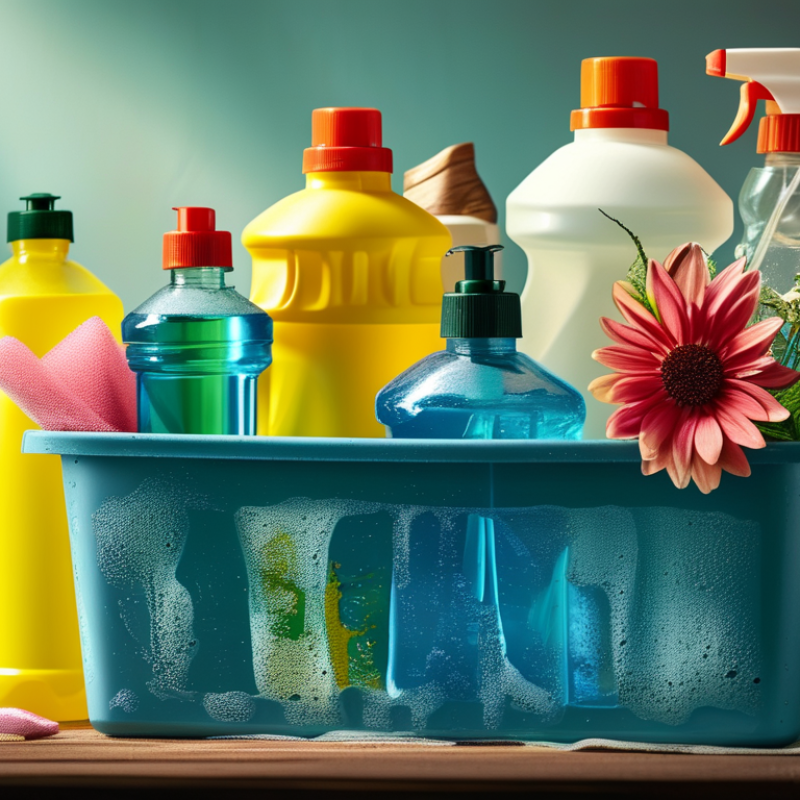
Recycling old cleaning materials plays a vital role in promoting eco-friendly living. Many households overlook the environmental impact of these items. According to the Environmental Protection Agency (EPA), about 3 million tons of hazardous household waste is generated annually. This includes cleaning products that can harm the environment if disposed of improperly.
Every year, a considerable amount of chemical cleaning agents enters landfills. These products can leach into soil and waterways, causing pollution. The American Chemical Society highlights that recycling can help prevent such adverse outcomes. Properly disposing of or recycling these materials minimizes their harmful effects.
While many homeowners intend to recycle, actual practices often fall short. A study revealed that only 15% of households actively recycle cleaning products. This underlines the need for greater awareness and education. Understanding how to recycle these items correctly can transform your cleaning habits. It's essential to check local guidelines for recyclable materials. Being informed is the first step toward safer recycling.
Cleaning materials come in various forms. They can be categorized into sprays, powders, and wipes. Each type of material has a unique recycling process. Identifying these categories is the first step towards eco-friendly living. For sprays, check if the container is metal or plastic. Many metal containers can be recycled, while plastic ones may require special handling.
Tips: Always read labels to identify recycling symbols. They provide essential information. Take time to rinse out containers before recycling. Residues can contaminate recycling streams.
Powdered cleaners often come in cardboard boxes. Cardboard is usually recyclable. However, if the box is coated or contaminated, it may not be accepted. Wipes and disposable cleaning rags present challenges. Many are not recyclable due to fabric blends or chemicals. Instead, consider repurposing these items, which can reduce waste.
Tips: Consider eco-friendly alternatives like reusable cloths. They are better for the environment. Check local regulations for specific recycling programs in your area. Knowing your community guidelines can make recycling easier.
When it comes to old cleaning products, safe handling and storage are crucial for eco-friendly living. Many cleaning materials contain hazardous substances that can pose risks if not managed properly. Always check labels for any safety warnings. Store these products in a cool, dry place, away from direct sunlight. This helps prevent chemical degradation and minimizes the risk of spills.
Use clear, labeled containers for storage. This practice reduces confusion and encourages safe handling. If a product leaks, clean it up immediately using gloves to protect your skin. Make sure to follow your local guidelines for disposing of hazardous materials. Unwanted cleaning supplies can often be recycled or taken to specific collection sites.
It is easy to overlook these guidelines. We may keep old cleaners out of habit, thinking they are still good to use. Over time, they can become ineffective or dangerous. Regularly review your cleaning supplies and discard anything that is expired or overly old. Remember, being mindful of how we store and handle these products benefits both our health and the environment.
Recycling old cleaning materials is vital for eco-friendly living. However, finding the right recycling centers can be challenging. Many local communities offer specific places for recycling various household items, including cleaning supplies. Start by checking your city’s waste management website. They often provide a list of approved recycling centers in your area.
Another good resource is community bulletin boards. Local libraries or community centers might have flyers or postings about recycling events. Some neighborhoods organize recycling days where residents can drop off materials safely. It's important to ensure the center can accept the items you want to recycle. Some centers specialize in hazardous materials, while others focus on general waste.
Consider making a phone call before visiting. Ask about specific materials they accept. Sometimes, well-intentioned recycling efforts lead to contamination, which can render recyclable items unusable. Remember, even small cleaning products can have a big impact. A little research goes a long way. Be mindful and responsible as you explore your recycling options.
Repurposing old cleaning materials is an excellent way to promote eco-friendly living. Many common household items can serve new purposes and reduce waste. For instance, old toothbrushes are perfect for scrubbing tile grout or getting into hard-to-reach areas. A study found that approximately 3.2 million tons of plastic waste is generated from cleaning product containers alone each year. Repurposing these materials can help lessen this burden on our environment.
Another creative idea involves reusing old cotton t-shirts as cleaning rags. Instead of buying disposable wipes, cut up t-shirts into smaller pieces. These reusable cloths can handle most cleaning tasks, from dusting to wiping surfaces. The Environmental Protection Agency estimates that using reusable materials can save households a significant amount on purchases and reduce landfill waste by 4 pounds per person per year. Every small effort counts toward cleaner streets and a healthier planet.
Lastly, consider turning spray bottles into plant misting devices or homemade pesticide dispensers. Rinse them thoroughly and refill with water or natural alternatives. However, ensure you label them properly. A misstep could lead to accidental contamination. Not every repurposing project goes perfectly. Learning from these attempts can lead to better, more meaningful uses in the future.
| Cleaning Material | Sustainable Recycling Method | Creative Repurposing Idea |
|---|---|---|
| Old Rags | Donate to local charities for reuse | Turn into dust cloths or mop covers |
| Empty Spray Bottles | Check for local recycling programs | Use for watering plants or homemade cleaners |
| Used Toothbrushes | Some programs accept for recycling | Great for scrubbing hard-to-reach areas |
| Old Sponges | Check for special bio-waste collection | Use in the garden for drainage or plant support |
| Chemical Cleaners | Take to hazardous waste disposal sites | Consider making non-toxic versions at home |
: Recycling helps prevent harmful chemicals from entering landfills and polluting our environment. It promotes eco-friendly living.
Only 15% of households recycle these materials, highlighting the need for better awareness and education.
Different types include sprays, powders, and wipes. Check container materials and local recycling guidelines for proper disposal.
Powdered cleaners usually come in cardboard boxes, which are recyclable unless contaminated. Clean packaging before recycling.
Many disposable wipes are not recyclable due to fabric blends and chemicals. Repurpose them when possible to reduce waste.
Use old toothbrushes for scrubbing or cut up t-shirts into rags. This can help minimize waste and save money.
Spray bottles can be reused for misting plants or homemade pesticides. Label them properly to avoid accidental misuse.
Reusable cloths reduce landfill waste by approximately 4 pounds per person per year. They also save money on disposable products.
Check local regulations for specific recycling programs. Knowing your community guidelines simplifies the recycling process.
Not every project may succeed. Reflecting on these attempts can lead to better ideas for future repurposing efforts.
Recycling old cleaning materials is crucial for promoting eco-friendly living and reducing waste. Understanding the importance of this practice encourages individuals to take responsibility for their environmental impact. It’s essential to identify the different types of cleaning materials suitable for recycling, which can range from bottles and containers to used cloths and sponges. Safe handling and proper storage are key steps to avoid hazards when dealing with these products.
To recycle old cleaning materials safely, one should first locate nearby recycling centers that accept such items. This often involves researching local facilities or community programs designed for safe disposal. Additionally, there are creative ways to repurpose old cleaning materials at home, transforming them into useful tools or DIY projects. By embracing these practices, individuals can contribute to a more sustainable lifestyle while effectively managing their household waste.

Greene Home