How to Reduce Plastic Use in Daily Home Care Tips and Tricks?

Time:2026-06-10 Author:Liam
0%

In today's world, many of us are becoming aware of the plastic crisis. We often wonder how to reduce plastic use in daily home care. The reality is that small changes can make a big difference. Each household contributes to plastic waste daily. Simple actions can lead to significant reductions.

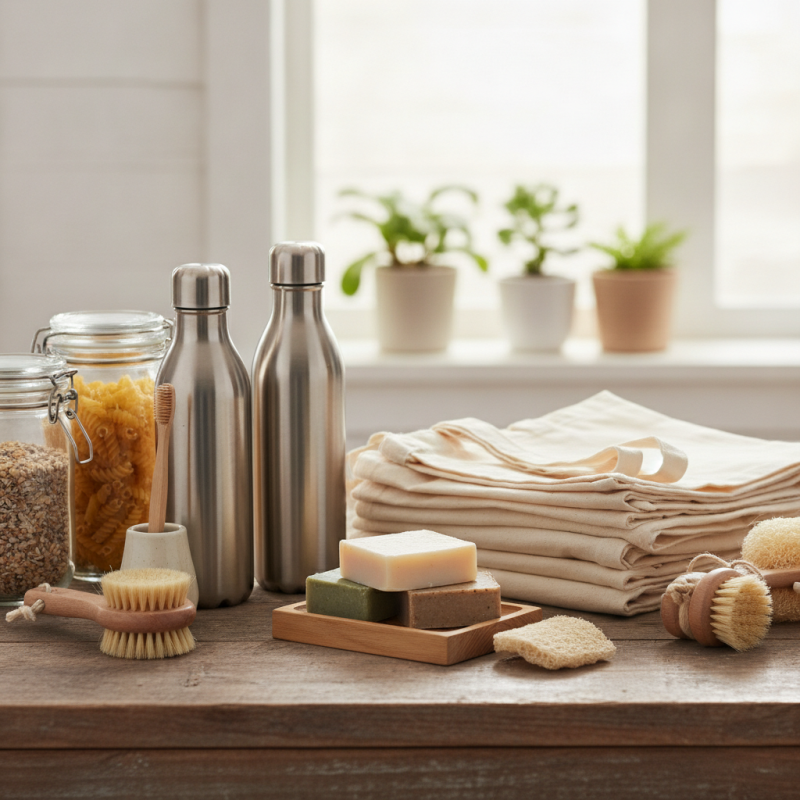
Using reusable bags is a small step. Swapping plastic bottles for stainless steel ones is another. Consider using bulk bins for groceries. This practice minimizes packaging waste. You can also choose bar soaps over liquid ones in plastic bottles. These choices not only reduce plastic but can also save money.

Reflecting on our habits is essential. We may not realize how often we reach for plastic. It's easy to overlook the impact of single-use items. By being mindful, we start to see alternatives. Staying informed about eco-friendly products can guide our decisions. With some commitment, we can transform our home care routines. Embracing these changes leads to a cleaner planet for future generations.
How to Reduce Plastic Use in Daily Home Care Tips and Tricks?

Understanding Plastic Waste in Home Care

Plastic waste is a significant concern in our homes. Approximately 300 million tons of plastic is produced each year, with a large portion ending up in landfills. In fact, the United Nations reports that only 9% of plastic waste is ever recycled. This inefficiency exacerbates the environmental crisis we face. Households contribute to this issue with everyday products, from cleaning supplies to personal care items.

Many common household items, such as plastics used for packaging, can be easily replaced. For example, using glass or stainless steel containers can drastically reduce single-use plastics. Studies indicate that approximately 77% of plastic in households is unnecessary. Transitioning to reusable materials can help mitigate this waste. A small shift, like switching to cloth towels instead of paper towels, can make a noticeable difference.

Despite our best efforts, achieving complete elimination of plastic is unrealistic. Some products still rely on plastic for safety and preservation. It's important to reflect on our usage and find balance. Reducing plastic waste does not have to be perfect; even small changes can lead to significant impact over time. Understanding our consumption patterns enables us to make informed decisions in our daily lives.

How to Reduce Plastic Use in Daily Home Care Tips and Tricks? - Understanding Plastic Waste in Home Care

Tip Description Impact on Plastic Use Frequency
Use Reusable Bags Opt for cloth or canvas bags instead of plastic bags for shopping. Reduces reliance on single-use plastics. Daily
Switch to Bar Soap Choose bar soap over liquid in plastic bottles. Minimizes plastic packaging waste. Daily
Buy in Bulk Purchase items in larger quantities to reduce packaging. Decreases the amount of plastic used in packaging. Weekly
Use Glass Containers Store food in glass instead of plastic containers. Helps reduce plastic storage options. Daily
Ditch Plastic Wrap Use beeswax wraps or reusable lids instead of plastic wrap. Reduces single-use plastic in food storage. Weekly
Choose Eco-friendly Cleaning Products Select cleaning products with minimal plastic packaging. Lowers plastic waste from cleaning supplies. Monthly

Identifying Common Sources of Plastic in Daily Routines

Plastic has woven itself into our daily lives, often without us realizing it. Everyday items such as food containers, shopping bags, and cleaning products commonly use plastic. Many people may overlook this during their routines. Identifying these sources is the first step towards a more sustainable lifestyle. Most food items come in plastic packaging. Consider transferring food into glass containers right after purchase, reducing plastic waste significantly.


Household cleaning products also contribute to the plastic problem. Many come in plastic bottles, which can create long-lasting waste. Opting for bulk or concentrated products can minimize this. It’s possible to create homemade cleaners using vinegar and baking soda. This not only cuts down on plastic use but is also often safer for the home environment.


We often find it easy to ignore the plastic in our lives. Small changes can feel overwhelming, but each effort counts. Try to keep reusable bags in your car or by the door. Reflecting on our daily habits can lead to better choices over time. Recognizing plastic's presence is critical. People have the power to make changes, even if they start small.

Practical Alternatives to Plastic Products for Home Care

Plastic products dominate our daily lives, but practical alternatives exist. For cleaning, explore glass spray bottles. They last longer and reduce plastic waste. Use natural ingredients like vinegar and baking soda for effective cleaning solutions, minimizing reliance on packaged products.

In the kitchen, opt for beeswax wraps instead of plastic wrap. They are reusable and keep food fresh without harming the environment. Cloth bags are excellent substitutes for plastic bags. They are durable and can be used for shopping or storing items. Many people overlook these simple switches; they can significantly lower plastic consumption.

Personal care is another area to address. Choose bamboo toothbrushes that biodegrade over time. Stainless steel razors also reduce plastic waste while providing a close shave. Reflecting on our habits can reveal areas for improvement. Little changes can lead to a more sustainable lifestyle.

Effective Strategies for Reducing Plastic Use during Cleaning

Reducing plastic use in daily home care can feel overwhelming, but small changes make a big impact. Adopting reusable cleaning tools is a great starting point. For instance, swap disposable paper towels for cloth rags or old t-shirts. These can be washed and reused. This reduces waste and is often more effective for cleaning.

Another effective strategy is to make your own cleaning products. Many common ingredients, like vinegar and baking soda, can clean effectively without plastic packaging. Mixing these ingredients in a reusable spray bottle is simple. You’ll avoid plastic waste and save money. Just remember to label your bottles clearly to avoid confusion.

It's important to reflect on your habits. Do you grab plastic products out of convenience? Can you challenge yourself to try alternatives? Engage your family in discussions about reducing plastic. Together, you can hold each other accountable. Small actions accumulate over time. Aim for progress, not perfection.

Tips for Encouraging a Plastic-Free Lifestyle at Home

Embracing a plastic-free lifestyle at home can be challenging yet rewarding. Start by assessing your daily habits. Identify items you routinely buy that come packaged in plastic. Replace plastic wrap with beeswax wraps or glass food storage containers. Opt for bar soap instead of liquid soap in plastic bottles. These small swaps can significantly reduce plastic waste over time.

Creating a supportive environment is vital. Encourage family members to join this journey. Have discussions about the impact of plastic pollution. Make shopping trips a fun family activity. Bring reusable bags and reward kids for using them. Set a goal to reduce plastic use together. Celebrate achievements, no matter how small. It's about progress, not perfection.

Reevaluate your choices regularly. You may find old habits creeping back in. Keep your kitchen organized and stocked with alternatives, like cloth bags and jars. Remember, change doesn’t happen overnight. A plastic-free lifestyle takes commitment and creativity. Celebrate each step toward a greener home.

Reduction of Plastic Use in Daily Home Care

FAQS

: What are some alternatives to plastic for cleaning?

: Glass spray bottles are durable and reduce plastic waste. Natural ingredients like vinegar and baking soda work well too.

How can I store food without using plastic wrap?

Beeswax wraps are a great choice. They are reusable and keep food fresh while being eco-friendly.

What can I use instead of plastic bags for shopping?

Cloth bags can replace plastic bags. They are sturdy and suitable for shopping or item storage.

How can I improve my personal care routine to reduce plastic?

Use bamboo toothbrushes and stainless steel razors. They biodegrade and help lower plastic waste significantly.

How can I encourage my family to reduce plastic use?

Have open discussions about plastic pollution. Make shopping a fun event and reward kids for using reusable bags.

What should I do if I revert to old plastic habits?

Regularly reevaluate your choices. Keep your kitchen stocked with alternatives and remind yourself of your goals.

How long does it take to transition to a plastic-free lifestyle?

Change doesn’t happen overnight. It takes time and creativity, but every small step counts toward sustainability.

Is perfection the goal in reducing plastic use?

No, it's about progress, not perfection. Celebrate each small achievement in reducing plastic consumption.

Conclusion

In the quest to understand how to reduce plastic use in daily home care, it's essential to first recognize the significant sources of plastic waste within our routines. Common items such as cleaning bottles, disposable utensils, and plastic packaging contribute heavily to this issue. By identifying these sources, we can make informed decisions to minimize our plastic footprint.

Practical alternatives to conventional plastic products are available, including using glass or stainless steel containers, opting for biodegradable cleaning supplies, and embracing reusable cloths instead of disposable ones. Effective strategies for reducing plastic use during cleaning include DIY cleaning solutions made from natural ingredients and adopting sustainable habits, such as buying in bulk and prioritizing products with minimal packaging. Encouraging a plastic-free lifestyle at home not only benefits the environment but also fosters healthier living spaces, making it a worthwhile endeavor for every household.

Liam

Liam

Liam is a dedicated marketing professional with a profound expertise in the industry, where he excels at highlighting the unique advantages of our core products. With a keen understanding of market trends and consumer needs, Liam frequently updates our company’s professional blog, providing......