The quest for a sustainable kitchen has become more pressing than ever. According to a report by the Food and Agriculture Organization, roughly one-third of food produced globally is wasted. This staggering statistic highlights the urgent need for change. Organizing a zero-waste kitchen can significantly reduce waste and promote sustainable living.
When considering how to organize a zero-waste kitchen, it's crucial to understand the role of mindful consumption. The Environmental Protection Agency states that the average American produces over 4 pounds of waste daily. However, a well-organized kitchen can streamline food storage and preparation, cutting down waste considerably. Utilize reusable containers and bulk buying to minimize packaging and make conscious choices about what to bring into your home.
Reflecting on our habits can reveal gaps in our zero-waste intentions. We often overlook leftovers or let perishable items spoil. A functional layout and a clear system can help address these issues. Ultimately, mastering how to organize a zero-waste kitchen is about creating a sustainable space that reflects our commitment to the planet.
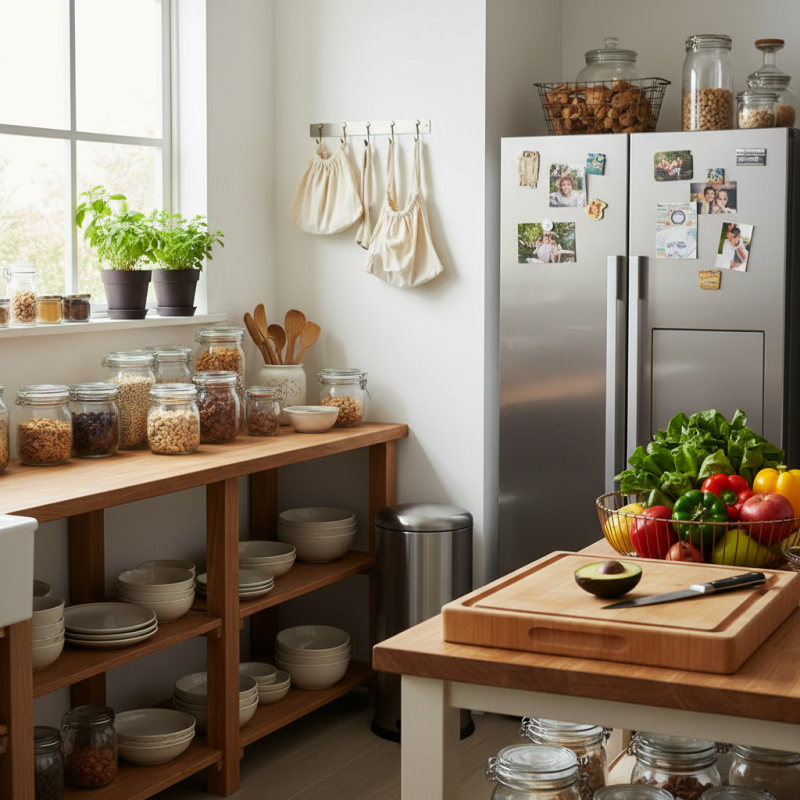
Zero waste living in the kitchen emphasizes reduction, reuse, and recycling. Studies show that a significant portion of household waste comes from the kitchen. According to the Environmental Protection Agency (EPA), food waste alone accounts for about 22% of municipal solid waste. This figure highlights the need for immediate action to rethink our kitchen practices.
To truly embrace zero waste, it's essential to understand the concept of mindful consumption. Every item we bring into our kitchens carries an environmental footprint. The average American household generates approximately 1,000 pounds of food waste per year. By planning meals and using leftovers creatively, we can significantly reduce our waste. It encourages us to innovate rather than simply tossing items that may seem expired.
Implementing a zero waste kitchen requires consistent effort. It’s crucial to utilize reusable containers and bags for storage and shopping. However, even with diligent practices, mistakes happen. Occasionally, we may forget to check our pantry or allow perishables to go bad. Acknowledging these imperfections is the first step toward improvement. The goal is not perfection but progress in reducing waste for a sustainable future.
Assessing your current kitchen practices is vital for reducing waste. Start by identifying what items you throw away most often. Research shows that 30-40% of food produced in the U.S. is wasted, contributing to significant environmental issues. By tracking your food habits, you can pinpoint trends. Do you frequently toss out spoiled produce? It may indicate overbuying or lack of meal planning.
Examine how you store food. Inefficient storage leads to waste. According to the Natural Resources Defense Council, poor packaging is a common culprit. Using reusable containers can enhance preservation and reduce reliance on single-use plastics. Keep your kitchen organized with labeled bins for items nearing expiration. This approach not only reduces waste but also encourages mindful consumption.
Reflect on your cooking methods. Cooking smaller portions might seem wasteful initially, but it often results in fewer leftovers. Consider using leftovers creatively. Transforming them into new meals can maximize their value and minimize waste. Small changes in daily habits can lead to significant improvements in sustainability.
Creating a zero waste kitchen is essential for sustainable living. One of the first steps is choosing the right tools. Invest in reusable containers to store food. They can reduce plastic waste significantly. Glass and stainless steel are excellent options. Avoid cheap plastic items. They may leach harmful chemicals. Focus on durability and safety instead.
Another vital material for a zero waste kitchen is cloth instead of paper. Cloth napkins, dish towels, and reusable produce bags are great alternatives. They look nice and cut down on single-use products. Moreover, consider composting. A small compost bin can turn food scraps into nutrient-rich soil. This practice reduces waste and benefits your garden.
Tips: Forgetting to bring your bags to the store can happen. Keep a few reusable bags by your front door as a reminder. Remember, no one is perfect in their journey to sustainability. It’s okay to make mistakes and learn from them. Adjust your habits gradually. Every small change adds up.
| Tool/Material | Purpose | Sustainable Feature |
|---|---|---|
| Reusable Shopping Bags | For carrying groceries | Reduces plastic waste |
| Glass Storage Containers | For food storage | Reusable and recyclable |
| Compost Bin | For organic waste disposal | Turns waste into soil |
| Beeswax Wraps | For wrapping food | Reusable alternative to plastic wrap |
| Food Dryer | For preserving fruits and vegetables | Reduces food waste |
| Stainless Steel Straws | For drinking beverages | Durable and reusable |
Creating an organized zero waste kitchen starts with effective food storage. Research indicates that around 30-40% of food in the U.S. is wasted. This waste contributes significantly to environmental issues. To combat this, consider using glass containers for leftovers. They not only keep food fresh longer but also reduce reliance on single-use plastics.
In addition to containers, proper labeling is essential. Use reusable labels to mark dates on food items. This prevents forgotten leftovers and helps track freshness. According to the USDA, foods like cooked pasta should be consumed within three to four days after cooking. By being mindful of storage times, you actively minimize waste.
Embrace bulk buying as a strategy. This approach reduces packaging waste and allows you to purchase only what you need. However, it may lead to challenges, such as forgetting about items sitting in the pantry. Regular inventory checks can help mitigate this issue. Integrating these practical tips not only supports sustainability but also fosters a more mindful relationship with food.
In a zero waste kitchen, creativity shines through repurposing kitchen scraps.
Vegetable peels and cores can transform into flavorful broths. Instead of tossing them away, simmer scraps with water for hours.
This not only reduces waste but also infuses your meals with rich flavors. You’ll find that your food budget stretches further, too.
Citrus peels are another treasure often overlooked. You can dry them and grind them into a powder.
This can act as a natural flavor enhancer in various recipes. Even stale bread has its place; with a little effort, it can become croutons or breadcrumbs.
These methods mitigate waste while adding unique flavors to your cooking.
Bringing your waste situation into reality requires practice. Mistakes will happen, and that’s part of the journey.
Perhaps you forget about the scraps on the counter. That’s okay; just try again next time. Learning from these experiences is vital for building sustainable habits.
Each small step helps create an eco-friendly kitchen.
: The main goal is to reduce, reuse, and recycle kitchen waste. This helps create a sustainable environment.
The average household generates about 1,000 pounds of food waste per year. This highlights the need for action.
Invest in reusable glass or stainless steel containers. They are safer and more durable.
Simmer vegetable peels to make broth or dry citrus peels for flavoring. Be open to experimenting.
You might forget to check your pantry or leave perishables to go bad. Acknowledge that imperfections occur.
Composting turns food scraps into nutrient-rich soil, reducing waste while benefiting your garden.
Keep reusable bags by your front door as a reminder. Small habits can make a big difference.
Yes, every small change adds up over time. Consistency is crucial, even if mistakes happen along the way.
Use cloth napkins, dish towels, and reusable produce bags to cut down on waste and look nice.
Focus on progress, not perfection. Learning from mistakes is key to building sustainable habits.
To effectively address "How to organize a zero-waste kitchen," it is essential to understand the core principles of zero waste living, focusing on minimizing waste and maximizing efficiency in everyday practices. Begin by assessing your current kitchen habits to identify sources of waste, from food scraps to packaging. This awareness allows for targeted improvements and sustainable changes.
Equipping your kitchen with the right tools and materials is key to achieving a zero waste setup. Incorporating practical storage solutions can significantly reduce waste while keeping food fresh longer. Additionally, get creative with kitchen scraps by finding ways to repurpose them, turning potential waste into valuable resources. By implementing these strategies, you can cultivate a more sustainable living environment and contribute positively to the planet.

Greene Home