The growing awareness of environmental concerns and health issues has led consumers to seek alternatives to traditional cleaning products. Many standard cleaners contain harmful chemicals that can irritate skin and damage respiratory health. According to a report by the American Lung Association, exposure to these cleaners can exacerbate asthma and other respiratory conditions. With increasing demands for safer options, the question arises: "What natural ingredients can replace harsh cleaners?"
Natural ingredients such as vinegar, baking soda, and essential oils are gaining traction in the cleaning industry. Studies have shown that vinegar can effectively kill 82% of bacteria, while baking soda acts as an abrasive cleaner without toxic side effects. Essential oils, like tea tree oil, have antimicrobial properties that make them effective against germs. However, despite their benefits, it’s important to understand that natural does not always mean safe. For example, some essential oils can be irritating if misused.
In the realm of eco-friendly cleaning, it is essential to balance effectiveness with safety. While many natural ingredients can replace harsh cleaners, their efficacy may vary. More research is needed to establish comprehensive cleaning regimens that prioritize health and environmental safety. As we navigate this shift, consumers must remain informed advocates for their own wellbeing and the planet.
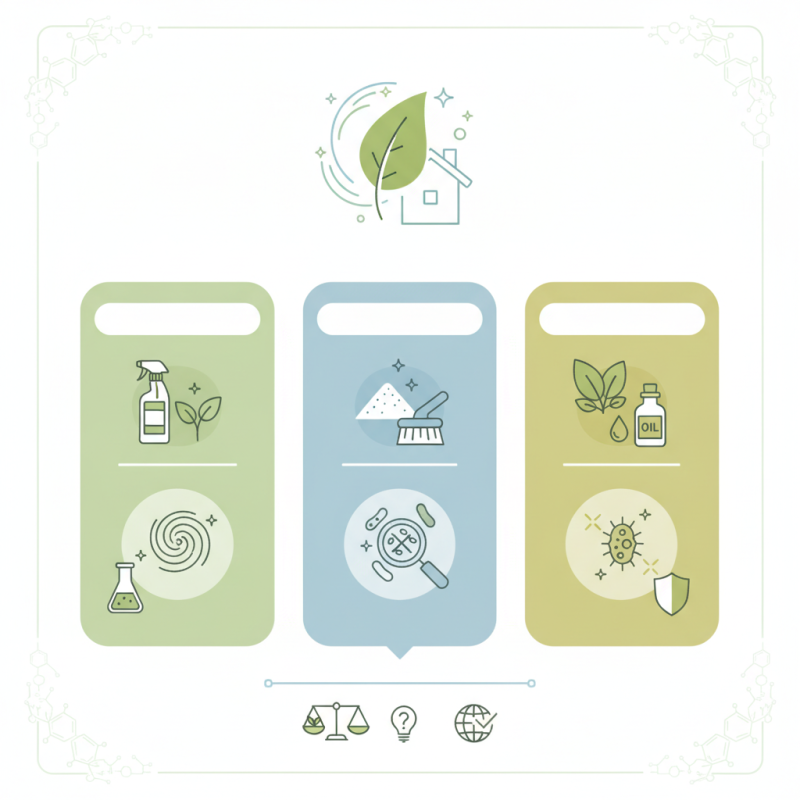
Natural Alternatives to Harsh Cleaners in Household Cleaning
Natural cleaning agents are gaining ground as consumers seek safer alternatives. Studies show that 70% of households prefer eco-friendly cleaning products.
Vinegar is a top contender. It cuts through grease and eliminates odors effectively. This simple kitchen staple can replace chemical-heavy all-purpose cleaners. Combining vinegar with baking soda creates a potent mixture.
This duo can tackle tough stains without harsh effects on surfaces.
Another contender is lemon juice. It contains citric acid, which acts as a natural antibacterial. A report from the American Journal of Environmental Health highlights that lemon juice can kill 99% of bacteria.
Many people use it to freshen up their homes. It not only cleans but also leaves a pleasant scent. Furthermore, essential oils like tea tree and lavender offer additional antimicrobial properties.
These natural alternatives can enhance cleaning routines without the toxic fallout.
Adopting these natural ingredients poses its own hurdles. Effectiveness may vary depending on the cleaning task. Users must experiment to find optimal solutions. The sustainability of using these products is evident, yet some may struggle with consistency.
Despite these imperfections, the shift towards natural cleaning options reflects a growing awareness of health and environmental concerns.
Understanding the Benefits of Using Natural Ingredients
Natural ingredients are becoming a popular choice for cleaning. People are increasingly aware of the potential dangers of harsh chemicals. According to a report from the Environmental Protection Agency (EPA), indoor air quality can be up to five times worse than outdoor air. The use of natural cleaning ingredients can improve this situation.
Vinegar, for example, acts as a powerful disinfectant. It can kill about 82% of bacteria, according to a study published in the Journal of Environmental Health. Baking soda is another effective natural ingredient. It deodorizes and scrubs surfaces effectively without scratching them. These ingredients are not just safe for humans; they are also less harmful to pets and the environment.
Despite the benefits, there are challenges. Some natural cleaners may not perform as well on tough stains compared to chemical alternatives. Research shows that consumers often underestimate the cleaning power of natural ingredients. This gap highlights the need for more education on effective formulations. This understanding can lead to a healthier home and planet, making a difference in people's lives.
Common Natural Ingredients and Their Cleaning Properties
Natural cleaning agents can effectively replace harsh chemicals. These ingredients are not only safer but also more environmentally friendly. Let's explore some common natural ingredients and their cleaning properties.
Vinegar is a popular natural cleaner known for its acidity. It can break down mineral deposits and grease. Use it to clean windows or countertops. However, its strong smell can be off-putting. The scent fades quickly but some may find it overwhelming.
Baking soda is another versatile ingredient. It is a mild abrasive and deodorizer. Create a paste with water to scrub surfaces. It works well on tough stains in sinks and ovens. Yet, it can leave a white residue if not rinsed properly.
Lemon juice is effective for cutting through grime. The citric acid helps dissolve stains and disinfects surfaces. It can also leave a fresh scent, yet depending on the concentration, it may need multiple applications. Each of these ingredients shows promise, but results can vary based on the cleaning task.
How to Formulate Effective Natural Cleaning Solutions
Natural cleaning solutions are gaining popularity due to their effectiveness and safety. Common ingredients like vinegar, baking soda, and essential oils are not just eco-friendly; they are proven to work well against various household stains. A study by the American Cleaning Institute noted that 74% of consumers prefer using natural products to avoid harmful chemicals.
When formulating effective cleaning solutions, it's essential to understand the properties of these ingredients. Vinegar, for instance, is a mild acid that can dissolve mineral deposits. Baking soda acts as a gentle abrasive and deodorizer. Combining these two can yield a powerful cleaner for many surfaces. However, not all combinations guarantee success, and some trials may lead to disappointing results. Natural ingredients often require more time and effort compared to their commercial counterparts, which can be frustrating.
Essential oils such as tea tree and lavender offer not only antimicrobial properties but also pleasant fragrances. However, they can be expensive and may not always be as effective as synthetic alternatives against severe dirt. Research shows that natural solutions may perform well on light soil, but performance can vary dramatically. Thus, continuous experimentation is necessary to find the right blend for specific cleaning tasks.
What Natural Ingredients Effectively Replace Harsh Cleaners? - How to Formulate Effective Natural Cleaning Solutions
| Natural Ingredient |
Effectiveness |
Uses |
Notes |
| Vinegar |
High |
Glass cleaner, deodorizer |
Avoid on natural stone surfaces |
| Baking Soda |
High |
Scrubbing agent, deodorizer |
Non-toxic and safe for most surfaces |
| Lemon Juice |
Medium |
Deodorizer, stain remover |
Natural acid may damage certain finishes |
| Castile Soap |
High |
General cleaner, hand soap |
Made from vegetable oils, biodegradable |
| Tea Tree Oil |
High |
Antibacterial cleaner |
Strong scent, may cause skin irritation |
Tips for Safe Usage and Storage of Natural Cleaners
Natural cleaners are gaining traction as effective alternatives to commercial products, often laden with harsh chemicals. Safe usage and storage of these cleaners are paramount, as they can still cause harm if not handled properly. According to a report from the Environmental Protection Agency (EPA), household cleaning products result in approximately 1.5 million emergency room visits each year. This statistic underscores the need for greater awareness about safe practices.
When using natural ingredients like vinegar or baking soda, it’s essential to conduct a patch test. Apply a small amount in an inconspicuous area to prevent unwanted reactions. Additionally, store these substances in clearly labeled containers. This not only aids in organization but also minimizes the risk of accidents. Ensuring that these bottles are kept out of reach of children is critical.
Be aware that while natural cleaners are safer, some can be harmful if ingested or improperly mixed. For instance, vinegar and baking soda create a volcanic reaction, which is entertaining but not practical for cleaning tasks. In practical terms, always read up on any potential reactions and maintain a well-ventilated space during use. Such precautions can mitigate risks and promote a safer cleaning environment.
FAQS
: Natural ingredients improve indoor air quality and are safer for humans and pets. They are also environmentally friendly.
Vinegar is a powerful disinfectant, killing about 82% of bacteria. It breaks down mineral deposits well.
Baking soda acts as a deodorizer and mild abrasive. It effectively scrubs surfaces without scratching them.
Some natural cleaners may underperform on tough stains compared to chemical alternatives. Consumers often underestimate their effectiveness.
Store natural cleaners in clearly labeled containers out of children’s reach. This prevents accidental ingestion or misuse.
Conduct a patch test by applying a small amount in an inconspicuous area. This helps prevent unwanted reactions.
Yes, some natural ingredients can cause harm if ingested or improperly mixed, like vinegar and baking soda together.
Vinegar has a strong smell that fades quickly. Some people find it overwhelming, while lemon juice can leave a fresh scent.
Maintain a well-ventilated area during use and read up on potential reactions between different natural ingredients.
Forgetting to rinse off baking soda may leave a white residue. Not understanding their limitations can lead to frustration.
Conclusion
In the quest to create a healthier home environment, many are asking, "What natural ingredients can replace harsh cleaners?" This article explores effective natural alternatives, highlighting the benefits of using mild yet powerful ingredients like vinegar, baking soda, and essential oils in household cleaning. These natural components are not only safer for the environment but also less harmful to our health compared to conventional cleaning products.
Understanding the unique cleaning properties of common natural ingredients is key to formulating effective solutions. The article guides readers on how to mix these ingredients safely, ensuring optimal results while also providing tips for safe usage and storage of homemade cleaners. By making the switch to natural alternatives, households can maintain cleanliness without compromising health or safety.

 Greene Home