How to Make Your Own Natural Cleaning Products at Home?

Time:2026-05-13 Author:Amelia
0%

Creating a clean and healthy home environment is essential. Many people are turning to natural cleaning products for their effectiveness and safety. Learning how to make your own natural cleaning products can empower you. It's cost-effective, eco-friendly, and free of harsh chemicals.

To begin, gather a few basic ingredients commonly found in your kitchen. Items like vinegar, baking soda, and essential oils can work wonders. They are versatile and can tackle various cleaning tasks, from disinfecting surfaces to freshening laundry. However, results may vary based on the specific challenge.

Experimenting can lead to unexpected outcomes. Sometimes, a recipe might not work as anticipated. This is part of the journey. Don't hesitate to adjust your mixtures. Think critically about your results. How to make your own natural cleaning products not only offers practical benefits but also invites creativity and reflection in your cleaning routine.
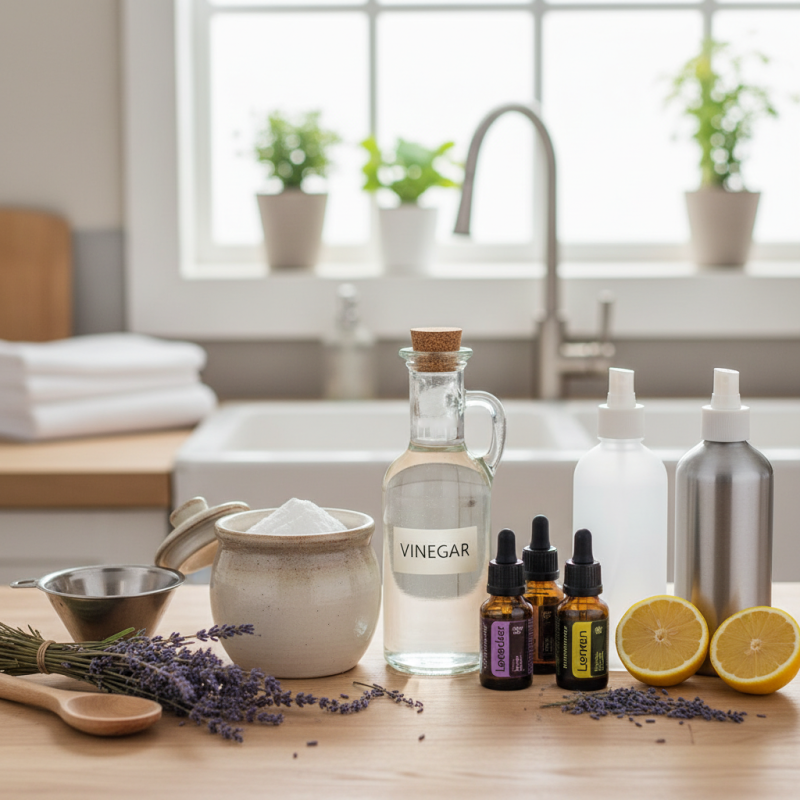
How to Make Your Own Natural Cleaning Products at Home?

Understanding the Benefits of Natural Cleaning Products for Health

Natural cleaning products offer numerous benefits for health. They are typically made from non-toxic ingredients found in nature. This means fewer harmful chemicals released into your home. Using natural ingredients can reduce respiratory issues and skin irritations. Many commercial cleaners contain harmful substances that can linger in your indoor air.

Switching to natural cleaners can be a small yet impactful change. It’s easy to make simple solutions with vinegar and baking soda. These ingredients can effectively tackle grease and grime. However, finding the right balance may take time. You might need to experiment with different ratios to discover what works best.

Keep in mind that not every natural solution performs as well as its chemical counterparts. Sometimes, a little extra effort is needed to achieve cleanliness. Re-evaluating your cleaning routine can lead to better health for you and your family. It’s worth the change for a safer home environment.

Essential Ingredients for Making Effective Homemade Cleaners

Creating natural cleaning products at home can be rewarding and eco-friendly. To start this journey, you'll need a few essential ingredients. Baking soda is a powerful abrasive that can help scrub surfaces. White vinegar is excellent for cutting through grease and deodorizing. Lemon juice is a natural bleaching agent and adds a fresh scent. Combine these ingredients creatively for effective cleaners.

While mixing vinegar and baking soda creates a fizzy reaction, be cautious. This combination can foam and overflow if not used carefully. Additionally, essential oils like tea tree or lavender add pleasant fragrances and boost antibacterial properties. Remember, natural doesn't mean aggressive. Test your mixtures on small areas first to ensure they won’t damage surfaces.

Using these ingredients means you'll need to adjust your methods. Cleaning may take a bit longer without harsh chemicals. It's a learning curve to find the right ratios for effective cleaning. Sometimes, a cleaner might not work as well as expected. This experience will guide you in crafting better versions for the future. Embracing this imperfect process is part of making your home cleaner and healthier.

Essential Ingredients for Making Effective Homemade Cleaners

Step-by-Step Guides for Creating Specific Cleaning Solutions

Making natural cleaning products at home is both eco-friendly and cost-effective. With just a few simple ingredients, you can create various cleaning solutions. For a basic all-purpose cleaner, mix one cup of vinegar with one cup of water. This solution works well on many surfaces, from countertops to bathroom tiles. Remember to test it on a small area first.

Baking soda is another versatile ingredient. To make a scrub, combine it with a bit of water to form a paste. Use this paste to tackle tough stains in your kitchen or bathroom. It’s safe to use and much more gentle than harsh commercial scrubs. Experimenting with amounts can lead to varying results, so you may need to adjust your mixture.

Finally, lemon juice can add a fresh scent and boost cleaning power. Mix lemon juice with water for an effective glass cleaner. This solution will leave your windows streak-free and shining. However, sunlight affects the results, so consider cleaning on overcast days. Learning how to make these products takes time and practice, but the benefits are worth the effort.

Safety Precautions When Using Natural Cleaning Ingredients

Using natural cleaning products can be eco-friendly, but safety should never be overlooked. Many natural ingredients can still cause irritation or harm. For instance, vinegar is often praised for its cleaning abilities, but it can irritate skin and eyes if not handled properly. According to the American Cleaning Institute, nearly 30% of consumers reported issues when misusing natural products.

Always wear gloves when using acidic ingredients like vinegar or lemon juice. This protects your skin and reduces the risk of allergic reactions. Keep these ingredients away from your eyes to avoid irritation. Furthermore, some essential oils, popular in DIY cleaning recipes, can be potent. For example, tea tree oil can cause allergic reactions in some individuals. A study published in the Journal of Environmental Health indicated that nearly 15% of people reported adverse effects from essential oil exposure.

Additionally, ensure good ventilation when cleaning. Even natural products can release harmful fumes. The CDC emphasizes the importance of air circulation to prevent respiratory issues. Always test a small area with your homemade cleaner before widespread use. This step can save you from damaging surfaces or causing unwanted reactions. While natural cleaning offers numerous benefits, caution is key to ensuring a safe cleaning experience.

Cost-Benefit Analysis: Homemade Cleaners vs. Commercial Products

When considering homemade cleaners versus commercial products, the cost savings can be significant. Basic ingredients like vinegar, baking soda, and essential oils are inexpensive and widely available. Each homemade cleaner typically costs just a few cents per use. In contrast, commercial cleaners can add up quickly, often costing several dollars per bottle. These extra costs can strain household budgets over time.

However, the effectiveness of homemade solutions varies. While many people swear by vinegar for windows and baking soda for scrubbing, some tough stains may still require stronger chemical-based cleaners. This can lead to frustration, especially if a homemade cleaner fails to meet expectations. Testing various recipes can be time-consuming.

Tip: Start with simple all-purpose cleaners. Combine equal parts vinegar and water in a spray bottle. This mix works well for many surfaces.

While making your own products can seem eco-friendly, it might not always provide desired results. Experimenting is essential. If a mix doesn’t clean well, it may require tweaking or replacing.

Tip: Add a few drops of dish soap to enhance degreasing power. This adjustment can improve cleaning outcomes for greasy kitchen spots.

Balancing effectiveness and cost is vital. Homemade cleaners offer savings but may require persistence and practice to perfect.

FAQS

: What are the main benefits of using natural cleaning products?

: Natural cleaning products use non-toxic ingredients. They reduce harmful chemicals in your home. This can improve respiratory health and decrease skin irritations.

Are natural cleaning products effective?

Many natural solutions work well, but results may vary. Sometimes, they require more effort compared to chemical cleaners. Experimenting is often necessary to find the right balance.

How can I make a basic all-purpose cleaner at home?

Mix one cup of vinegar with one cup of water. This solution is safe for most surfaces. Always test on a small area first.

What should I know before using vinegar as a cleaner?

Vinegar is acidic and can irritate your skin and eyes. Always wear gloves when using it. Be cautious and keep it away from your face.

Are there any risks associated with essential oils in cleaning products?

Yes, some essential oils can cause allergic reactions. For example, tea tree oil may trigger sensitivities in certain individuals. Always proceed with caution.

How can I enhance the effectiveness of my natural cleaners?

Adding lemon juice can boost cleaning power. Mix it with water for a great glass cleaner. Sunlight may affect results, so clean on cloudy days.

Is it safe to mix different natural cleaning ingredients?

Mixing can sometimes lead to unwanted reactions. Always test small amounts first. Rely on known safe combinations to ensure effective and safe cleaning.

How can I ensure good ventilation while cleaning?

Open windows and doors or use fans. Proper air circulation helps reduce potentially harmful fumes, even from natural products.

What should I do if a natural cleaning product irritates my skin?

Stop using the product immediately and rinse the affected area with water. If irritation persists, consult a medical professional.

Can I trust all natural cleaning products to be safe?

Not all natural products are free from risk. Be aware of potential irritants. Always prioritize caution and safety practices while cleaning.

Conclusion

Making your own natural cleaning products at home offers numerous health benefits and environmental advantages. Understanding these benefits is crucial for anyone looking to reduce their exposure to harmful chemicals found in commercial cleaners. To embark on this journey, first, gather essential ingredients like vinegar, baking soda, and essential oils, which are known for their cleaning properties. The article provides detailed step-by-step guides for creating specific cleaning solutions tailored to different areas of the home, ensuring effectiveness and safety.

Safety precautions are vital when using natural cleaning ingredients, as some individuals may have sensitivities. Additionally, a cost-benefit analysis reveals that homemade cleaners can be more economical compared to commercial products while also being safer for both your health and the environment. Overall, this guide illustrates how to make your own natural cleaning products, empowering you to adopt a healthier cleaning routine that benefits both your home and the planet.

Amelia

Amelia

Amelia is a seasoned marketing professional with a wealth of expertise in our company’s core offerings. With an unwavering passion for driving growth and innovation, she plays a pivotal role in shaping our marketing strategies and enhancing brand visibility. A key aspect of her responsibilities......