Indoor air quality is often overlooked, yet it significantly impacts our health and well-being. Poor air quality can lead to respiratory issues, allergies, and other health problems. Many people ask, "How to improve indoor air quality naturally?" This question is vital for creating a healthier living environment.
There are various natural methods to enhance indoor air quality. Plants are one option. They can absorb toxins and release oxygen. Specific varieties like snake plants and spider plants are easy to care for and effective. Regular cleaning is essential, too. Dust and allergens accumulate quickly. Using natural cleaning products can reduce harmful chemicals in your home.
Ventilation is another crucial factor. Opening windows allows fresh air to circulate. However, safety concerns sometimes prevent this. Recognizing that improvement may require effort is crucial. It isn't a one-time fix. Regularly assessing your air quality is necessary for lasting change. By exploring how to improve indoor air quality naturally, you take an important step towards a healthier home.
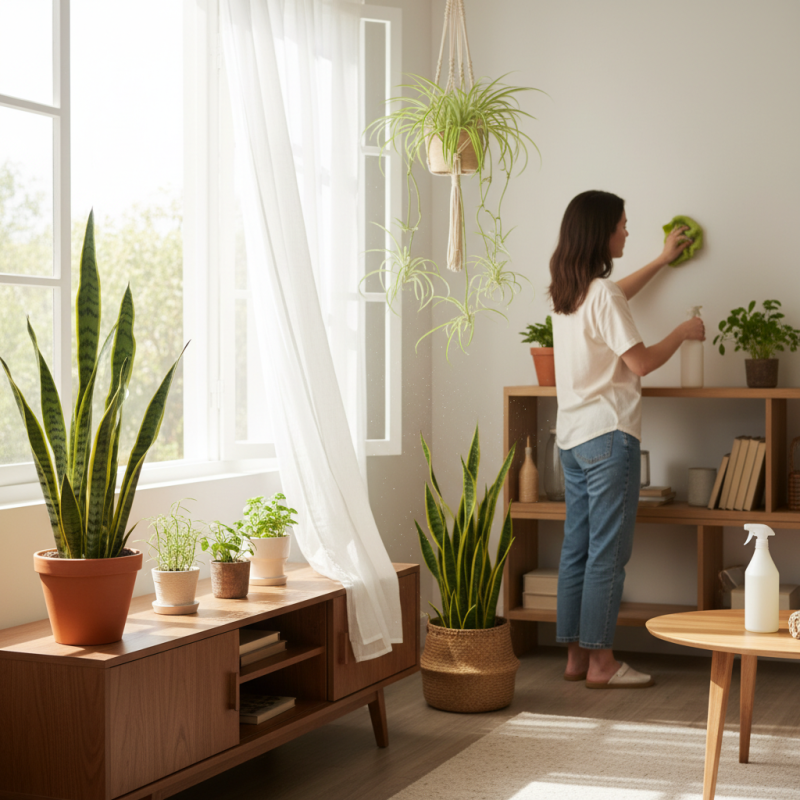
Indoor air quality is crucial for our health.
Poor air indoors can lead to respiratory issues and allergies. Understanding the sources of indoor pollutants is the first step.
Common culprits include dust, mold, and
volatile organic compounds. These can accumulate in poorly ventilated spaces.
Being aware of your surroundings is essential for a healthier home.
To improve indoor air quality, consider regular ventilation.
Open windows when weather permits. This simple act can significantly reduce indoor pollution levels. Indoor plants are another effective method.
They can naturally filter the air and add moisture. A healthy balance of humidity is vital for respiratory comfort.
Cleaning regularly is also important. Dust surfaces weekly and vacuum often.
Use a vacuum with a HEPA filter for best results.
Ensure that your home is dry to prevent mold growth. Attending to these small details can create a more inviting and healthy living environment.
A mindful approach to air quality can yield significant health benefits.
Indoor air pollution can significantly impact health. Common sources include dust, mold, and volatile organic compounds (VOCs). Dust often accumulates in homes, particularly in carpets and furniture.
Regular cleaning can help, but some areas are often missed.
Mold thrives in damp spaces, like bathrooms and basements. It can trigger allergies and respiratory issues. Keeping humidity levels down is essential. Use exhaust fans and consider a dehumidifier.
Another concern is VOCs, found in paints, cleaners, and furniture. These chemicals can release harmful gases into the air. Opting for natural cleaning products can reduce exposure. However, it's vital to remember that eliminating all pollutants is challenging. Sometimes, pollution sources are hidden or overlooked. Addressing indoor air quality is an ongoing process that needs attention.
Improving indoor air quality naturally is essential for a healthy home. Many people overlook the importance of clean air.
Natural methods can be simple and effective.
One approach is to incorporate houseplants. Plants like spider plants and snake plants absorb toxins and release fresh oxygen. They create a soothing atmosphere. Keep plants in sunny spots and water them regularly. This not only purifies the air but also enhances your living space.
Another effective tip is to reduce chemical cleaners. Most conventional products contain harmful substances. Opt for natural alternatives. Vinegar and baking soda can clean surfaces without adverse effects. This shift reduces indoor pollutants significantly. Additionally, maintaining good ventilation is crucial. Open windows to allow fresh air circulation. Exhaust fans in kitchens and bathrooms help remove humidity and odors.
Pay attention to the air quality. Sometimes, despite our efforts, issues persist. Regularly check for mold or dust accumulation. Small changes can lead to a more breathable environment. Focus on creating a home that prioritizes health and well-being.
Indoor plants offer a natural way to purify air and enhance indoor quality. Certain plants can absorb harmful toxins and release oxygen. For example, the spider plant thrives in low light and filters formaldehyde. Peace lilies are beautiful and highly effective at removing benzene and ammonia. They can brighten a room and improve the air.
Every plant has unique care needs. Some might require more sunlight, while others prefer shade. You'll need to occasionally wipe leaves to remove dust for optimal air absorption. Overwatering can lead to mold, which defeats the purpose. It’s crucial to find a balance.
Incorporating plants into your home isn’t just beneficial. It adds life and color to your space. Many find that caring for plants can be therapeutic. However, be mindful if you have pets, as some plants are toxic. A little research can go a long way in creating a healthier home environment.
Proper ventilation is essential for maintaining a healthy indoor environment. Studies show that indoor air can be two to five times more polluted than outdoor air. This is concerning given that people spend approximately 90% of their time indoors. Pollutants like dust, mold, and volatile organic compounds (VOCs) accumulate without proper airflow. An effective strategy to address this issue is ensuring adequate ventilation.
Opening windows and doors can increase air exchange. Even doing this for 15 to 30 minutes daily can significantly improve air quality. If outdoor conditions allow, fresh air can dilute indoor contaminants. According to the Environmental Protection Agency, good ventilation can reduce indoor air pollutants by up to 50%.
Regularly using exhaust fans in kitchens and bathrooms also helps control moisture. Excess humidity can lead to mold growth, which exacerbates respiratory issues. However, be cautious about excessive drafts or temperature loss in colder months. Balancing comfort and air quality can be challenging yet necessary. Creating a healthier home environment requires mindfulness and consistent effort in ventilation.
This bar chart represents various natural methods to improve indoor air quality along with their effectiveness ratings on a scale of 1 to 10.
: Poor indoor air can lead to respiratory issues and allergies. Understanding pollutants helps improve health.
Sources include dust, mold, and volatile organic compounds. These accumulate in poorly ventilated spaces.
Houseplants like spider and snake plants filter air and release oxygen. They also enhance the atmosphere.
Yes, dusting and vacuuming regularly can reduce pollutants. Use a vacuum with a HEPA filter for best results.
Open windows for 15 to 30 minutes daily. This improves air exchange and reduces indoor contaminants.
Keep your home dry and ventilated. Check for hidden mold regularly, as it can worsen respiratory issues.
Many conventional cleaners contain harmful substances. Natural alternatives like vinegar and baking soda are safer options.
Exhaust fans help control moisture and remove odors. They are crucial in kitchens and bathrooms to prevent mold.
Yes, balancing comfort with ventilation can be difficult, especially in colder months.
Regular ventilation is essential. Open your windows and doors to let fresh air circulate.
Improving indoor air quality is essential for maintaining a healthy home environment. Understanding indoor air quality (IAQ) and its significance for health is the first step in addressing common sources of indoor air pollution, such as dust, mold, and volatile organic compounds (VOCs). By implementing natural methods, such as utilizing plants known for their air-purifying abilities and ensuring proper ventilation, homeowners can create a fresher indoor atmosphere.
To effectively answer the question of how to improve indoor air quality naturally, one can incorporate specific houseplants that filter toxins and promote oxygen flow. Additionally, maintaining good ventilation by regularly opening windows and using exhaust fans helps to circulate fresh air and reduce indoor pollutants. Through these strategies, individuals can significantly enhance their living spaces and support better respiratory health.

Greene Home