In today's world, maintaining eco-friendly appliances efficiently is crucial for sustainability. Many households now embrace these appliances to reduce their carbon footprint. However, one must understand how to maintain eco-friendly appliances efficiently to maximize their benefits. Neglecting proper care can lead to decreased performance and a shorter lifespan.
Regular maintenance enhances efficiency and conserves energy. For example, cleaning filters and coils in refrigerators can improve cooling efficiency. However, many people overlook this simple task, thinking it is unimportant. Ignoring such details can lead to higher energy bills and a negative environmental impact.
By adopting essential maintenance tips, users can ensure their eco-friendly appliances function optimally. This brings not only energy savings but also a sense of responsibility toward the planet. As we explore these tips, remember that responsible actions can have a significant impact on our environment.
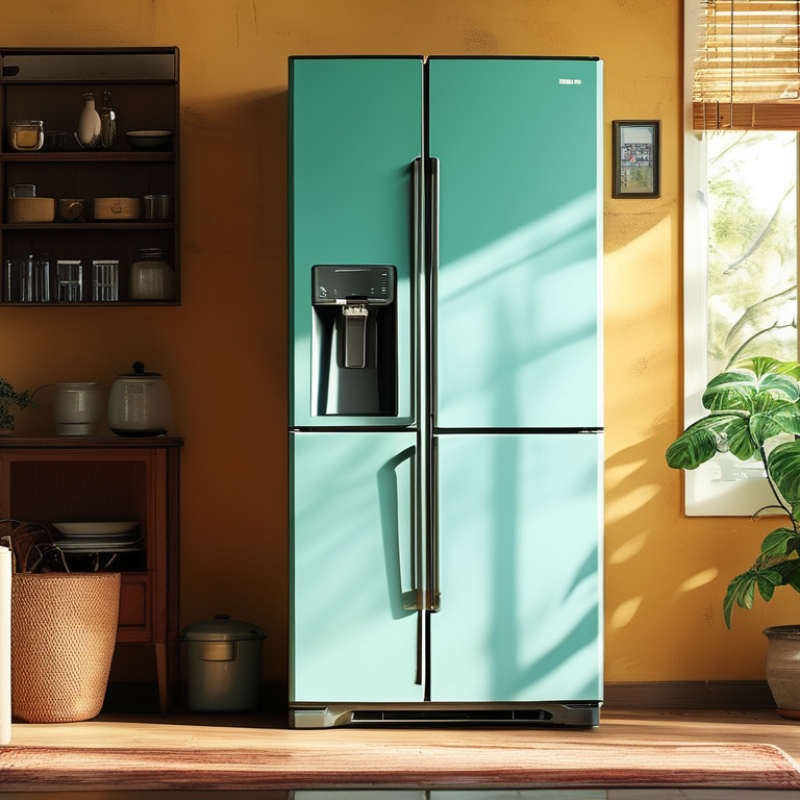
Eco-friendly appliances play a significant role in promoting sustainability. They often consume less energy and produce fewer emissions, making them a smart choice for the environment. But what truly makes an appliance eco-friendly? It’s about the materials used, energy efficiency, and waste production. Sustainable appliances are often made from recycled or renewable materials, and they are designed to last longer.
Maintaining these appliances is crucial for their longevity and efficiency. One tip is to regularly check for leaks or wear and tear. Small issues can lead to larger problems if not addressed promptly. Keeping the appliances clean also enhances their performance. Dust and grime can affect their efficiency. Regular maintenance can save energy and reduce your carbon footprint.
Consider looking for energy ratings when choosing a new appliance. This can guide you in making a more sustainable choice. Another tip is to use the appliances only when necessary. Unplugging devices when not in use can also prevent energy waste. Eco-friendly appliances require our commitment to ensure they function at their best.
| Tip Number | Maintenance Tip | Benefit | Frequency |
|---|---|---|---|
| 1 | Clean filters regularly | Improves efficiency | Monthly |
| 2 | Inspect seals and gaskets | Reduces energy loss | Every 6 months |
| 3 | Defrost freezers regularly | Enhances cooling efficiency | As needed |
| 4 | Check for leaks | Saves water and energy | Bi-annually |
| 5 | Use energy-saving modes | Reduces electricity usage | Each use |
| 6 | Unplug when not in use | Lowers energy bills | Daily |
| 7 | Calibrate appliances | Improves performance | Annually |
| 8 | Replace old appliances | Saves energy | As needed |
| 9 | Keep appliances well-ventilated | Enhances efficiency | Constantly |
| 10 | Educate household members | Promotes eco-friendly habits | Ongoing |
: Eco-friendly appliances are designed to consume less energy and produce fewer emissions. They support sustainability.
Regularly check for leaks and clean them to enhance performance. Small issues can escalate if ignored.
Look for energy efficiency ratings and consider materials. Durability and recyclability also matter for sustainability.
Manufacturing can use 15-30% of an appliance's total energy. Evaluating its lifecycle helps assess its overall impact.
Dispose of old appliances responsibly. Consider recycling or donating functional units to help others and minimize waste.
Yes, they often have a higher upfront cost. However, energy savings over time can offset this initial expense.
Use appliances only when necessary. Unplug them when not in use to prevent unnecessary energy consumption.
Look for local recycling programs or drop-off centers. Check for scheduled pick-up services in your community.
Balance cost and sustainability. Reflect on whether to spend more initially or save on energy costs long-term.
Improper disposal can harm ecosystems. Responsible choices, like recycling or donating, contribute to a healthier planet.
In today's environmentally conscious world, understanding how to maintain eco-friendly appliances efficiently is crucial for enhancing their longevity and performance. First, it's important to recognize the characteristics that make these appliances sustainable, such as energy efficiency and reduced emissions. When choosing eco-friendly appliances for your home, consider factors like energy ratings and materials used, ensuring they align with your sustainability goals.
Routine maintenance is essential for maximizing the efficiency of eco-friendly appliances. Regular checks, cleaning, and necessary repairs can significantly extend their lifespan. Additionally, incorporating energy conservation practices, such as unplugging devices when not in use and optimizing usage, will further enhance their performance. Lastly, responsible disposal and recycling of old appliances are vital for minimizing environmental impact and promoting sustainability. By following these guidelines, homeowners can enjoy the benefits of eco-friendly appliances while contributing to a greener planet.

 Greene Home