Mold growth in homes is a common issue. It can harm health and weaken structures. According to a report by the Environmental Protection Agency (EPA), mold can provoke allergic reactions in 10% to 30% of sensitive individuals. Understanding "how to prevent mold with eco-friendly methods" is essential for homeowners.
Expert in environmental health, Dr. Emily Harrison, emphasizes, "Using natural solutions can prevent mold and protect our environment." Many eco-friendly options exist. Daily habits, like keeping humidity low, can make a significant difference. Regularly ventilating spaces, drying wet areas promptly, and using natural mold repellents can keep mold at bay.
However, there are challenges. Homeowners often overlook hidden areas like basements and attics. This negligence can lead to serious mold problems. Awareness and proactive steps are crucial in combating mold growth efficiently. Embracing eco-friendly strategies is not just about prevention; it's also about promoting a healthier living space. With this knowledge, you can create a mold-free home.
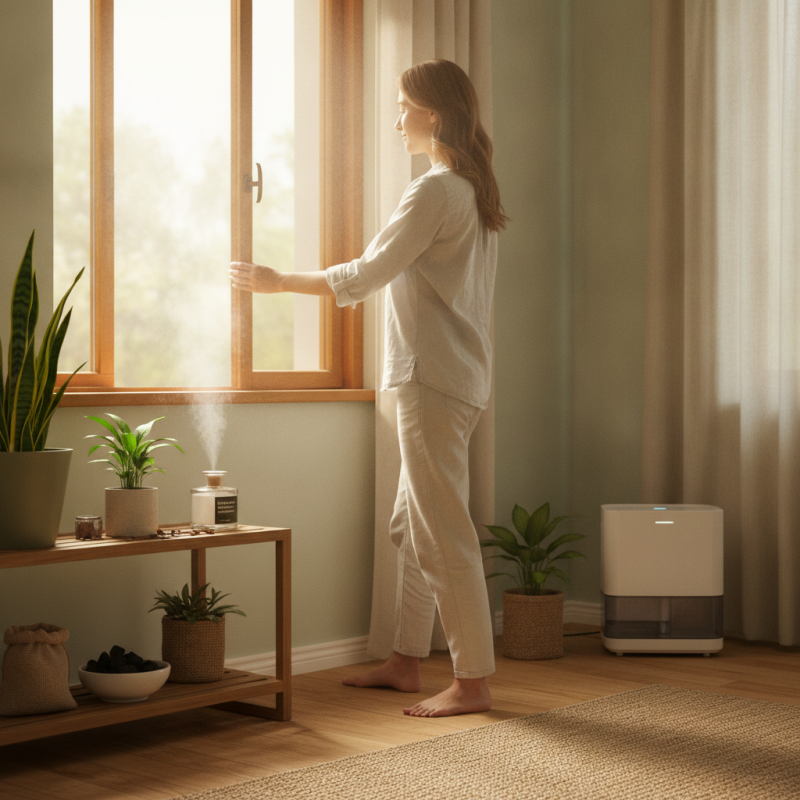
Mold growth in homes
is a significant concern. It often thrives in damp and poorly ventilated areas. According to the
Environmental Protection Agency (EPA), mold can grow within
24 to 48 hours of water exposure. Understanding
mold's causes is crucial for prevention.
Moisture is the primary driver of mold growth. High humidity levels, leaks, and condensation create ideal
conditions. A study published in the Journal of Environmental Health
states that nearly 30% of homes have moisture problems,
increasing health risks. Mold can affect indoor air quality, leading to respiratory issues and allergies.
Prevention strategies should focus on reducing moisture. Ventilation is vital in kitchens and bathrooms.
Regularly checking pipes and roofs helps identify leaks early. Moreover, maintaining indoor humidity below
50% is recommended. Simple practices, like using
exhaust fans and ensuring proper drainage, can be effective. However, many do not realize that even small,
unnoticed leaks can lead to significant mold problems over time. Understanding your living space and its
vulnerabilities is essential.
: Mold thrives in damp, poorly ventilated areas. High humidity and leaks are primary causes.
Mold can grow within 24 to 48 hours of water exposure.
Mold can affect indoor air quality, causing respiratory issues and allergies.
Focus on reducing moisture and improving ventilation in kitchens and bathrooms.
Maintaining humidity below 50% helps prevent mold growth.
Vinegar and baking soda are effective eco-friendly solutions for mold removal.
Spray vinegar on affected areas, let it sit, then wipe clean.
Yes, inconsistent cleaning can lead to mold resurgence over time.
Essential oils like tea tree or lavender can also be effective.
Inspect areas like bathrooms and basements for leaks and ensure proper ventilation.
Mold growth in homes can lead to various health issues and structural damage, making it crucial to understand its causes and effects. To combat this, homeowners can adopt eco-friendly methods for prevention. Essential products such as vinegar and baking soda can effectively inhibit mold development without harmful chemicals. Additionally, ensuring proper ventilation in areas like bathrooms and kitchens reduces moisture buildup, further mitigating mold risks.
Natural moisture control methods, including using dehumidifiers and maintaining appropriate indoor humidity levels, can significantly help in preventing mold growth. Moreover, routine home maintenance practices, such as regularly cleaning gutters and inspecting for leaks, are vital to create a mold-free environment. By incorporating these strategies, homeowners can learn how to prevent mold with eco-friendly methods, promoting a healthier living space for themselves and their families.

 Greene Home