When considering how to make home cleaning more eco-friendly, expert Maria Green shares invaluable insights. "Cleaning should not come at the expense of our planet," she emphasizes. This statement encapsulates the growing need for sustainable practices in our daily lives.
The challenge lies in finding effective methods that reduce waste and chemical use. Traditional cleaning products often contain harmful substances that can damage both our health and the environment. By opting for eco-friendly alternatives, we not only create a healthier home but also contribute to a cleaner planet.
Homemade cleaners, vinegar, and baking soda are simple yet effective choices. These ingredients are often safe, affordable, and readily available. However, not every DIY solution is perfect. Some may lack strong cleaning power or require more effort. Thus, finding the right balance between efficacy and environmental responsibility is crucial. As we explore tips for sustainable cleaning, let’s reflect on our choices and commit to greener habits.
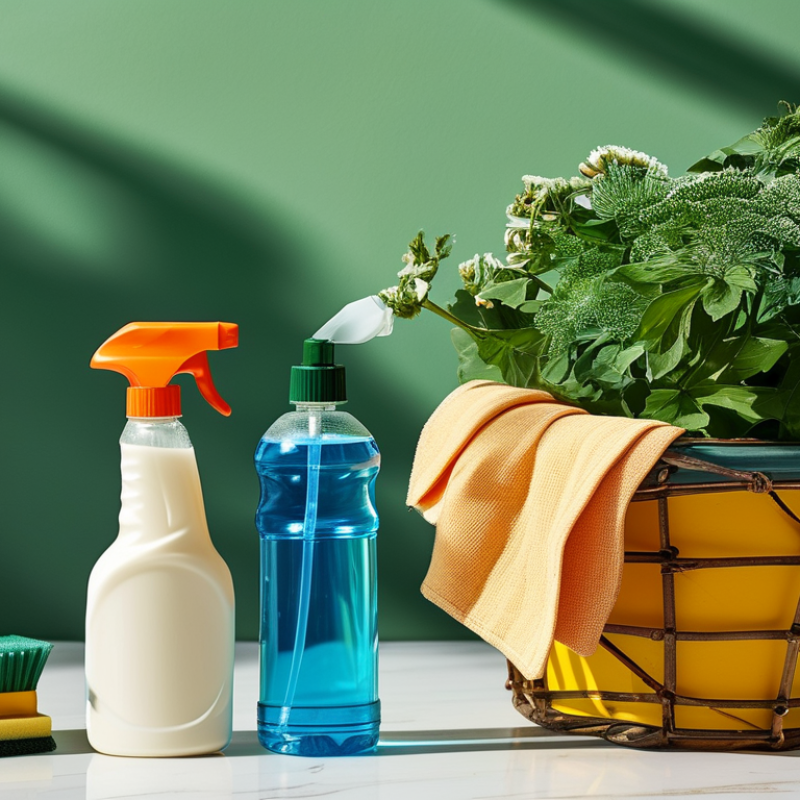
When it comes to eco-friendly cleaning, understanding the materials we use makes all the difference. Traditional cleaning products often contain harmful chemicals. These substances can pollute air and water. Opting for natural alternatives can significantly reduce your ecological footprint. Many everyday items, like vinegar and baking soda, serve as effective, safe cleaners. They break down dirt without leaving behind toxic residue.
It’s essential to learn how different ingredients interact. Mixing vinegar with baking soda creates a reaction that can lift grime. However, this mixture can also be less effective if used incorrectly. Being mindful while cleaning can help you avoid waste. Instead of reaching for disposable cloths, consider using old rags or reusable options. They are just as effective and much better for the environment.
Reflecting on your cleaning routine can reveal areas for improvement. Are you overusing products? Less is often more in eco-friendly cleaning. Strive for efficiency; avoid chemical overkill. Sometimes, a simple method is all you need. Experiment with different techniques, and don’t hesitate to evolve your practices as you learn more.
| Tip | Description | Benefits |
|---|---|---|
| Use Vinegar | Natural disinfectant and deodorizer. | Non-toxic, safe for children and pets. |
| Baking Soda | Great for scrubbing and removing odors. | Eco-friendly and inexpensive cleaning agent. |
| Essential Oils | Adds pleasant scents and has antibacterial properties. | Chemical-free fragrance; promotes wellness. |
| Microfiber Cloths | Effective at trapping dirt and dust without chemicals. | Reusable, reduces waste and cleaning supplies. |
| Lemon Juice | Natural bleach and disinfectant for surfaces. | Brightens surfaces and leaves a fresh scent. |
: White vinegar is essential. It disinfects and cuts through grime well.
Sprinkle it on surfaces like sinks. It acts as a deodorizer and gentle abrasive.
Combine equal parts of water and vinegar in a spray bottle.
They trap dust without chemicals. They are reusable and reduce waste.
Mix equal parts of water and vinegar for an effective solution.
Create a paste with baking soda and water. Let it sit before scrubbing.
Yes, a few drops of essential oils work well. Avoid using too much oil.
Yes, always test on a small area first. Surfaces vary, and not every solution works.
No, it's a trial-and-error process. Some solutions may not work as expected.
Use reusable items like microfiber cloths for your daily cleaning tasks.
In today's world, adopting eco-friendly cleaning practices is essential for maintaining a sustainable home. To answer the question of "How to make home cleaning more eco-friendly," it's important to first understand the principles of green cleaning. This involves using environmentally safe products and reducing harmful chemicals in our homes. Essential green cleaning supplies, such as vinegar, baking soda, and essential oils, can be effective alternatives to conventional cleaners.
Creating natural cleaning solutions at home can be achieved through a simple step-by-step process that not only benefits the environment but also ensures a healthier living space. Additionally, incorporating tips for reducing waste, like using reusable cleaning cloths and minimizing single-use products, contributes to sustainable habits. By adopting these eco-friendly cleaning habits, households can significantly reduce their environmental impact while enjoying a clean and safe environment.

 Greene Home