Cleaning floors is essential for maintaining a healthy home environment. However, many commercial cleaners contain harmful chemicals. Experts like Dr. Emily Clark, an environmental scientist, emphasize the need for safer alternatives. She states, “Using natural products not only protects your family but also our planet.”
When considering how to clean floors without harmful chemicals, one has to explore various eco-friendly options. Many everyday items serve as effective cleaning agents. Vinegar, baking soda, and lemon juice can tackle grime and dirt without compromising indoor air quality.
A shift toward green cleaning is not just beneficial; it is necessary. People may hesitate to adopt these methods due to preconceived notions. However, many find themselves pleasantly surprised by the effectiveness of these natural solutions. Taking a step back, reflection on traditional products is crucial. It's time to reassess our habits and choose a more sustainable path for floor cleaning.
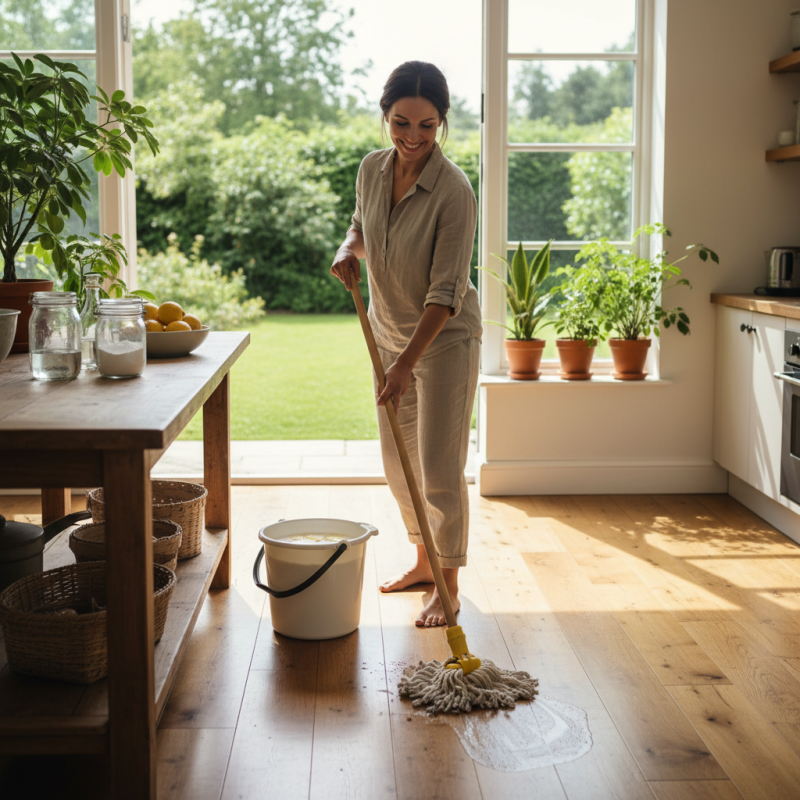
Understanding the importance of eco-friendly floor cleaning is essential for a healthier home. Traditional cleaning products can contain harsh chemicals. These chemicals not only affect indoor air quality but can also harm our health over time. According to the Environmental Protection Agency (EPA), indoor air can be more polluted than outdoor air. This emphasizes the need for safer alternatives.
Using eco-friendly methods ensures a clean space without the risks associated with chemical exposure. For effective cleaning, consider using vinegar mixed with water. This solution can tackle tough stains and eliminate odors. Baking soda is another powerful tool. It can absorb moisture and neutralize various smells.
While many people still resort to chemical cleaners, it’s time to rethink these choices. Green cleaning isn’t just about product choice; it’s about a mindset shift. Research shows that 65% of consumers want sustainable options for their homes. Focusing on eco-friendly practices, like regular sweeping to reduce grime, is a good start. These strategies help foster a safer environment for families and pets alike.
When it comes to floor cleaning, many opt for natural ingredients. Vinegar is a popular choice. It cuts through grime and disinfects without harm. Mix one cup of vinegar with a gallon of warm water. This solution works effectively on most floor types, leaving them shiny and fresh.
Baking soda is another great option. It neutralizes odors and scrubs away stains. For tough spots, sprinkle baking soda directly. Let it sit for a while, then scrub with a damp cloth. This method is gentle but effective.
Essential oils can also enhance your cleaning routine. Adding a few drops of tea tree or lavender oil can offer a pleasant scent. They also provide additional antibacterial properties. Always test a small area first. Natural cleaning methods can take some time to master; patience is key. Experiment with ratios to find what works best for your floors.
Cleaning floors without harsh chemicals is possible and beneficial. Making non-toxic floor cleaners can be easy and effective with simple ingredients. Begin with baking soda, a powerhouse for eliminating odors and stains. Combine it with water to create a paste. This mixture can scrub away tough grime on tile floors. For wooden surfaces, try mixing equal parts vinegar and water. This solution will not harm the finish if used sparingly.
Essential oils can enhance your cleaning blend. A few drops of lavender or tea tree oil can add a pleasant scent and natural antibacterial properties. While these mixtures can be effective, consider testing them on discreet areas first. Remember, vinegar may not be suitable for all floor types like certain stones.
Over time, you may notice some stains require more than basic cleaning. It's crucial to adjust your approach. Sometimes, dirt can embed deeply, and routine cleaning might not be enough. Reflect on the effectiveness of your methods. If persistent stains remain, reassess your cleaning techniques and consider deeper cleaning options. Gathering experiences over time will refine your process and improve results.
Cleaning floors can often involve harsh chemicals that may harm your health and the environment. Studies show that traditional cleaning products can release volatile organic compounds (VOCs), contributing to indoor air pollution. Instead, consider using eco-friendly techniques to achieve better results without harmful effects.
Utilizing natural ingredients is a great starting point. A simple mixture of vinegar and water can effectively clean hardwood and tile surfaces. This solution not only disinfects but also breaks down stains. Research indicates that vinegar has antibacterial properties, making it a smart choice for daily cleaning routines. Baking soda, another versatile ingredient, can tackle tough spots and absorb odors.
Regular maintenance can also diminish the need for deep cleaning. Implementing a “no-shoes indoors” policy helps keep dirt and grime at bay. Sweeping or vacuuming frequently prevents particles from settling into the floor. A microfiber mop can also be a game-changer, requiring only water for effective cleaning. Such techniques may not only enhance cleanliness but also promote a healthier living space.
Cleaning floors sustainably is essential for a healthy home. Many conventional cleaners contain harmful chemicals that can negatively impact indoor air quality. According to the Environmental Protection Agency (EPA), poor indoor air quality can lead to respiratory issues and allergies. Switching to eco-friendly cleaning methods can greatly benefit your health.
Vinegar is a powerful, natural cleaner. It can cut through grime and eliminate odors. A mixture of equal parts vinegar and water works well on most floor types. Baking soda also serves as an excellent abrasive cleaner without damaging surfaces. Sprinkle it on your floors, let it sit, and then scrub gently. These methods reduce chemical exposure while maintaining cleanliness.
Regular maintenance is crucial. Sweeping or vacuuming should be done frequently to prevent dirt buildup. The National Floor Safety Institute states that clean floors can significantly reduce slip and fall accidents. Using reusable microfiber mops decreases waste. While these methods may take more time initially, they offer a more sustainable approach in the long run. Consider experimenting with different eco-friendly options and reflect on what works best for your specific flooring needs.
: Eco-friendly floor cleaning is essential for a healthier home and reduces harmful chemical exposure.
Traditional cleaning products can contain harsh chemicals that harm indoor air quality and overall health.
A mixture of vinegar and water effectively cleans, disinfects, and removes odors from various floor surfaces.
Yes, baking soda absorbs odors and tackles stains, making it a powerful and safe cleaning agent.
Regular sweeping, vacuuming, and adopting a "no-shoes indoors" policy prevent dirt buildup and reduce cleaning efforts.
Maintaining clean floors helps improve indoor air quality, reducing the risk of respiratory issues and allergies.
Reusable microfiber mops create less waste and are effective with just water, promoting sustainability.
Yes, experimenting with various eco-friendly options can help you find what works best for your flooring needs.
Rethinking product choices is important; eco-friendly cleaning is more about practices than just using “green” products.
Transitioning may take time and require effort, but the health benefits and sustainability are worth it.
In today's environmentally conscious world, understanding how to clean floors without harmful chemicals is crucial. This article emphasizes the importance of eco-friendly cleaning methods that safeguard both health and the planet. It provides a comprehensive guide on choosing natural ingredients to create effective, non-toxic floor cleaning solutions.
The step-by-step instructions empower readers to make their own cleaners from simple household items, ensuring a safe and sustainable cleaning process. Techniques for effective eco-friendly floor cleaning are also covered, highlighting practical tips that enhance cleanliness while minimizing environmental impact. Finally, the article concludes with best practices for maintaining clean floors sustainably, encouraging habits that ensure a clean living space without compromising safety or the health of our ecosystem.

Greene Home