In recent years, home cleaning has gained a new perspective. More individuals are interested in eco-friendly practices. The question arises: How to make home cleaning more eco-friendly? According to sustainability expert Dr. Emily Turner, “Every small change can lead to a significant impact on our planet.” Her message encourages us to rethink our cleaning habits.
Traditional cleaning products often contain harmful chemicals. These not only affect the environment but also our health. Many are unaware that simple ingredients like vinegar and baking soda can serve as effective alternatives. Additionally, reusable cloths can replace disposable products, reducing waste.
Changing habits requires reflection. We might overlook the cumulative effect of our choices. Are we really mindful of the impact of plastic bottles and harsh cleaners? Eco-friendly cleaning is not merely a trend; it's a necessity. By asking ourselves "How to make home cleaning more eco-friendly," we take the first step toward a healthier home and planet.
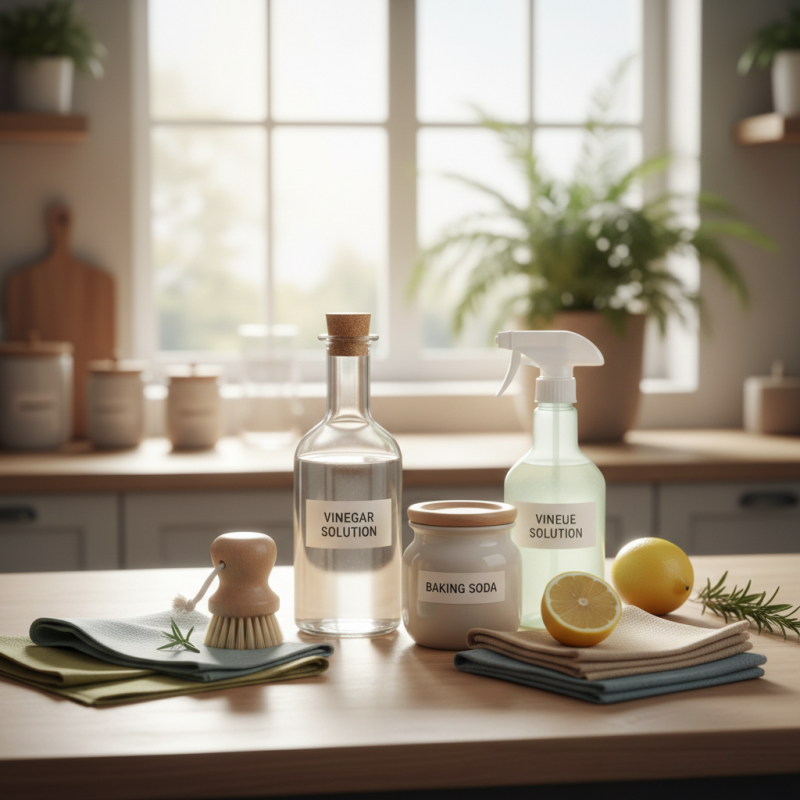
The importance of eco-friendly cleaning cannot be overstated. Traditional cleaning products often contain harsh chemicals. These substances can harm the environment and affect our health. Using safer, natural alternatives helps reduce harmful waste. It also minimizes indoor air pollution.
Incorporating natural ingredients, like vinegar and baking soda, makes cleaning effective. They can tackle stains and odors easily. However, not all eco-friendly methods work perfectly for everyone. Sometimes, they require more elbow grease and time. It's essential to be patient and acknowledge that these solutions may not perform like commercial ones.
Moreover, adopting eco-friendly cleaning practices encourages mindfulness. It prompts us to reflect on consumption habits. Choosing refillable containers or bulk buying reduces plastic waste. Small changes can make a significant impact. Embracing these practices can foster a cleaner home and a healthier planet.
Choosing natural cleaning products is essential for a greener home. Many conventional cleaners contain harmful chemicals. These can affect both health and the environment. Opting for eco-friendly alternatives is a wise choice.
Consider vinegar as a powerful cleaner. It can cut through grime and disinfect surfaces. Mix equal parts of vinegar and water in a spray bottle. Use it on windows, countertops, and even bathroom tiles. Baking soda is another great option. It can freshen carpets and remove stains. Just sprinkle it on surfaces, let it sit, and vacuum.
Don't overlook the importance of reading labels. Some products may claim to be "green" but contain hidden chemicals. Research ingredients before purchasing. Look for biodegradable and non-toxic options. Making small changes in your cleaning routine can have a big impact on the environment. Embracing natural products might take time. Experiment with different mixtures until you find what works best for you.
| Natural Cleaning Product | Ingredients | Benefits | Usage Tips |
|---|---|---|---|
| Vinegar Cleaner | White vinegar, water | Removes odors, cuts grease | Mix equal parts vinegar and water in a spray bottle |
| Baking Soda Scrub | Baking soda, water | Gentle abrasive, deodorizes | Mix with water to form a paste, apply with a sponge |
| Lemon Juice Cleaner | Lemon juice, water | Natural antibacterial, fresh scent | Use full-strength or diluted with water for cleaning |
| Castile Soap | Plant-based oils | Versatile cleaner, non-toxic | Dilute with water for various cleaning tasks |
| Essential Oil Cleaner | Essential oils, vinegar, water | Aromatherapy benefits, antimicrobial properties | Add a few drops of essential oil to vinegar solution |
Creating eco-friendly cleaning solutions at home is both simple and rewarding. One effective cleaner can be made with just two ingredients: vinegar and water. Mix equal parts of both in a spray bottle. Use this mixture to wipe down surfaces, getting rid of grime and bacteria effectively. Vinegar has strong disinfecting properties and leaves no harmful residue behind.
Another great option is baking soda. This versatile powder can be combined with water to form a paste. Apply it to tough stains on countertops or in the bathroom. Let it sit for a few minutes, then scrub away. It can be frustrating when scrubbing doesn’t yield immediate results. Patience is key, as not every stain comes off in a single attempt.
For freshening up your home, consider essential oils. Add a few drops of lemon or lavender oils to your vinegar cleaner. This not only enhances the fragrance but also adds antimicrobial properties. Sometimes, the scents may not be as strong as commercial products. It's a reminder that natural solutions may require a bit more effort. Embrace the process, and enjoy the benefits of cleaner air and surfaces.
Cleaning your home can be a chance to embrace eco-friendly practices. Start by opting for reusable cleaning cloths. Instead of paper towels, use old t-shirts or towels. They cut down on waste and work just as well.
Also, consider making your own cleaning solutions. Simple ingredients like vinegar and baking soda are effective yet harmless.
As you clean, think about the waste generated by conventional products. Many contain chemicals that harm the environment. Reflect on this when choosing cleaning supplies. Explore bulk purchasing options to minimize packaging waste. Creating a cleaning routine that uses less can be rewarding.
Don’t forget about the importance of minimizing water use. A bucket can be more effective than a running faucet. You can also collect water used for rinsing to reuse later. Each small action counts towards a sustainable cleaning practice. Adopting these methods may take time, but the benefits are worth the effort.
Cleaning your home can consume a lot of energy. Using hot water uses more electricity. Try using cold water for washing to save energy. Dusting and sweeping regularly reduces the need for heavy cleaning. Keep surfaces clear to minimize dirt build-up. Simple tasks can make cleaning easier and more efficient.
Using natural cleaning solutions can be effective. Vinegar and baking soda work well on many surfaces. They’re safe and reduce chemical use in your home. However, some stains might require stronger solutions. It’s about finding a balance that suits your needs.
Opt for cloths instead of paper towels. Cloths can be washed and reused. This change cuts down on waste. But remember, they need regular washing. Don’t forget to check if your detergent is eco-friendly. Sometimes, what we think is clean may still harm the environment. Small changes can lead to a big impact over time.
: Eco-friendly cleaning products use natural ingredients without harsh chemicals, reducing harm to health and the environment.
Mix equal parts vinegar and water in a spray bottle. This solution effectively cleans surfaces and is non-toxic.
Yes, vinegar and baking soda tackle many stains and odors, but may require more scrubbing and patience.
Cloths are reusable and cut down on waste, but they need regular washing to stay effective and hygienic.
Sometimes, yes. Natural solutions may require more time and effort compared to traditional commercial cleaners.
Choose refillable containers and buy in bulk. These small changes significantly reduce plastic waste in your home.
Adding essential oils, like lemon or lavender, can improve fragrance and add antimicrobial properties, though they may not be as strong.
Yes, hot water uses more electricity. Using cold water for cleaning saves energy without compromising effectiveness.
Always check if your detergent is eco-friendly. Some products may seem clean but still harm the environment.
Reflecting on consumption habits helps foster awareness of environmental impact and encourages more sustainable choices.
In today's world, adopting eco-friendly practices is essential, especially when it comes to home cleaning. Understanding the importance of eco-friendly cleaning not only promotes a healthier living environment but also contributes to the well-being of our planet. To make home cleaning more eco-friendly, choosing natural cleaning products is crucial. These products are often free from harmful chemicals and can effectively reduce environmental impact.
Creating DIY cleaning solutions is another effective strategy, as they often utilize common household ingredients, making them both economical and sustainable. Furthermore, implementing sustainable practices while cleaning, such as reducing waste and conserving water and energy, can significantly lower your carbon footprint. By focusing on these areas, individuals can learn how to make home cleaning more eco-friendly, ensuring a cleaner home and a healthier planet for future generations.

Greene Home