Choosing the right storage solutions can be challenging. Recycled Plastic Storage Boxes are an eco-friendly option gaining popularity. They are not only practical but also contribute to reducing waste.
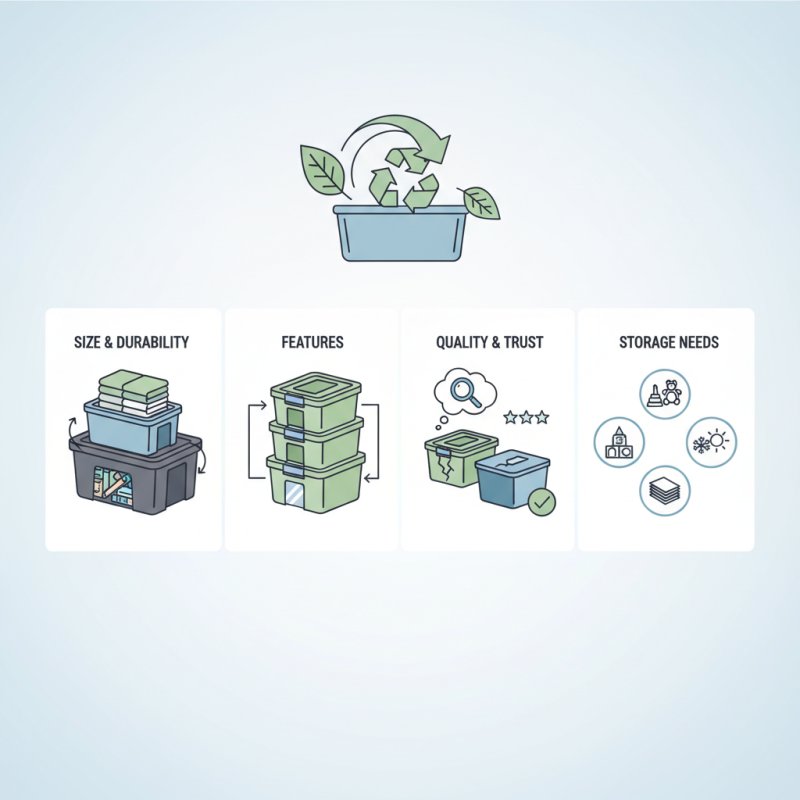
When selecting these storage boxes, consider their size and durability. You want boxes that fit your items and withstand daily use. Look for features like secure lids and stackability. These factors can make a significant difference in your organization.
However, not all recycled plastic products are created equal. Some may look appealing but may not be sturdy. It's essential to read reviews and choose trusted brands. Reflect on your specific storage needs. Are you organizing toys, documents, or seasonal clothing? Each use may require different styles and sizes.
Recycled plastic is becoming essential in storage solutions. As global plastic waste reaches 300 million tons annually, recycling is crucial. About 9% of plastic gets recycled, which highlights a pressing need for better solutions. Using recycled plastic for storage boxes helps reduce waste and promotes resource efficiency.
The durability of recycled plastic is impressive. It can withstand various weather conditions and last up to 20 years or more. This longevity makes it a viable option for both indoor and outdoor storage needs. However, the quality of recycled materials can vary significantly. Some recycled products may not be as sturdy as virgin plastic counterparts, leading to potential issues in performance.
Economic factors also play a role. The cost of recycled plastic production is often higher due to processing. Not all manufacturers prioritize eco-friendly practices. This inconsistency raises questions about the true sustainability of some recycled products. Consumers should be vigilant and seek credible certifications or reports on materials used. Awareness is crucial in making informed choices that contribute to reducing plastic waste and improving recycling rates.
When choosing recycled plastic storage boxes, focus on crucial features. First, check the material quality. Strong and durable plastic ensures boxes last and can bear weight. Look for high-density polyethylene (HDPE) or polypropylene. These materials are eco-friendly and resistant to wear.
Consider the size you need. Boxes come in various dimensions. Some are compact, ideal for small spaces, while others can store large items. Assess what you plan to store. This helps avoid purchasing a box that is too small or too large.
Tips: Assess transparency if you want to view contents easily. Choose boxes with lids to protect items from dust. Handles are also beneficial for easy transportation. Remember, not all recycled plastic boxes are created equal. Some may still have harmful additives. Always verify if they meet safety standards.
| Feature | Description | Importance Level | Eco-Friendliness |
|---|---|---|---|
| Durability | The ability to withstand harsh conditions and last longer. | High | Made from high-grade recycled plastic for longevity. |
| Capacity | Amount of items the box can hold. | Medium | Consider size for optimal space usage. |
| Design | Aesthetics and functionality of the box. | Medium | Visually appealing and practical design enhances use. |
| Portability | Ease of moving the storage box around. | High | Lightweight materials contribute to portability. |
| Weather Resistance | Ability to withstand different weather conditions. | High | Suitable for outdoor storage as well. |
| Recyclability | Potential for the box itself to be further recycled. | High | Supports sustainability initiatives. |
| Cost | Price relative to features offered. | Medium | Value for money considering durability and eco-friendliness. |
Selecting recycled plastic storage boxes involves careful consideration of materials’ durability and environmental effects. Recycled plastics come from various sources, such as consumer goods and industrial waste. A study by the National Institute of Standards and Technology found that these materials can exhibit varying durability levels. For example, certain recycled plastics lose structural integrity faster than new plastics, mainly due to degradation during the recycling process.
Moreover, the environmental impact of recycled plastics can't be overlooked. The Environmental Protection Agency reported that recycling plastic reduces greenhouse gas emissions by up to 30%. However, it is important to note that not all recycled plastics are equally sustainable. The methods used in recycling can leverage energy intensively. Some processes emit harmful emissions, questioning their long-term sustainability.
Despite these flaws, the use of recycled materials is a step towards reducing our carbon footprint. Choosing storage boxes made from high-quality recycled plastics may negate some environmental concerns. Consumers should look for certifications that indicate superior durability and lower environmental impact. With increasing demand, better practices in recycling are expected to emerge, but awareness remains vital for informed choices.
When choosing recycled plastic storage boxes, size and configuration are crucial. A well-structured storage solution can significantly optimize space. According to industry reports, over 30% of consumers struggle with clutter due to poor storage choices. Understanding the dimensions of your available space is essential. Boxes that fit snugly can maximize vertical storage, freeing up floor space.
Consider the specific items you plan to store. For larger items, choose boxes with ample height and width. Smaller boxes are ideal for accessories and smaller items. A study noted that compartments can make access easier and faster. The right configuration can streamline organization efforts.
Tip: Measure your space before purchasing. This can prevent wasted resources and unnecessary returns.
Also, think about the aesthetics and functionality. Clear boxes allow you to see contents easily. However, opaque boxes can offer a cleaner look while still being practical. Investing in boxes that suit your arrangement style makes a difference over time. Remember that not all items will fit neatly. Sometimes, compromises are necessary. Embrace the imperfections in your storage solutions.
When considering recycled plastic storage boxes, cost analysis is crucial. Investing in quality can seem daunting. However, quality storage options can lead to long-term savings. A report from the Ellen MacArthur Foundation highlighted that higher quality plastic products last longer. This durability means fewer replacements and lower overall costs.
Additionally, consider the environmental savings. According to the Plastic Pollution Coalition, investing in recycled materials cuts down carbon emissions significantly. Each recycled plastic box can save up to 1,200 pounds of CO2 over its lifetime. This aligns with sustainability goals.
Tips: Look for certifications that indicate high-quality recycled materials. Check the recycling content percentage. A box with at least 50% recycled content is a good benchmark. Understand the purpose of the storage. Will it face moisture? Such specifics affect the quality needed.
In some cases, cheaper options may not last as expected. This leads to potential hidden costs over time. Repairs or replacements add up! Choosing well can prevent this pitfall.
: Recycled plastic reduces waste and promotes resource efficiency amid rising plastic waste levels worldwide.
Recycled plastic can last up to 20 years or more, making it durable for various storage needs.
No, the quality can vary. Some products may not perform as well as new, virgin plastic options.
Processing costs for recycled plastic can be higher, affecting the prices for consumers and manufacturers.
Recycling can reduce emissions by up to 30%, but not all recycling methods are equally sustainable.
Seek credible certifications that indicate durability and a lower environmental impact in recycled materials.
Selecting the right size maximizes vertical space and helps reduce clutter effectively.
Accurate measurements prevent wasted resources and unnecessary returns, leading to better storage solutions.
Yes, clear boxes offer visibility while opaque boxes provide a cleaner look. Both should be practical.
Embrace imperfections. Sometimes compromises are necessary in achieving optimal organization and functionality.
Choosing the best Recycled Plastic Storage Boxes involves understanding their significance in eco-friendly storage solutions. These boxes not only help reduce plastic waste but also offer a sustainable alternative for organizing spaces. Key features to consider include design functionality, lid stability, and ease of handling, which ensure they meet personal and practical needs.
When evaluating Recycled Plastic Storage Boxes, it’s essential to assess the durability and environmental impact of their materials. A thorough comparison of sizes and configurations can lead to optimal space utilization, catering to various storage requirements. Finally, a cost analysis reveals that investing in quality recycled options can lead to long-term savings and contribute positively to environmental sustainability.

Greene Home