Cleaning a home should remove dirt, not drain a small reservoir. This guide, “China Top Cleaning Tools: How to Save Water at Home,” examines practical tools and habits for daily cleaning. The focus is simple: use less water without leaving floors, kitchens, or bathrooms poorly cleaned.
The U.S. Environmental Protection Agency reports that household leaks waste more than one trillion gallons of water annually across the United States. That figure includes dripping faucets, leaking toilet tanks, and hidden pipe problems. During cleaning, open taps can create another quiet loss. A running faucet may send several liters down the drain while a cloth is being rinsed. A spray bottle, measured bucket, microfiber mop, and washable scrub pad offer better control. Small tools matter.
Water policy expert Peter Gleick has often emphasized, “Water is the most important resource on Earth.” His point is difficult to ignore. The UN World Water Development Report highlights continuing pressure on freshwater access worldwide. Yet saving water at home is not about chasing perfect numbers. A bucket can still be overfilled. A reusable cloth can still be washed inefficiently. That is where honest review matters.
This introduction explores how to save water during home cleaning through measured dosing, dry-first cleaning, targeted spraying, and responsible tool selection. Chinese cleaning-tool suppliers increasingly offer compact spray mops, dual-compartment buckets, and reusable microfiber products. Their value depends on design and user behavior, not marketing alone. The best method is visible: less runoff, fewer rinses, and a clean surface achieved with deliberate water use.
A household water audit often begins with the quietest problem: a leaking fixture. The EPA estimates leaks can waste about 10,000 gallons per home each year. That loss may come from a worn toilet flapper, dripping faucet, or loose supply connection. Check beneath sinks, around the toilet base, and near the washing machine. Dry each area with a clean cloth, then inspect it again after several hours. Small clues matter. A toilet that refills without use needs attention.
Record the water meter before bedtime, and avoid water use overnight. Compare the reading in the morning. Any change may indicate a hidden leak, although irrigation systems can affect results. Practical cleaning tools can also reduce daily waste. Collect warm-up water in a bucket, then use it for floors or suitable outdoor plants. A spray mop or damp cloth often cleans surfaces with less water than a running tap. Do not over-wet wood or electrical areas. Safety matters.
A common mistake is trusting one inspection. Leaks can appear only when pipes become warm or pressurized. I would repeat the test monthly and keep simple notes. The method is not perfect, but repeated checks reveal patterns. Even small repairs can protect water, flooring, and household budgets.
Water-efficient faucets and spray tools can reduce household waste without slowing daily cleaning. The U.S. EPA WaterSense specification limits bathroom faucets to 1.5 gallons per minute, compared with the older 2.2-gallon standard. That is at least a 30% flow reduction. The Water Research Foundation’s Residential End Uses of Water Study also found faucets accounted for about 15.7% of indoor household water use. A small fitting can matter.
Choose a faucet aerator with a stable stream, not a weak splash. For cleaning tools, select trigger-control spray heads that stop water instantly. A narrow spray can rinse a sink or mop bucket more precisely. In my experience, high pressure often feels efficient, but it can waste water quickly. I still sometimes leave the tap running while scrubbing. That habit needs correction. Check the flow rate before buying, and measure one minute of output at home.
Tips: Close the tap while applying cleaner. Use a spray bottle for small surfaces. Keep a bucket nearby for reusable rinse water. Replace damaged washers promptly. A 30% saving is useful, but only when the tool fits the task and users control the tap. EPA WaterSense guidance supports efficient flow, yet real savings depend on daily behavior.
China Top Cleaning Tools: How to Save Water at Home?
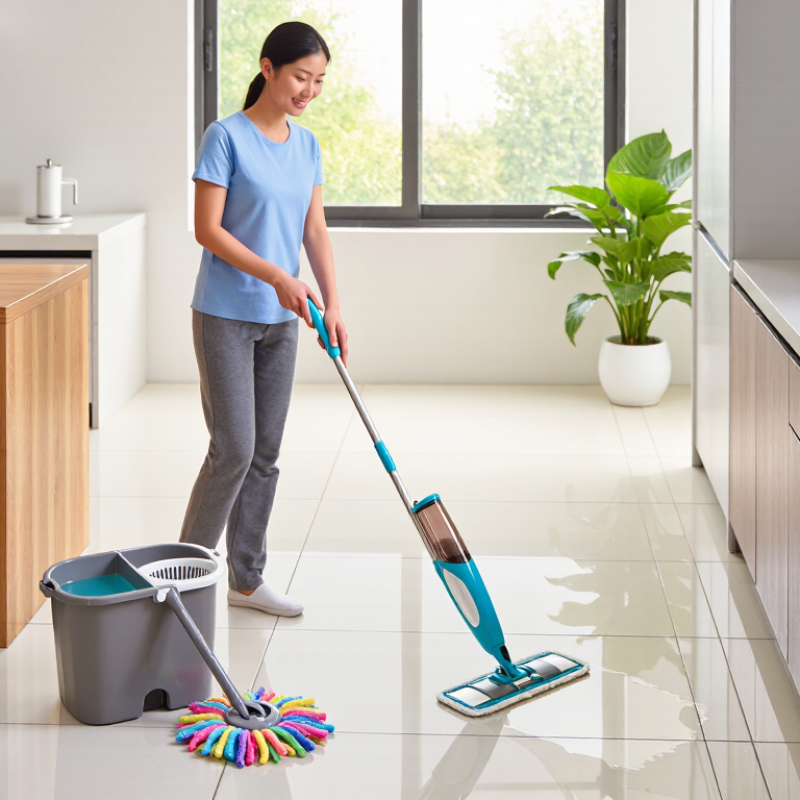
A microfiber mop can reduce water use by replacing repeated rinsing with controlled water dosing. Instead of soaking the mop head, spray or pour a small measured amount onto the fibers. The mop should feel damp, not dripping. This helps lift dust and light spills while leaving less water on the floor. It also reduces the dirty water carried across different rooms.
In my experience, a 500-milliliter bottle can handle several small rooms when the floor is lightly soiled. I divide the area into sections and rinse the mop only when the fibers look visibly dirty. For kitchens, I use a separate pass after removing grease, because one damp mop cannot clean every surface equally well. Washable microfiber pads should be cleaned according to their care instructions, without fabric softener, which may reduce absorbency.
Small details matter. Wring gently. Use less water near wood edges and unsealed joints. Most sealed hard floors dry quickly with a damp mop, but manufacturers’ care guidance should take priority. I sometimes add too much water when facing dried stains. That feels efficient, yet it usually creates more work and longer drying time. A short pause helps; loosen the spot with a damp cloth, then mop with controlled moisture. Five seconds can save a rinse.
China Top Cleaning Tools: How to Save Water at Home?
Efficient washing machines can reduce household water use without leaving clothes half-clean. According to the U.S. Environmental Protection Agency’s ENERGY STAR data, certified clothes washers use up to 33% less water than standard models. That difference matters during weekly laundry. A full load may need fewer fill cycles, while automatic sensors adjust water levels to the fabric volume. Choose cold-water settings when suitable, and avoid washing one shirt alone. Small loads waste the advantage.
Dishwashers also deserve attention. EPA guidance reports that efficient dishwashers use about 3.2 gallons per cycle, compared with roughly 5 gallons for standard models. Scrape plates instead of rinsing them under running water. Keep the filter clear, because trapped food can reduce cleaning performance. The U.S. Department of Energy notes that efficient appliances can lower both water and energy demand, but household results vary with cycle choices and maintenance. I still sometimes run a machine too early. That is not efficient.
Look for verified efficiency labels, low-water cycle options, and clear annual water-use estimates. A 2024 appliance report from the American Council for an Energy-Efficient Economy also emphasizes whole-life savings, including operation and maintenance. Do not judge a machine by its purchase price alone. A cheaper model may consume more water for years. Measure your routine: laundry frequency, family size, and local water costs all change the calculation.
Efficient washing machines use about 14 gallons of water per load, compared with approximately 20 gallons for standard models. This represents roughly 33% less water used for each wash cycle.
Data shown in U.S. gallons per load. Source: U.S. Environmental Protection Agency ENERGY STAR washing machine efficiency information.
Water-saving cleaning starts with tools that work properly. A dripping spray bottle can waste water during every cleaning session. Check its trigger, nozzle, and seal before use. Fill the bottle halfway and leave it upright overnight. A wet ring underneath signals a hidden leak. Replace worn washers when possible. Do not ignore small drips.
Mop heads also need careful maintenance. Rinse them in a basin instead of running water continuously. Press the mop firmly, but avoid twisting it until the fibers weaken. A damaged head spreads dirt and demands repeated rinsing. That uses more water. Wash reusable cloths after each heavy cleaning task. Air-dry them fully to prevent musty odors and bacterial growth.
“ I once kept using a loose spray nozzle because the leak seemed minor. It made the floor wetter, not cleaner. That mistake changed my routine. Now I test handles, seals, and hose connections each month. A squeegee with a cracked rubber edge also leaves streaks, causing extra passes. Store tools away from direct sunlight and freezing temperatures. Small repairs may feel inconvenient. They often protect both water-saving performance and cleaning quality.
Household leaks can waste about 10,000 gallons annually. A worn toilet flapper, dripping faucet, or loose connection may cause the loss.
Check beneath sinks, around the toilet base, and near the washing machine. Dry each area with a clean cloth, then inspect it again later.
Record the water meter before bed. Avoid water use overnight, then compare the reading in the morning. Irrigation systems may affect the result.
Some leaks appear only when pipes become warm or pressurized. Repeat the test monthly and record changes. One inspection is not enough.
Collect unused warm-up water in a bucket. Use it for floors or suitable outdoor plants. Avoid storing it near electrical areas.
Apply a small, measured amount of water. The mop should feel damp, not dripping. A 500-milliliter bottle may clean several lightly soiled rooms.
Divide the floor into sections and rinse only when the fibers look visibly dirty. Use a separate pass after removing kitchen grease. Keep wood edges nearly dry.
Efficient washing machines may use up to 33% less water than standard models. Efficient dishwashers may use about 3.2 gallons per cycle.
Run full laundry loads and avoid washing one shirt alone. Scrape plates instead of rinsing them under a running tap. Keep the dishwasher filter clear.
I sometimes add too much water to dried stains. That creates more work and longer drying time. Pause briefly, loosen the spot, then mop gently.
How to save water during home cleaning starts with understanding where water is being wasted. Check faucets, pipes, hoses, and cleaning equipment for leaks, since even small leaks can waste thousands of gallons each year. Replacing inefficient faucets and spray tools with water-saving options can reduce flow while still providing enough pressure for daily tasks. Simple habits, such as turning off the tap while preparing supplies, can also make a noticeable difference.
Microfiber mops are another practical choice because they clean effectively with a controlled amount of water, reducing the need for repeated rinsing. When washing clothes or reusable cleaning materials, choose efficient machines that use less water per cycle, and run full loads whenever possible. Finally, inspect and maintain all cleaning tools regularly. Repairing leaks, replacing damaged parts, and keeping spray nozzles clear will help preserve water-saving performance and support a cleaner, more sustainable home.
Greene Home