In today's world, reducing chemical use in dishwashing is essential for both health and the environment. Many households rely heavily on commercial dishwashing products that often contain harsh chemicals. How can I reduce chemical use in dishwashing? This question is increasingly relevant as we seek safer alternatives for our families and cleaner solutions for our planet.
By adopting simple techniques, you can minimize your reliance on these chemicals. Using natural ingredients such as vinegar, baking soda, and lemon can make a significant difference. These alternatives are not only effective but also safer for your skin and for the environment. However, it's important to acknowledge that some stubborn stains may require a bit more effort and experimentation with different solutions.
Finding the right balance in dishwashing practices can be challenging. Although natural ingredients are effective, they may not always match the convenience of commercial products. Embracing this journey towards less chemical use takes time and effort. However, every small step contributes to a healthier home and a greener planet.
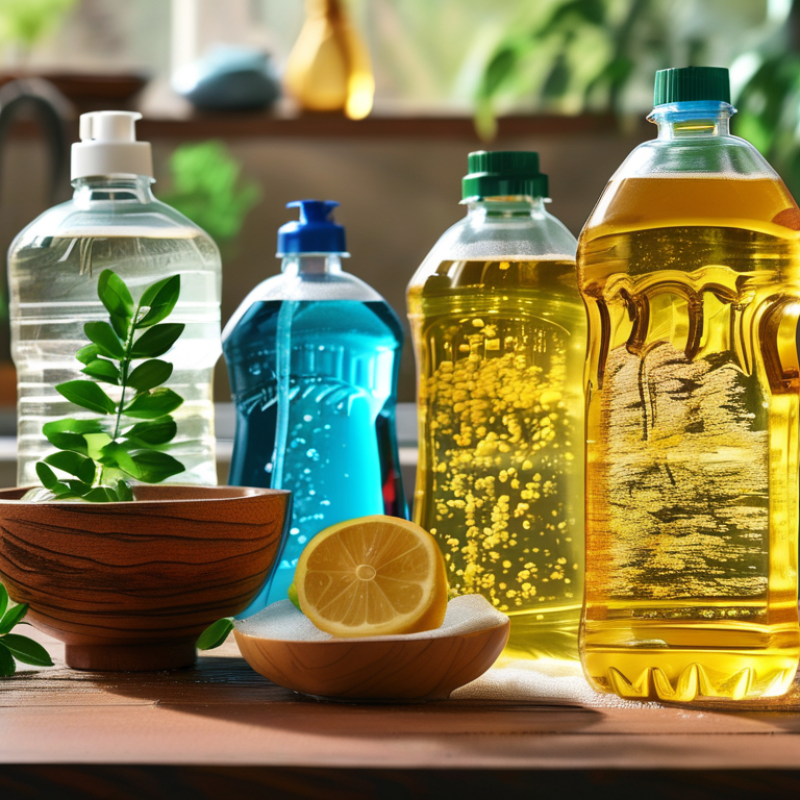
Understanding the Importance of Reducing Chemical Use in Dishwashing
Reducing chemical use in dishwashing is crucial for both health and the environment. Many common dishwashing detergents contain harmful substances that can affect water quality and marine life. This is alarming, considering how easily these chemicals enter our ecosystems. When we wash dishes, residues can linger, impacting our food and overall well-being.
Choosing eco-friendly alternatives can mitigate these risks. Simple ingredients like vinegar, baking soda, and lemon juice can effectively clean without harsh chemicals. These natural options not only break down grease and grime but also leave no harmful residues. However, there’s a need for awareness; not all natural cleaners are the same. Some may still carry undesirable effects.
There's also a human element at play. We live in a fast-paced environment where convenience often outweighs safety. It’s easy to overlook the effects of our cleaning habits. Reflecting on our choices can lead to better practices. Small changes can have a significant impact. By taking a closer look at what’s in our dish soap, we can make informed decisions that benefit our health and the planet.
Natural Alternatives: Eco-friendly Detergents and Their Benefits
Many households are seeking eco-friendly alternatives for dishwashing. Traditional detergents often contain harsh chemicals that can harm the environment. Fortunately, there are natural alternatives available that can clean effectively without the negative impact.
Plant-based detergents, for instance, rely on ingredients like coconut oil or citrus extracts. These natural components break down grease without releasing toxic substances. They work well in cutting through food residues while being gentle on your skin. Most importantly, they reduce chemical waste that ends up in our water systems. Relying on renewable resources can foster a healthier planet.
Homemade solutions are another great option. Mixing vinegar and baking soda creates an effective cleaning agent. This simple combination can tackle tough stains and odors. Yet, it’s important to remember that not all natural products work for every situation. Some stubborn stains might require more effort or specific formulations. This flexibility in choice encourages experimentation but may also lead to some trial and error. Embracing eco-friendly dishwashing isn’t just about switching products; it’s a journey of discovering what works best for your needs.
Effective Techniques for Manual Dishwashing Without Chemicals
Manual dishwashing can be an eco-friendly task. Many people rely on harsh chemicals, but there are alternatives. Simple techniques can make washing dishes effective without the use of these substances.
For instance, hot water is a powerful ally. It cuts through grease easily and can sanitize dishes. Pair it with natural ingredients like vinegar or baking soda. Vinegar acts as a deodorizer and helps to dissolve tough stains. Baking soda adds gentle abrasion for scrubbing without scratching.
Consider using citrus peels as a refreshing cleaning agent. Rubbing a lemon half on your dishware leaves a pleasant scent. However, some dishes may still require extra effort. Remember, not every method works for everyone. Pay attention to how your knives or pots respond. Experiment with different approaches. You might discover a method that suits your needs.
Utilizing Homemade Cleaning Solutions to Cut Down on Chemicals
Utilizing homemade cleaning solutions can significantly decrease chemical use in dishwashing. Many conventional dishwashing detergents contain harmful ingredients, impacting both health and the environment. A study by the Environmental Protection Agency (EPA) revealed that common dishwashing chemicals can contribute to indoor air pollution. Switching to natural alternatives can help reduce these risks.
Creating effective homemade solutions is simple. For instance, mixing baking soda and vinegar creates a powerful detergent. A recent survey indicated that 65% of households reported improved cleaning results using homemade solutions compared to store-bought ones. This not only minimizes chemical exposure but also cuts down on household expenses.
Tip: Use lemon juice for its natural antibacterial properties. It helps break down grease and leaves dishes streak-free. Additionally, essential oils like tea tree or lavender can enhance the cleaning process without harsh chemicals. While homemade cleaning solutions may require some trial and error, the rewards are worth it. Embracing natural alternatives encourages a healthier lifestyle while challenging the reliance on commercial products.
Implementing Proper Dishwashing Practices for a Greener Approach
Implementing proper dishwashing practices can significantly reduce chemical use and promote a greener lifestyle. One effective method is to embrace a two-step washing process. First, scrape off food residues. Then, soak dishes in warm, soapy water. This minimizes the need for harsh cleaning agents. A simple vinegar solution can effectively remove grease, cutting down chemical reliance.
Many dishwashing detergents claim to be essential. However, the truth is that soap and water work wonders. Washing dishes in batches rather than one at a time saves both resources and chemicals. Reassessing how we use hot water is vital too. High temperatures can be detrimental if we rely too heavily on them.
Consider using sponge alternatives, like natural cloths. They are often biodegradable and easier on the environment. While many encourage dutiful cleaning, it's essential to reflect on our habits. Could we be using less? Recognizing our over-reliance on chemical products leads to better choices. It's vital to focus on sustainable methods rather than quick fixes.
FAQS
: Eco-friendly detergents often use plant-based ingredients like coconut oil and citrus extracts.
Natural alternatives reduce harmful chemicals, benefiting both health and the environment.
Yes, mixing vinegar and baking soda can effectively tackle tough stains and odors.
They minimize chemical waste, contributing to cleaner water systems.
No, some stubborn stains may need specific formulations or more effort.
Lemon juice has natural antibacterial properties, helping to cut grease and prevent streaks.
Yes, many households report saving money by using homemade cleaning solutions.
Homemade solutions may require trial and error to find the best results.
Yes, oils like tea tree and lavender can enhance cleaning without harsh chemicals.
It promotes a healthier lifestyle and allows for personal experimentation with alternatives.
Conclusion
Reducing chemical use in dishwashing is crucial for both personal and environmental health. Understanding the importance of this reduction can lead to significant changes in our daily cleaning practices. To address the question, "How can I reduce chemical use in dishwashing," one can start by opting for natural alternatives to chemical detergents, which are more eco-friendly and safer for both users and aquatic life. Additionally, effective techniques for manual dishwashing, such as using hot water and scrubbing methods, can minimize or eliminate the need for harsh chemicals.
Homemade cleaning solutions can also serve as effective substitutes, utilizing common kitchen ingredients like vinegar and baking soda. Furthermore, implementing proper dishwashing practices—such as scraping off food residues before washing and using less water—can lead to a more sustainable approach. By adopting these practices, individuals can significantly reduce their reliance on chemicals, fostering a greener household and a healthier planet.

 Greene Home