In an era where sustainability is vital, many are exploring how to make your own natural cleaning products. These products not only reduce chemical exposure but also promote a healthier home. By creating your own cleaners, you can choose safe and effective ingredients. Plus, it’s often more economical than store-bought versions.
Crafting your own cleaning solutions allows for creativity and personalization. However, the process can be challenging. You may encounter unexpected results or less-than-perfect outcomes. It's essential to learn from these experiences and adjust recipes. Experimenting with natural ingredients like vinegar, baking soda, and essential oils can lead to powerful cleaning solutions.
While the journey can be imperfect, the benefits are significant. You gain control over what goes into your home and the environment. By learning how to make your own natural cleaning products, you empower yourself and contribute to a healthier planet. Embrace the process, and remember, every attempt brings you closer to your ideal cleaner.
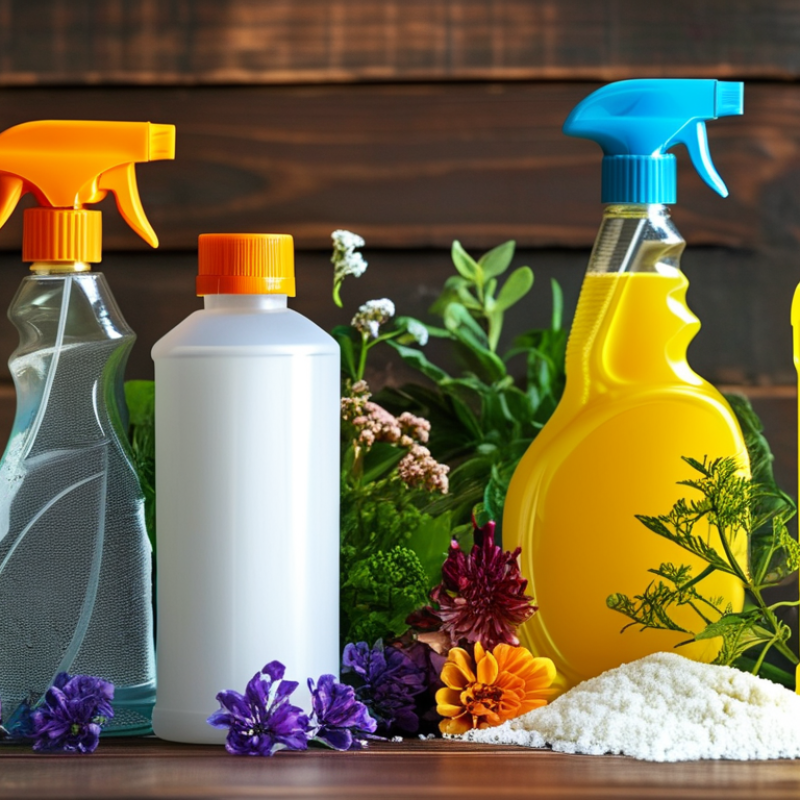
Understanding the Benefits of Natural Cleaning Products
Understanding the benefits of natural cleaning products is essential in today’s eco-conscious world. These products are often made from simple ingredients like vinegar, baking soda, and essential oils. They are free from harsh chemicals, making them safer for your family and pets. Cleaning with natural products reduces indoor air pollution, improving overall health.
Many commercial cleaners contain toxins. Regular exposure may lead to respiratory issues or skin irritation. Natural cleaners, on the other hand, are biodegradable. They won’t harm the environment when washed away. Using natural options can help create a healthier home environment. However, effectiveness can be inconsistent. Some stains or grime may require repeated efforts to clean.
Choosing natural cleaning products presents a learning curve. You might need to experiment with different mixtures to find what works best for you. Sometimes, the scent of vinegar or the texture of baking soda may not be what you expect. The journey to discovering effective natural cleaning solutions can be rewarding, though. It encourages mindfulness about what you bring into your home.
Common Ingredients for Homemade Cleaning Solutions
Making your own natural cleaning products is both eco-friendly and cost-effective. Many common ingredients can help create effective solutions. Vinegar is a powerhouse ingredient known for its disinfecting properties. It can tackle hard water stains and grease with ease. Baking soda adds a gentle abrasive quality, making it great for scrubbing surfaces. Together, these two can work wonders in your kitchen and bathrooms.
Lemon juice is another excellent ingredient. Its acidity helps cut through grime and adds a fresh scent. Essential oils like tea tree or lavender can enhance any cleaning product. They bring antimicrobial properties and a pleasant aroma. Hydrogen peroxide is often overlooked. It acts as a natural bleach and disinfectant. Combine these ingredients for an all-purpose cleaner that outperforms many commercial products.
Experimenting with these ingredients can sometimes lead to unexpected results. You may find that a mixture doesn’t work as well as you hoped. Adjusting proportions or trying different combinations can lead to improvements. Remember that natural cleaners may not always provide instant gratification. However, giving them time can lead to great outcomes while keeping your home safe and chemical-free.
Step-by-Step Guide to Making All-Purpose Cleaner
Creating your own all-purpose cleaner can be rewarding and eco-friendly. Start with a simple recipe that includes white vinegar, water, and essential oils. Mix one part vinegar with one part water in a spray bottle. Add ten drops of your favorite essential oil for a refreshing scent. Lavender oil can promote relaxation, while tea tree oil has natural antibacterial properties.
When making your cleaner, consider the surfaces you'll be cleaning. Vinegar is effective on glass and counters but shouldn't be used on natural stone. Using the right ingredients is crucial. Test your cleaner on a small, hidden area first. This helps ensure it doesn’t damage your surfaces.
Your DIY cleaner may not provide the same results every time. If streaks appear on glass, try adjusting the concentration of vinegar. Experiment with different oils until you find a combination that works for you. Remember, it might take a few tries to perfect your formula. Embrace the learning process. Your homemade cleaner will not only help the environment but can also be safer for your home.
Creating Safe and Effective Window Cleaning Solutions
Creating your own natural window cleaning solutions can be both rewarding and effective. A simple mixture of equal parts water and white vinegar does wonders. It cleans glass without leaving streaks. For added freshness, consider adding a few drops of your favorite essential oil. This small touch can make a routine chore much more enjoyable.
It’s essential to use the right tools. A microfiber cloth is excellent for wiping away dirt and grime. It captures dust and doesn’t scratch surfaces. You might find an old newspaper useful as well. It can leave windows crystal clear if used correctly. Remember to avoid abrasive sponges to preserve the integrity of your glass.
You may encounter challenges along the way. Not every homemade solution works perfectly for everyone. Different water qualities and types of dirt can affect results. Trial and error can lead to improved formulas over time. Sometimes, a little patience is necessary to achieve optimal clarity on your windows. Adjusting proportions can help you find what works best for your cleaning style.
10 Best Ways to Make Your Own Natural Cleaning Products - Creating Safe and Effective Window Cleaning Solutions
| Method |
Ingredients |
Instructions |
Effectiveness |
| Vinegar Solution |
1 cup white vinegar, 1 cup water |
Mix in a spray bottle and apply to windows. Wipe with a microfiber cloth. |
Highly effective at cutting through grime. |
| Baking Soda Paste |
½ cup baking soda, water |
Mix into a paste, apply to tough spots, scrub, and rinse. |
Great for stubborn stains. |
| Castile Soap |
2 tablespoons liquid Castile soap, 1 quart water |
Combine ingredients in a spray bottle, shake, and use. |
Effective on both glass and surface dirt. |
| Lemon Juice Cleaner |
½ cup lemon juice, 1 cup water |
Mix and apply with a cloth, buff clean. |
Fresh scent and removes streaks. |
| Essential Oil Mix |
10 drops essential oil (e.g., tea tree), 1 cup water |
Combine in a spray bottle and use as needed. |
Natural antibacterial properties. |
| Cornstarch Shine |
¼ cup cornstarch, water |
Mix into a paste, apply and buff clean. |
Leaves glass sparkling. |
| Rubbing Alcohol Cleaner |
1 cup rubbing alcohol, 1 cup water |
Combine and spray on surface, wipe dry. |
Effective for streak-free finish. |
| Hydrogen Peroxide Solution |
1 cup hydrogen peroxide, 1 cup water |
Mix and use with a microfiber cloth. |
Disinfects while cleaning. |
| Coffee Filter Wipe |
Used coffee filter, any cleaner |
Dampen filter with cleaner and wipe down. |
Prevents lint and streaks. |
Tips for Storing and Using Homemade Cleaning Products
Storing your homemade cleaning products properly is crucial for maintaining their effectiveness. Glass containers are often the best option. They are non-reactive and won’t leach chemicals. A study highlighted that glass can preserve the integrity of natural ingredients better than plastic. Make sure to label each container with the product name and date of creation. This practice not only helps in tracking freshness but also reduces the risk of accidents.
Keep your homemade cleaners in a cool, dark place to extend their shelf life. Many natural ingredients can degrade when exposed to light or heat. For example, vinegar solutions can lose potency if not stored correctly. It’s also wise to test any new cleaning product on a small area first. This precaution helps prevent unexpected reactions on surfaces. Creating your products allows for customization, yet it demands careful attention to detail.
While using natural cleaners reduces chemical exposure, hygiene must not be overlooked. Regularly inspect your stored products for any signs of spoilage or changes in smell. Depending on formulation, some cleaners may have a shorter shelf life than others. Engaging with a cleaning expert can provide additional insight. It’s advisable to gather knowledge from reliable sources. The right practices make a significant difference in effectiveness and safety.
Conclusion
In recent years, there has been a growing interest in eco-friendly household solutions, prompting many to seek out ways to reduce their reliance on commercial cleaning products. Understanding the benefits of natural cleaning products is the first step towards a more sustainable lifestyle. By utilizing common ingredients such as vinegar, baking soda, and essential oils, anyone can learn how to make their own natural cleaning products that are both safe and effective.
A step-by-step guide to making an all-purpose cleaner showcases the simplicity of these recipes, while specialized solutions, like those for window cleaning, further demonstrate the versatility of homemade cleaners. Additionally, proper tips for storing and using these products ensure they remain effective over time. Overall, creating your own natural cleaning solutions can lead to a healthier home environment while being gentle on the planet.

 Greene Home