10 Best Natural Ways to Improve Indoor Air Quality?

Time:2026-08-22 Author:Aria
0%

Indoor air quality is vital for our health and well-being. Poor air can lead to various issues, including allergies and respiratory problems. Many people are unaware of how to improve indoor air quality naturally. It's essential to explore effective and simple methods to enhance the air we breathe.

Natural solutions are often overlooked. They provide a safe alternative to chemical air fresheners and purifiers. Many everyday plants act as natural air purifiers. They absorb toxins and release clean oxygen. Additionally, proper ventilation in your home can significantly impact air quality.

Consider the impact of common household items on your air. Using natural cleaning products can help reduce indoor pollutants. Regularly checking humidity levels is also crucial. High humidity can lead to mold growth, which is harmful. Remember, every action counts. Small changes can lead to a healthier indoor environment. Embracing these methods not only improves air quality but also creates a more inviting space.
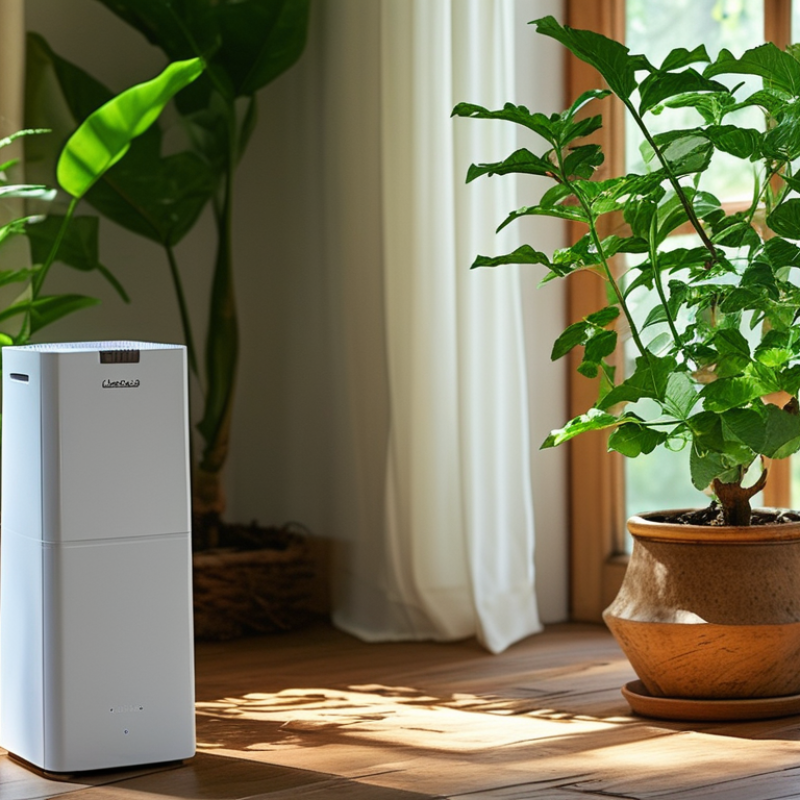
10 Best Natural Ways to Improve Indoor Air Quality?

Understanding Indoor Air Quality and Its Importance

Indoor air quality (IAQ) is vital for our health and well-being. Poor IAQ can lead to various health issues, including allergies and respiratory problems. Therefore, understanding the factors that affect indoor air quality is essential. This awareness allows us to create a healthier environment at home or work. Common pollutants include dust, pet dander, and chemicals from household products. Keeping these at bay can significantly improve the air we breathe.

To enhance indoor air quality, consider adopting a few simple practices. Regular cleaning is crucial. Dust surfaces frequently and vacuum carpets with a high-efficiency particulate air (HEPA) filter. Incorporating houseplants can also help. Plants like spider plants and peace lilies filter harmful toxins while adding beauty to your space. What’s more, ensure proper ventilation in your rooms. Open windows when possible to introduce fresh air and reduce humidity.

In addition to these methods, mindful choices in home décor matter. Use natural materials and avoid synthetic fragrances in candles and air fresheners. If you're renovating, choose low-VOC (volatile organic compounds) paints and finishes. These small adjustments can lead to noticeable improvements in air quality. Remember, each step contributes to a healthier indoor environment, but maintaining consistency is key. Reflect on your habits and their impact regularly.

Common Indoor Air Pollutants and Their Sources

Indoor air quality can be compromised by various pollutants. Common indoor air pollutants include dust mites, pet dander, mold, and volatile organic compounds (VOCs). These pollutants can originate from everyday items like cleaning products, building materials, and even furniture.

To combat these pollutants, regular cleaning is essential. Vacuum carpets frequently. Ensure that your vacuum has a HEPA filter to trap allergens. Use damp cloths for dusting to prevent particles from becoming airborne. Keep humidity levels low to inhibit mold growth.

Plants can also help improve air quality. Certain indoor plants naturally purify the air. However, choose plants wisely; some can attract pests. It’s crucial to avoid overcrowding your indoor space with too many plants, as this can lead to excessive moisture.

Consider using natural air fresheners instead of synthetic options. Baking soda can absorb odors effectively. Open windows when possible to let fresh air circulate. Recognize that even small changes in your home environment can lead to noticeable improvements in air quality.

Natural Methods to Enhance Air Quality with Houseplants

Houseplants are natural air purifiers. They absorb carbon dioxide and release oxygen, enhancing indoor air quality. According to a NASA study, some plants can remove up to 87% of harmful toxins in the air within 24 hours. This makes them effective for combating pollutants like formaldehyde, benzene, and trichloroethylene. Including a variety of plants in your home creates a more balanced environment.

Certain plants excel in improving air quality. Spider plants, snake plants, and peace lilies are popular choices. These plants require minimal maintenance and thrive in various lighting conditions. Their ability to filter indoor air pollutants is well-documented. However, it’s essential to remember that while houseplants aid in air purification, they are not a sole solution. Regular cleaning and proper ventilation are still needed.

Each plant contributes differently, depending on its size and variety. Larger plants can have a more significant impact. Nonetheless, the benefits come with challenges, like occasional care missteps. Overwatering or neglect can hinder their effectiveness. It's crucial to reflect on personal plant care habits to maximize their advantages. This balance between nature and nurture creates a healthier indoor atmosphere.

10 Best Natural Ways to Improve Indoor Air Quality

Method Description Benefits Plants Recommended
Increase Ventilation Open windows and doors to enhance air circulation. Reduces indoor pollutants and enhances freshness. N/A
Houseplants Use plants that absorb toxins and purify air. Improves mood and increases humidity. Snake Plant, Spider Plant, Peace Lily
Air Purifiers Use HEPA filters to remove airborne particles. Eliminates dust, pollen, and allergens. N/A
Regular Cleaning Dust and vacuum regularly to reduce pollutants. Decreases allergens and improves overall cleanliness. N/A
Use Beeswax Candles Burn beeswax candles to purify air. Reduces indoor toxins and improves air quality. N/A
Humidity Control Maintain optimal humidity levels (30-50%). Prevents mold growth and improves comfort. N/A
Essential Oil Diffusers Use diffusers with oils like lavender and eucalyptus. Promotes relaxation and eliminates odors. N/A
Prevent Smoking Indoors Prohibit smoking inside to maintain clean air. Reduces harmful chemical exposure. N/A
Avoid Synthetic Fragrances Choose natural scents over artificial air fresheners. Reduces indoor air pollutants. N/A

Effective Ventilation Techniques for Improved Air Circulation

Effective ventilation is crucial for enhancing indoor air quality. Research indicates that effective air circulation can reduce indoor pollutants by up to 50%. Poor air exchange leads to the accumulation of dust, allergens, and volatile organic compounds. Homes that lack proper ventilation can trap these harmful particles, aggravating respiratory issues.

Implementing effective ventilation techniques is essential. Opening windows regularly can significantly improve air flow. Cross-ventilation, where air flows from one window to another, creates a refreshing breeze. Installing exhaust fans in kitchens and bathrooms helps remove moisture and odors. These fans should be used frequently, especially while cooking or after showers.

Consider adding air purifiers with high-efficiency particulate air (HEPA) filters. They capture at least 99.97% of particles. Regular maintenance of your HVAC system is also vital. Schedule inspections to ensure filters are clean and ducts are unobstructed. This practice can prevent dust build-up and promote healthier air.

Make it a habit to monitor indoor humidity levels. Levels between 30-50% are ideal for comfort and good health. High humidity can foster mold, while low humidity can lead to dry skin and respiratory discomfort. By focusing on ventilation and moisture control, you can create a healthier living environment.

Utilizing Essential Oils and Natural Scents for Cleaner Air

Enhancing indoor air quality can be as simple as incorporating essential oils and natural scents. Recent studies indicate that household air can be up to five times more polluted than outdoor air. This pollution is frequently due to common household products and furnishings. Essential oils can act as natural air purifiers. Many essential oils, like tea tree and eucalyptus, have antimicrobial properties. These oils can help reduce airborne bacteria and fungi. Their potent scents can also improve mood and cognitive function.

Creating a blend of oils can be an effective way to clean the air. A mix of lime, lavender, and peppermint not only smells fresh but can also uplift energy levels. Interestingly, a report from the Journal of Environmental Health suggests that diffusing essential oils can decrease harmful airborne pathogens by over 90%. However, it’s essential to note that some individuals may have sensitivities to specific oils. Testing for reactions is wise before full implementation in your home.

Incorporating natural scents doesn't stop at essential oils. Biophilic design, which involves using plants, can also boost air quality. Studies show certain plants, such as spider plants and peace lilies, can filter toxins effectively. While these methods can enhance air quality, they are not one-size-fits-all solutions. Regular maintenance and understanding of personal sensitivities are crucial for achieving the best indoor environment. Finding the right balance takes time and experimentation.

FAQS

: What are common indoor air pollutants?

: Common indoor air pollutants include dust mites, pet dander, mold, and volatile organic compounds (VOCs).

How can regular cleaning improve indoor air quality?

Vacuuming carpets frequently helps remove allergens. Use a HEPA filter in your vacuum.

What plant choices can enhance air quality?

Spider plants, snake plants, and peace lilies are great options. They filter pollutants effectively.

Can houseplants completely purify indoor air?

No, houseplants help but aren’t a sole solution. Regular cleaning and ventilation are still needed.

How does humidity affect indoor air quality?

Low humidity levels inhibit mold growth, which is essential for clearer air.

What are natural ways to freshen the air?

Use baking soda to absorb odors. Open windows to allow fresh air in.

Are there risks to overcrowding indoor plants?

Yes, overcrowding can lead to excessive moisture, which may attract pests.

What should I consider when caring for houseplants?

Reflect on your care habits; overwatering or neglect can reduce their effectiveness.

How do plants contribute differently to air quality?

The size and variety affect their impact. Larger plants can purify air more effectively.

What small changes can improve air quality at home?

Simple actions like dusting with damp cloths or using natural air fresheners can make a difference.

Conclusion

Indoor air quality is crucial for maintaining a healthy living environment, yet many are unaware of common indoor pollutants and their sources. This article outlines effective ways to improve indoor air quality naturally, emphasizing the importance of recognizing these contaminants. Incorporating houseplants can be an excellent method, as many species are known to purify the air by absorbing toxins and releasing oxygen.

Additionally, implementing effective ventilation techniques can significantly enhance air circulation, ensuring a steady flow of fresh air while reducing stagnation. Utilizing essential oils and natural scents not only contributes to a pleasant atmosphere but also aids in keeping the air clean. By exploring these natural methods, you can learn how to improve indoor air quality naturally, creating a healthier space for you and your family.

Aria

Aria

Aria is a dedicated marketing professional with a deep passion for innovative strategies and a keen understanding of our company's product offerings. With a wealth of experience in the industry, Aria excels at crafting engaging content that highlights the unique features and benefits of our......