A bathroom can look clean while quietly wasting water, energy, and plastic. Dripping taps, harsh chemical residues, disposable wipes, and poorly ventilated walls create avoidable environmental costs. Small maintenance choices matter, especially when repeated every week.
So, what are eco-friendly bathroom maintenance tips? They include repairing leaks quickly, choosing refillable cleaning products, washing reusable cloths, and improving airflow after showers. A five-minute inspection can reveal a loose tap, a damp seal, or a nearly empty plastic bottle. These details are easy to miss. They are also practical starting points.
Zero-waste living expert Bea Johnson promotes a simple principle: “Refuse, reduce, reuse, recycle, rot.” Her words fit bathroom care surprisingly well. Refuse unnecessary packaging. Reduce hot-water use. Reuse durable tools. Recycle suitable containers. Let compostable materials return safely to nature, where appropriate. This approach supports cleaner habits without demanding perfection.
Some popular “green” advice is incomplete. Vinegar may damage certain stone surfaces, and homemade cleaners can fail when stored poorly. Never mix cleaning chemicals. Check product labels and surface instructions. A safer routine combines reliable guidance with careful observation.
The seven maintenance ideas ahead focus on realistic actions. They address water use, cleaning methods, ventilation, product choices, and waste. Expect a few habits that challenge convenience. That is useful. Eco-friendly maintenance is not flawless; it is a process of noticing waste and correcting it before it becomes routine.
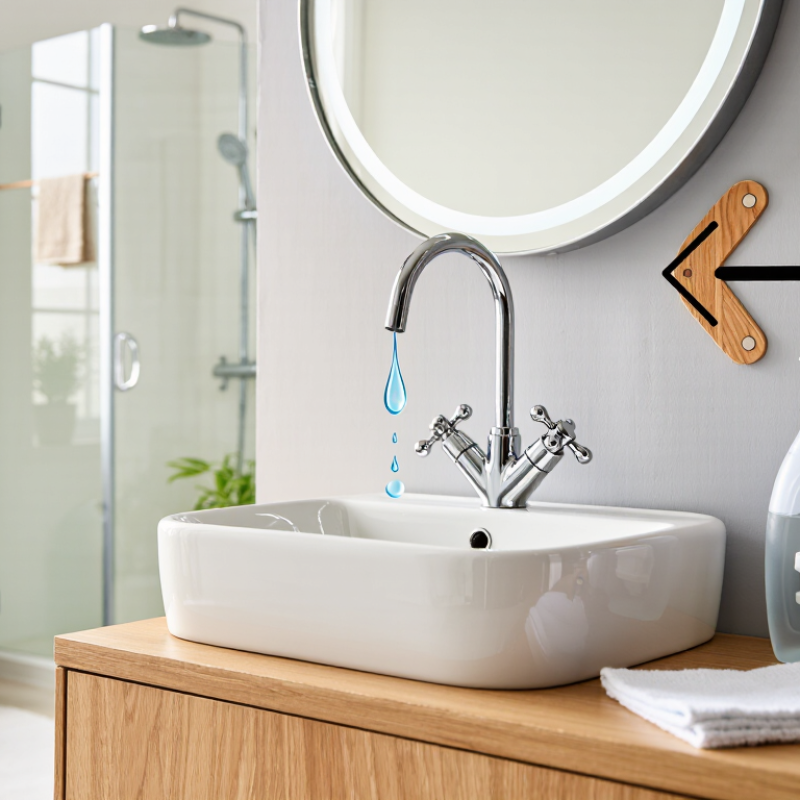
7 Best Eco-Friendly Bathroom Maintenance Tips
Understanding eco-friendly bathroom maintenance means treating water, energy, and materials as connected resources. During weekly cleaning, I check the toilet base, tap joints, and shower hose for tiny drips. The U.S. Environmental Protection Agency reports that household leaks can waste nearly 10,000 gallons of water annually. A tissue placed beneath a pipe can reveal moisture before stains appear.
Use a refillable spray bottle with diluted, low-impact cleaning ingredients, and choose washable cloths instead of disposable wipes. Never mix cleaning chemicals. It can create dangerous fumes. The U.S. Department of Energy states that water heating accounts for about 18% of household energy use. Shorter showers, moderate temperatures, and repairing hot-water leaks can reduce both energy and water demand. A simple timer helps, although I sometimes ignore it.
Ventilation also deserves attention. Run the exhaust fan during bathing and for several minutes afterward. Drying the room quickly helps limit mold growth and protects paint, grout, and sealants. The World Health Organization links damp indoor environments with respiratory health concerns, so maintenance supports more than appearance. I used to scrub harder when grout darkened. That was wasteful. Gentle cleaning, prompt drying, and occasional sealant checks usually work better. Inspect the showerhead monthly, clear mineral buildup carefully, and replace cracked parts before they spread damage.
| No. | Maintenance Tip | Recommended Frequency | Practical Benchmark | Environmental Benefit | Safe and Sustainable Practice |
|---|---|---|---|---|---|
| 1 | Repair leaking faucets, showerheads, and pipes promptly. | Check monthly; repair as soon as a leak is found. | A faucet dripping once per second can waste more than 3,000 gallons of water per year. | Reduces treated-water waste and the energy used for pumping and heating water. | Replace worn washers or seals, and inspect connections for moisture after repairs. |
| 2 | Clean and maintain the showerhead and faucet aerators. | Inspect every 3 months; remove mineral deposits when flow becomes uneven. | Efficient showerheads use no more than 2.0 gallons per minute; efficient bathroom faucets use no more than 1.5 gallons per minute. | Lower flow can reduce water consumption while preserving useful water pressure. | Soak removable parts in diluted white vinegar, rinse thoroughly, and never mix vinegar with chlorine bleach. |
| 3 | Test the toilet for silent leaks. | Test every 3 months and whenever the toilet runs unexpectedly. | A leaking toilet can waste approximately 200 gallons of water per day, depending on the leak rate. | Prevents continuous water loss and reduces unnecessary wastewater treatment. | Add a few drops of food coloring to the tank; if color appears in the bowl without flushing, replace the faulty flapper or fill-valve component. |
| 4 | Use a water-efficient toilet and maintain its flush mechanism. | Inspect the tank components every 6 months. | Modern efficient toilets use about 1.28 gallons per flush or less, compared with older toilets that may use 3.5 to 7 gallons per flush. | Can substantially reduce household toilet-water use without changing normal bathroom habits. | Adjust the fill level only according to the manufacturer’s instructions; do not place bricks or improvised objects inside the tank. |
| 5 | Choose low-impact cleaning methods and concentrated products. | Clean weekly; deep-clean grout, drains, and fixtures monthly. | Use only the amount needed, follow the product dilution instructions, and avoid routine antibacterial chemicals when ordinary cleaning is sufficient. | Reduces packaging waste, chemical discharge, and unnecessary transport emissions. | Use reusable microfiber cloths, ventilate the room, and never mix bleach with acids, ammonia, or other cleaners. |
| 6 | Prevent mold and moisture damage through ventilation. | Run the exhaust fan during showers and for about 20 minutes afterward; inspect monthly. | Keep bathroom surfaces dry, clean visible condensation, and maintain clear airflow around vents. | Extends the life of paint, sealant, grout, and fixtures, reducing replacement materials and waste. | Clean the fan grille regularly and repair damaged caulk around tubs, showers, sinks, and toilets. |
| 7 | Reduce hot-water use and maintain the water-heating system. | Review habits monthly; inspect the water heater and visible insulation annually. | A five-minute shower using a 2.0-gallon-per-minute fixture uses about 10 gallons of water. | Shorter showers and lower hot-water demand reduce energy use and utility costs. | Repair hot-water leaks, insulate accessible hot-water pipes where appropriate, and set the water-heater temperature safely according to local guidance. |
| Note: Water-use figures are practical reference values. Actual savings vary with fixture flow rate, household size, leak severity, shower duration, local water pressure, and maintenance quality. | |||||
Check faucets, shower connections, and toilet bases each month. Place a dry cloth under fittings overnight. Damp fabric reveals slow leaks.
Repair worn washers or loose seals first. Replace the whole fixture only when repair is unreasonable. I sometimes replace things too quickly.
Clean the showerhead and aerator every few months. Mineral buildup restricts openings and encourages higher water flow. Use a timer for shorter showers.
Catch cold water in a bucket. Use it for toilet flushing or suitable houseplants. Keep the bucket stable.
Wash towels in full loads with warm water when hygiene allows. Turn off lights and heated floors when the room is empty.
Run the exhaust fan during bathing and for about twenty minutes afterward. Leave the door partly open. Clean the fan grille each season.
Wipe tile edges, toilet bases, and tub seals after showers. Dry hidden edges carefully. A microfiber cloth often works better than repeated strong cleaning.
Choose washable cloths, durable brushes, and refillable containers. Use only enough mild cleaner to cover the surface. Never mix cleaning chemicals. Dangerous fumes form quickly.
This guide explains what are eco-friendly bathroom maintenance tips and why they matter for a healthier home and a cleaner environment. Sustainable upkeep begins with choosing low-impact cleaning products and reusable tools that reduce harsh chemical exposure, packaging waste, and unnecessary consumption. Simple habits, such as using measured amounts of cleaner and selecting durable cloths or brushes, can make regular maintenance more responsible.
The article also explores ways to reduce water and energy use, including fixing leaks, taking shorter showers, and improving ventilation without wasting power. Preventing mold through prompt drying and routine cleaning helps protect indoor air quality, while careful waste separation keeps harmful substances out of drains and natural waterways. By applying seven practical practices—conserving resources, limiting chemicals, reusing supplies, preventing moisture buildup, and disposing of waste properly—anyone can maintain a cleaner, safer, and more sustainable bathroom.

 Greene Home