2026 Best Natural Ingredients to Replace Harsh Cleaners?

Time:2026-11-03 Author:Liam
0%

Interest in lower-impact cleaning is growing, but “natural” does not automatically mean safer or more effective. Grand View Research estimated the global green cleaning products market at about $3.9 billion in 2023, projecting continued growth through 2030. That market signal reflects consumer demand, not proof that every kitchen ingredient can replace a tested cleaner.

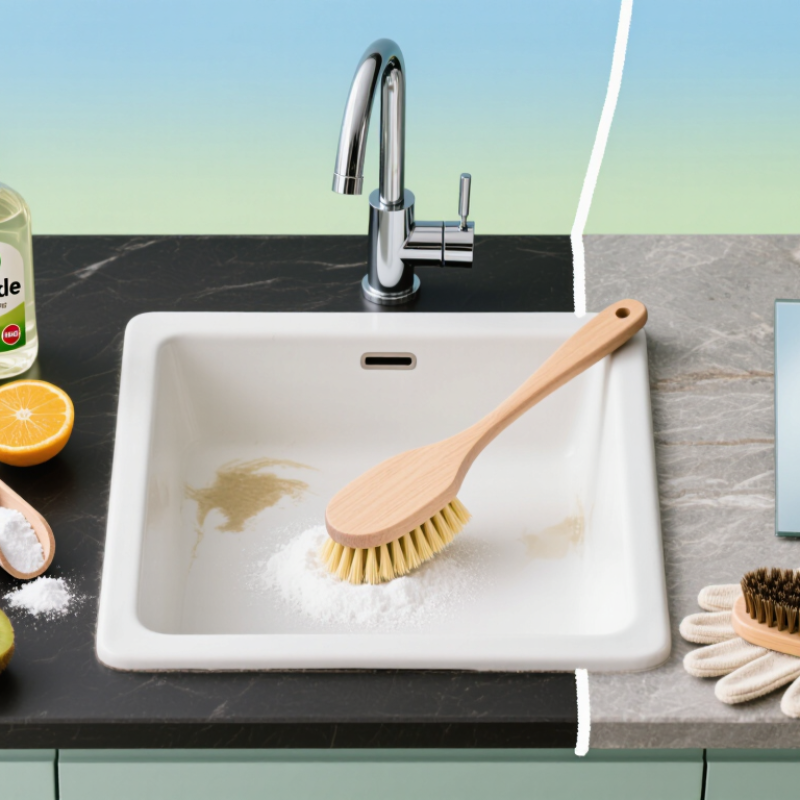
So, What natural ingredients can replace harsh cleaners? Vinegar can help loosen mineral deposits on some surfaces, while baking soda offers mild abrasion for a stained sink. Castile soap can lift everyday grease when diluted appropriately. Results vary. A stone countertop, greasy oven, and bathroom mirror do not need the same formula. And some surfaces may be damaged by acidic ingredients.

The U.S. Environmental Protection Agency’s Safer Choice program evaluates product ingredients and performance criteria; it does not certify an ingredient as universally harmless. That distinction matters. Never mix cleaning products, and follow surface-care instructions. A homemade mixture may leave residue, or simply fail to disinfect. That part is easy to overlook. This guide compares practical alternatives, where they work, and where a purpose-made product remains the more reliable choice. It also flags common mistakes, because a cleaner that smells mild can still irritate skin or damage a finish.
2026 Best Natural Ingredients to Replace Harsh Cleaners?

What Makes a Natural Cleaning Ingredient Effective?

A natural cleaning ingredient is effective when it matches the soil, surface, and job. Acidity can help loosen mineral deposits, while mild abrasives can lift dried residue through gentle friction. A damp cloth and a small amount of baking soda may help with a mark on a sturdy sink. Vinegar may help with mineral film on glass, but its acidity can damage marble and other stone. “Natural” does not mean harmless.

Concentration and contact time matter, too. A weak solution wiped away immediately may do little; a stronger one is not automatically better. Hard water, greasy buildup, and old stains can all change the result. For everyday grime, warm water and plain soap may be enough. For a specific stain, test a small, hidden area first and follow the surface maker’s care guidance. Watch for dullness, discoloration, or a rough feel. These signs are easy to miss when cleaning quickly. Never mix cleaning products, even familiar household ingredients. Ingredient lists can also be vague, so check what a product actually contains. A little skepticism helps. Natural cleaners can be useful, but their limits deserve attention.

Which Natural Ingredients Can Replace Common Harsh Cleaners?

For everyday grime, mild dish soap and warm water can replace many all-purpose sprays. A few drops lift grease from counters and washable surfaces; rinse with a damp cloth. Baking soda works as a gentle scrub for sinks, but test it first on a hidden spot. It can scratch delicate finishes. White vinegar diluted with water may help remove mineral deposits on glass, though it can damage natural stone and some sealants. Never mix vinegar with bleach.

“Natural” does not automatically mean harmless. EPA indoor-air guidance reports that indoor concentrations of some pollutants can be two to five times outdoor levels; this figure is not specific to cleaning products.

A peer-reviewed 2016 survey of 1,136 U.S. adults found 34.7% reported health problems after exposure to fragranced products. Those were self-reported responses, not proof that every fragrance causes harm.

Still, unscented soap and simple ingredients can reduce unnecessary fragrance. Use ventilation, label mixtures clearly, and avoid combining cleaners. I still reach for a stronger product sometimes. That deserves a second thought.

How to Match Each Ingredient to a Cleaning Task

Match the ingredient to the residue, not the word “natural.” A cleaner that lifts soap scum may leave a countertop dull. Test a hidden spot first, especially on painted, sealed, or unfamiliar surfaces.

White vinegar can loosen hard-water marks on glass, faucets, and shower doors. Apply it briefly, then rinse and dry. Avoid marble, limestone, and other acid-sensitive stone. Baking soda works for sink stains and stuck-on food, thanks to its mild grit. Use a damp cloth and light pressure. Delicate finishes can still scratch. For greasy pans, warm water and a little dish soap are usually a better fit than an acid.

Citric acid can help remove kettle scale, but follow the appliance instructions and rinse thoroughly. For lingering refrigerator odors, an open dish of baking soda may help; it does not disinfect. I’d avoid assuming a homemade mix is automatically gentler. Never mix cleaning products, and ventilate the room when using them. A small test may feel fussy, but replacing a damaged finish is worse.

2026 Best Natural Ingredients to Replace Harsh Cleaners?

How to match each ingredient to a cleaning task — approximate pH of common household solutions

Acids such as lemon juice and vinegar can help loosen mineral deposits; baking soda is a mild abrasive; diluted liquid soap is useful for greasy, washable surfaces; and 3% hydrogen peroxide can help treat some stains. pH values are approximate and vary with concentration and formulation. Test surfaces first, follow product directions, and never mix hydrogen peroxide with vinegar.

How to Use Natural Cleaners Safely and Effectively

Natural cleaners can handle many light household jobs, but “natural” does not automatically mean harmless. White vinegar can loosen mineral deposits on glass or faucets, while baking soda helps lift grime from some sinks and cookware. A little dish soap in warm water is often enough for everyday surface dirt. Test any mixture on a small, hidden spot first. Surfaces vary.

Use a clean cloth, label homemade solutions, and keep them away from children and pets. Never mix vinegar with bleach or other cleaning products; combinations can release dangerous fumes. Wear gloves if your skin is sensitive, and open a window when using acidic or strongly scented ingredients. Avoid vinegar on marble, limestone, and other natural stone, since acid can dull or damage them. Check the surface maker’s care guidance when unsure.

Give a cleaner time to work, then wipe and rinse food-contact surfaces with potable water. For a greasy stovetop, warm soapy water may need a few minutes before wiping. Natural cleaners may not disinfect reliably, so use an appropriate registered disinfectant when illness or raw-food contamination is a concern. I still sometimes reach for too much baking soda; a damp cloth and patience often do the job with less scrubbing.

How to Choose the Right Ingredients for Your Home

Choosing a natural cleaner starts with the mess, not the ingredient list. For greasy stovetops, a little unscented dish soap in warm water often works well. For light mineral deposits on suitable surfaces, diluted vinegar may help. Avoid vinegar on marble, limestone, and other acid-sensitive stone. Baking soda can loosen stuck-on residue, but its grit may scratch glossy finishes.

Less is often enough. A stronger smell does not prove a cleaner works better. Essential oils can irritate sensitive skin or airways, so skip them if anyone at home reacts to fragrance. “Natural” also does not automatically mean harmless. Keep mixtures away from children and pets, and follow any product directions. I still find it easy to overestimate what a homemade spray can do; some jobs need a different approach.

Match the ingredient to the surface and the soil. Check care instructions, then test a small hidden spot and let it dry before cleaning a larger area. Use a clean cloth, fresh water, and modest amounts to avoid residue. Never mix cleaning ingredients casually, especially vinegar with bleach or other cleaners. Store mixtures in clearly labeled containers, not drink bottles. A patch test takes seconds. So does skipping it—but the repair may not.

2026 Best Natural Ingredients to Replace Harsh Cleaners? - How to Choose the Right Ingredients for Your Home

Ingredient Useful for How to use Important limits and precautions Best choice when…
White vinegar
Water-based acetic acid solution
Light mineral deposits, some soap residue, and everyday glass cleaning. For light buildup, apply diluted vinegar, let it sit briefly, then rinse and dry. Test an inconspicuous spot first. Acid can etch marble, limestone, travertine, and other acid-sensitive stone; avoid use on these surfaces. Never mix vinegar with chlorine bleach. It is not a reliable disinfectant for every germ or situation. You need an acidic cleaner for light scale on a compatible surface.
Baking soda
Sodium bicarbonate
Mild scrubbing, freshening odors, and loosening some food residue. Make a paste with a little water, rub gently with a soft cloth or sponge, then rinse well. Powder can scratch delicate or high-gloss finishes; test first and avoid vigorous scrubbing. Combining it with vinegar causes fizzing but largely neutralizes both ingredients, so it is not a dependable stronger cleaner. You want a gentle, low-cost abrasive for a durable surface.
Unscented liquid soap
Surfactant-based cleaner
Greasy fingerprints, washable surfaces, and routine dish or countertop cleaning. Add a small amount to warm water, wipe the surface, then rinse if residue remains. Follow the surface manufacturer's care instructions. Too much soap can leave a film. Not all soaps are suitable for every floor, stone, or appliance finish. Soap cleans but should not be assumed to disinfect. The main problem is ordinary dirt or grease rather than mineral scale or disinfection.
Citric acid
Food-grade acid powder
Limescale and hard-water deposits on acid-resistant fixtures and surfaces. Dissolve a small amount in water according to the product directions, apply briefly, then rinse thoroughly. Check appliance instructions before descaling. Like vinegar, it can damage marble, limestone, and other acid-sensitive materials. Avoid prolonged contact with metals or finishes unless the manufacturer approves it. Keep powder away from eyes and store it safely. You need a targeted option for mineral buildup and can confirm the surface is acid-safe.
3% hydrogen peroxide
Ready-to-use household solution
Some stain treatment and certain disinfection tasks when the product label specifies the use and contact time. Use as directed on the label, allow the specified wet contact time for a disinfection claim, and rinse food-contact surfaces when required. It can bleach fabrics and discolor some materials. Do not mix with vinegar or other cleaners; mixing can create irritating or hazardous substances. Store in its original container and follow label instructions. A label-approved disinfecting or stain-treatment use is needed, not just routine cleaning.
Washing soda
Sodium carbonate
Laundry boosting and some heavy-duty degreasing on compatible, washable surfaces. Dissolve and use only as directed on the package or appliance instructions. Rinse surfaces thoroughly after cleaning. More alkaline than baking soda and can irritate skin or eyes. Wear gloves, avoid breathing dust, and keep it away from children and pets. It may damage delicate finishes, wool, silk, or aluminum. You need a stronger alkaline cleaner and can follow the product's material and safety directions.
Microfiber cloth and warm water
Cleaning method, not a chemical ingredient
Dust, fingerprints, and light soil on many washable surfaces. Dampen the cloth, wipe the surface, and launder the cloth regularly according to its care instructions. A cloth and water do not disinfect. Use a clean cloth to avoid spreading soil, and check whether the surface tolerates moisture. You want to reduce cleaner use for light, routine cleaning.

Choosing tip: “Natural” does not automatically mean harmless or disinfecting. Match the ingredient to the soil and surface, test first, ventilate when needed, and never mix cleaning products. Follow product labels and surface-care instructions.

FAQS

What makes a natural cleaning ingredient effective?

It must match the residue, surface, and task. Acidity can loosen mineral film, while gentle grit can lift dried food. “Natural” does not mean harmless.

Can warm water and soap handle everyday grime?

Often, yes. A few drops of mild dish soap can lift grease from washable counters. Wipe with a damp cloth, then rinse. Simple works.

When can vinegar help with cleaning?

Diluted vinegar may loosen hard-water marks on glass, faucets, and shower doors. Apply briefly, rinse, and dry. Avoid natural stone.

Can baking soda scratch surfaces?

Yes. Its mild grit can help scrub a sturdy sink, but delicate finishes may scratch. Use a damp cloth and light pressure. Test first.

How can I remove kettle scale?

Citric acid may help. Follow the kettle’s care instructions and rinse it thoroughly afterward. Don’t guess the amount.

Does baking soda disinfect a refrigerator?

No. An open dish may help with lingering odors, but it does not disinfect. Clean spills separately.

Should I mix household cleaning ingredients?

No. Never mix cleaning products, even familiar ingredients. Keep mixtures clearly labeled and ventilate the room.

How should I test a cleaner on an unfamiliar surface?

Try a small amount in a hidden spot. Check for dullness, discoloration, or a rough feel. Wait and look closely.

Is a stronger cleaning solution always better?

No. Concentration and contact time both matter, and stronger solutions can damage finishes. I sometimes reach for stronger cleaners too quickly. Worth reconsidering.

Conclusion

Natural cleaning ingredients can be effective when their properties match the job. What natural ingredients can replace harsh cleaners? Options such as vinegar, baking soda, lemon, castile soap, and salt can help with tasks ranging from cutting through light grease and mineral deposits to scrubbing grime and cleaning everyday surfaces. Each works differently, so choosing an ingredient based on the type of soil and the surface is more useful than expecting one solution to clean everything.

Use gentle methods first, test an inconspicuous area, and follow care instructions for surfaces, since acidic or abrasive ingredients may damage some materials. Avoid mixing cleaning ingredients unless you know the combination is safe, and ventilate the area while cleaning. The right choices depend on your home, the surfaces you maintain, and your preferences for fragrance and effort. With sensible use and realistic expectations, natural ingredients can support a practical household cleaning routine.

Liam

Liam

Liam is a dedicated marketing professional with a profound expertise in the industry, where he excels at highlighting the unique advantages of our core products. With a keen understanding of market trends and consumer needs, Liam frequently updates our company’s professional blog, providing......