2026 Best Ways to Clean Floors Without Harmful Chemicals?

Time:2026-10-11 Author:Ethan
0%

Keeping floors clean does not require a cupboard full of harsh chemical products. This guide, “2026 Best Ways to Clean Floors Without Harmful Chemicals,” explores practical methods for homes, offices, and family spaces. It focuses on how to clean floors without harmful chemicals while protecting floor finishes, indoor air quality, and household members.

Cleaning expert Melissa Maker has said, “You don’t need a million products to clean your home.” Her advice supports a simpler approach: remove loose grit with a vacuum or soft broom, then use warm water and a properly wrung microfiber mop. For sealed tile, a small amount of unscented soap may be enough. On hardwood, excess moisture can cause swelling, dull patches, or warped boards. Use less water.

Small details matter.

A washable microfiber pad can trap fine dust around table legs and beneath cabinets. Promptly drying spills also reduces stains and slippery surfaces. However, “natural” does not automatically mean safe. Vinegar may damage stone, while baking soda can scratch delicate finishes. Always check the flooring manufacturer’s care instructions and test any solution in a hidden area. I admit this approach is not perfect; heavy grease, old wax, or pet accidents may require professional advice. Still, fewer ingredients can make cleaning easier to understand and easier to control. The goal is not merely a spotless floor, but a healthier routine built on evidence, careful observation, and respect for each material.
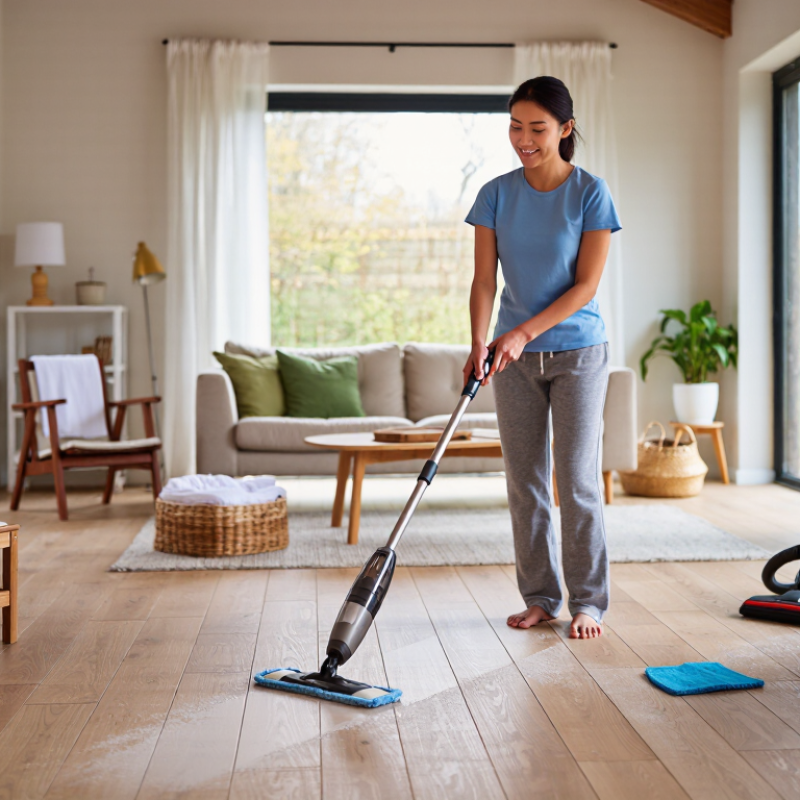
2026 Best Ways to Clean Floors Without Harmful Chemicals?

Understanding Safer, Chemical-Free Floor Cleaning

Safer floor cleaning starts with a simple correction: “chemical-free” is not literally possible. Water is a chemical, too. The practical goal is to reduce harsh fumes, residues, and unnecessary disinfectants.

In my experience, dry removal prevents most grime from becoming a wet stain. Vacuum or sweep with a soft head, then wipe with a well-wrung microfiber cloth. Too much water can swell wood seams and damage some finishes. That mistake is easy to make.

For sealed tile, vinyl, and finished wood, warm water often handles everyday dust and footprints. Use a small amount of mild, unscented soap when oily marks remain. Test the solution in a hidden corner first. The surface should dry quickly, not stay glossy or sticky.

Avoid mixing cleaning products, especially acidic and chlorine-based cleaners. Vapors can irritate the eyes and lungs. Open a window, keep children and pets away, and follow the flooring maker’s care instructions. This basic step is often skipped.

Keep it simple. Sweep busy areas daily, mop weekly, and clean spills immediately. Change rinse water when it turns gray. Otherwise, you may spread soil across the room.

For grout, a soft brush and warm water can lift loose dirt without aggressive scrubbing. I still use a stronger cleaner for stubborn spots, carefully and rarely, because natural does not always mean gentle. Check the label, protect your hands, and stop if the finish changes. Dull patches and raised edges are useful warnings.

Choosing Natural Cleaners for Different Floor Materials

Choosing Natural Cleaners for Different Floor Materials

Natural cleaning works best when the floor material guides the recipe. The U.S. Environmental Protection Agency reports that indoor pollutant levels can be two to five times higher than outdoor levels. Reducing strong fragrances may improve everyday comfort, although “natural” does not automatically mean harmless.

For sealed tile, mix warm water with a small amount of unscented castile soap. Rinse away residue, especially near kitchen grout. Avoid vinegar on marble, limestone, and other calcium-based stone. Its acidity can dull the surface.

For sealed wood, use a barely damp microfiber mop and dry it immediately. The National Wood Flooring Association advises limiting moisture because standing water can damage wood.

Laminate needs similar care, but manufacturers often warn against soaking seams. Vinyl tolerates more moisture, yet abrasive powders can leave fine scratches.

I still use too much water sometimes. That habit needs correcting.

Tips: Test every cleaner in a hidden corner. Use one teaspoon of soap per bucket, not a generous pour. For stone, choose pH-neutral cleaning solutions. Sweep first, because trapped grit acts like sandpaper. The U.S. Green Building Council also emphasizes low-emitting maintenance products in healthier building practices. Ventilate while cleaning, and keep children away from wet floors until fully dry.

Preparing Floors Before Applying Natural Cleaning Solutions

Before applying any natural cleaning solution, prepare the floor carefully. The surface type matters more than the recipe. In my cleaning experience, sealed wood, laminate, stone, vinyl, and ceramic can react differently to water and acids. Check the care guidance if you are unsure. Do not assume “natural” means harmless.

Remove chairs, mats, and loose objects from the area. Sweep slowly or vacuum with a soft attachment. Small grains of sand can scratch a finish when they move under a cloth. Pay attention to corners and beneath cabinets. A dry microfiber cloth often removes more dust than expected. Then wipe the floor with a nearly dry cloth and lukewarm water. Avoid soaking joints, seams, or unfinished wood.

Let the surface dry completely. It helps reveal grease, sticky spots, and old residue before treatment. Test the planned solution in a hidden area first. Vinegar, citrus juice, and other acidic ingredients may dull stone or weaken some finishes. Baking soda can also feel abrasive when rubbed too firmly. I once focused too much on a pleasant homemade mixture and overlooked the floor’s coating. That was a useful mistake. If the test patch changes color, texture, or shine, stop. Choose plain water or seek professional flooring advice.

Step-by-Step Methods for Cleaning Common Floor Types

2026 Best Ways to Clean Floors Without Harmful Chemicals

Step-by-Step Methods for Cleaning Common Floor Types

Start with dry cleaning. Remove shoes, crumbs, and grit using a vacuum with a soft floor head or a washable microfiber mop. Grit acts like sandpaper under moving feet. The U.S. Environmental Protection Agency reports that indoor pollutant levels can be two to five times higher than outdoor levels, and sometimes much higher. Dust control matters. Open a window when practical, but outdoor air is not always cleaner.

For sealed hardwood, wipe with a barely damp microfiber mop, then dry visible moisture. Use warm water and a small amount of unscented, mild soap only when needed. Never flood the boards. For laminate, use the same low-moisture method and avoid steam. For ceramic tile, loosen soil with warm water, then use diluted mild detergent. Rinse sticky areas with clean water. Stone floors need a pH-neutral cleaner; vinegar and lemon juice can etch marble and limestone. Do not guess.

Concrete and vinyl need different care. Sweep first, mop with warm water, and dry vinyl quickly to protect seams. On unsealed concrete, test a hidden area before using soap. The World Health Organization’s 2021 air-quality guidelines set annual PM2.5 at 5 micrograms per cubic meter, so reducing tracked dust is sensible, though floor cleaning alone cannot reach that target. I still make mistakes: too much water feels thorough, but often leaves residue and damage. Clean small sections, check the floor’s finish, and adjust.

2026 Best Ways to Clean Floors Without Harmful Chemicals

Approximate pH comparison of simple cleaning options. Distilled water is generally the least reactive choice, while acidic vinegar and alkaline baking-soda solutions require floor-specific caution. pH values can vary with concentration, water quality, and product formulation.

Floor type Low-chemical method Important caution
Sealed hardwood Vacuum or dust-mop first, then use a barely damp microfiber mop with clean water or a pH-neutral cleaner. Avoid standing water, steam, vinegar, and abrasive powders.
Laminate Remove dry soil, then wipe with a lightly damp microfiber mop. Do not soak seams or leave pooled water.
Vinyl Sweep or vacuum, followed by diluted pH-neutral cleaner or clean water. Avoid abrasive baking soda on delicate finishes.
Ceramic or porcelain tile Sweep first and mop with warm water or a pH-neutral solution. Acidic vinegar may weaken or discolor some grout and surface finishes.
Natural stone Use a soft microfiber mop with clean water or a stone-safe pH-neutral cleaner. Never use vinegar or other acidic solutions on marble, limestone, travertine, or similar stone.

Preventing Floor Damage and Maintaining Long-Term Cleanliness

2026 Best Ways to Clean Floors Without Harmful Chemicals?

Preventing Floor Damage and Maintaining Long-Term Cleanliness

Long-term cleanliness begins with preventing damage, not chasing a glossy finish. Use the gentlest method that removes the soil. Dry dust first. Fine grit can scratch resilient surfaces and dull finished wood. Then mop with a barely damp microfiber head and clean water. Excess water can enter seams, swell wood, or loosen adhesive. That small detail matters. Replace rinse water when it looks cloudy, because dirty water simply spreads residue. Vacuum settings should suit the floor, not convenience. Hard brush rolls can mark soft finishes.

Choose cleaners by surface chemistry. Wood usually needs a pH-neutral, low-moisture approach, while natural stone can react badly to acidic liquids. Vinegar is not a universal solution. On some stone, it slowly etches the surface. For tile grout, gentle detergent and brushing may work, but aggressive scrubbing can remove the surface layer. Read the flooring care sheet when available. If instructions are missing, test a hidden corner and wait until it dries. Photograph the area before testing. For historic, sealed, or delicate floors, a qualified flooring professional can identify the finish before treatment.

Daily habits protect cleanliness longer than occasional deep cleaning. Place absorbent mats at entrances and remove grit near doors. Wipe spills promptly, especially oily or colored liquids. Do not let them dry. Use felt pads under furniture, lift heavy items, and keep pet nails trimmed. These steps reduce scratches that trap soil. Still, home routines are not perfect. A mop may be too wet, or a cleaner may leave a dull film. When the floor feels sticky after drying, use less product and rinse the tool more often.

FAQS

Is completely chemical-free floor cleaning possible?

Not literally. Water is a chemical, too. The practical aim is reducing harsh fumes, residue, and unnecessary disinfectants.

What should I do before mopping?

Remove chairs, mats, and loose objects. Sweep or vacuum gently first. Sand grains can scratch finishes under a cloth.

How much water should I use?

Use a nearly dry or barely damp microfiber cloth. Excess water can swell wood seams or loosen adhesive.Keep it simple.

Can warm water clean everyday floor dirt?

Warm water often removes dust and footprints from sealed tile, vinyl, and finished wood. Add a little mild, unscented soap for oily marks.

Is vinegar safe for every floor?

No. Acidic liquids may dull stone or weaken some finishes. Test a hidden area before applying any homemade solution.Test first.

How often should floors be cleaned?

Sweep busy areas daily, mop weekly, and wipe spills immediately. These habits usually prevent heavier cleaning later.

Why should I change dirty rinse water?

Gray water contains loosened soil. Reusing it can spread residue across the room instead of removing it.

How can I reduce scratches and long-term damage?

Use soft vacuum settings, entrance mats, and furniture pads. Lift heavy items instead of dragging them. Trim pet nails when needed.

What should I do if the floor looks dull or feels sticky?

Stop adding cleaner. Use less product and rinse the cloth more often. A dull patch may signal finish damage.I have made that mistake.

When should I seek professional flooring advice?

Ask for help with historic, delicate, sealed, or unfamiliar floors. A professional can identify the finish before treatment.

Conclusion

This guide explains how to clean floors without harmful chemicals by using simple, low-impact methods that protect household health and floor surfaces. It introduces safer alternatives such as warm water, diluted vinegar where suitable, mild soap, and baking soda for specific cleaning needs. Because each material reacts differently, the guide discusses practical choices for wood, tile, stone, laminate, and vinyl floors, while noting that sensitive surfaces may require gentler solutions and careful testing.

Effective cleaning also begins with preparation. Removing dust, grit, and loose debris helps prevent scratches and allows natural solutions to work more efficiently. Step-by-step instructions cover mopping, spot treatment, stain removal, and drying for common floor types. Finally, the guide emphasizes preventing damage through proper dilution, limited moisture, soft tools, prompt spill cleanup, regular sweeping, and occasional maintenance. These habits support long-term cleanliness while preserving the appearance and durability of floors without relying on harsh chemical products.

Ethan

Ethan

Ethan is a seasoned marketing professional with a deep expertise in our company's innovative product line. With a passion for sharing knowledge and insights, he takes the lead in regularly updating our corporate blog, where he explores industry trends, product features, and effective marketing......